

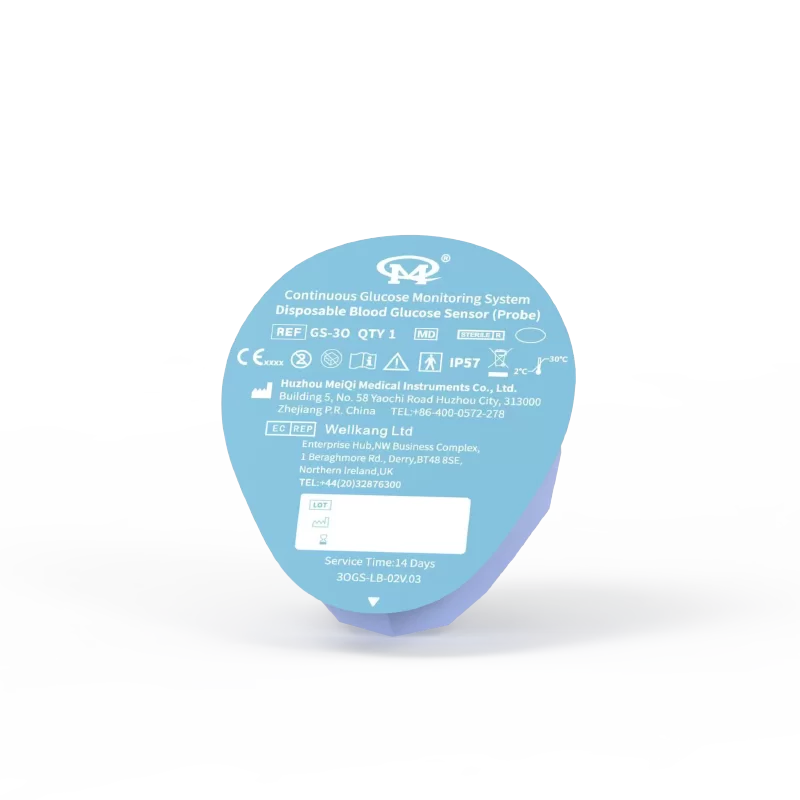
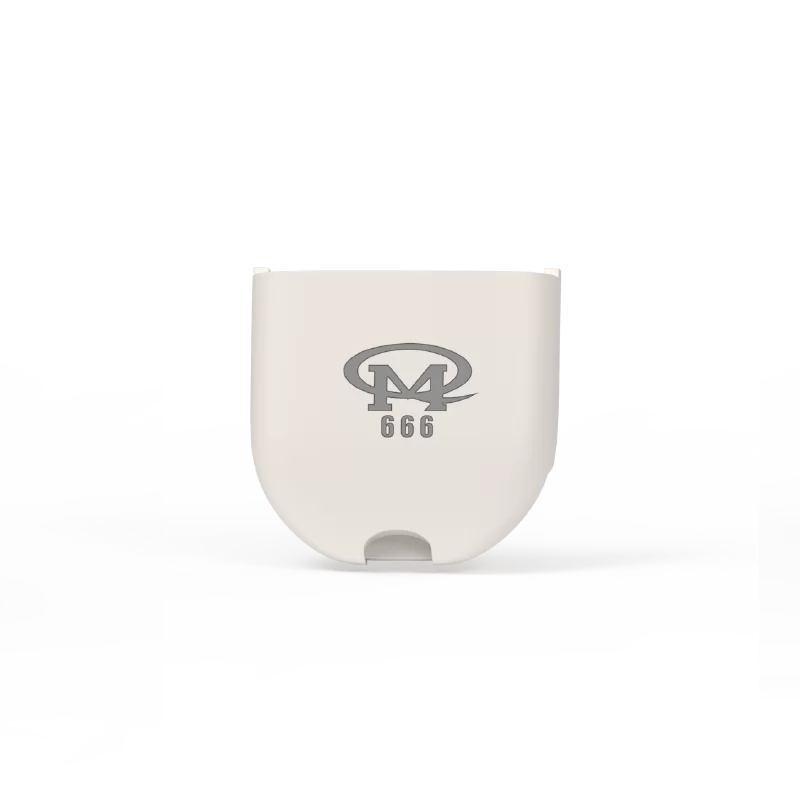
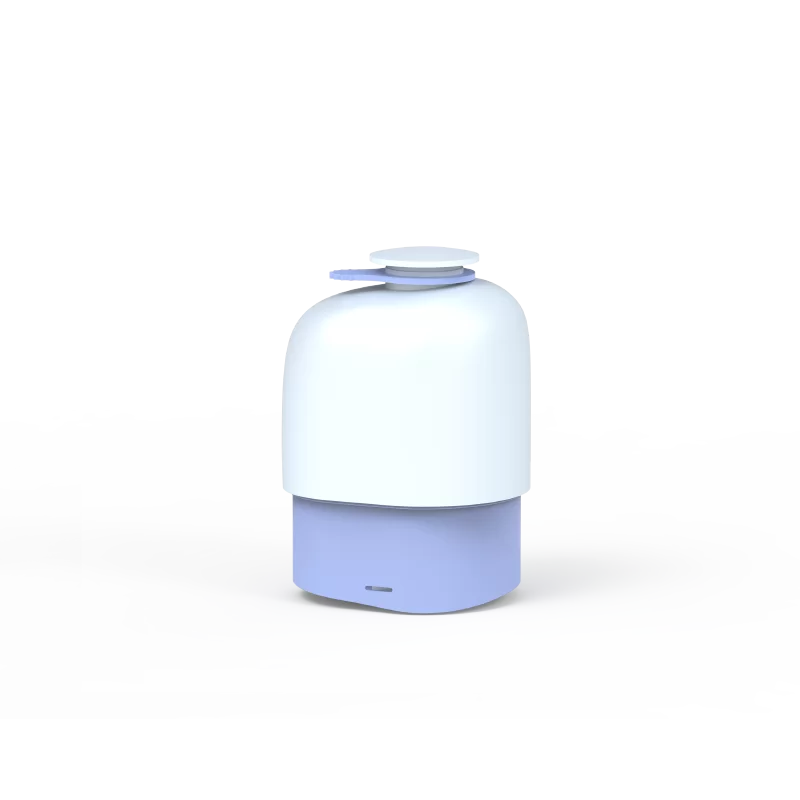
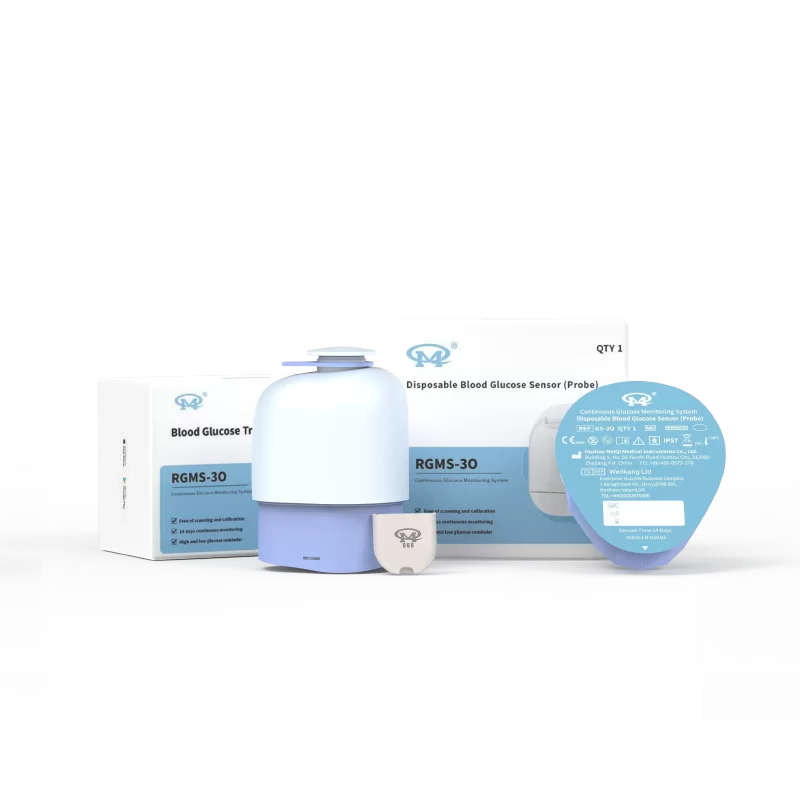
Advanced cgm glucose monitoring system Solutions for Uganda

Advanced cgm glucose monitoring system Solutions for Uganda

Download PDF
Contact Us

Advanced cgm glucose monitoring system Solutions for Uganda

Revolutionizing diabetes management in East Africa with precision, accessibility, and real-time biological data tracking.

Advanced cgm glucose monitoring system Solutions for Uganda

Empowering Ugandan healthcare providers and patients with state-of-the-art glucose tracking technology to combat the rising prevalence of metabolic disorders in the region.

Current State of Diabetes Monitoring in Uganda

Analyzing the intersection of medical infrastructure and diabetic care in the Pearl of Africa.

In Uganda, diabetes management has traditionally relied on intermittent finger-stick testing. However, the high humidity and tropical climate of regions like Lake Victoria basin often complicate the storage of chemical test strips, leading to accuracy drift and increased waste in rural clinics.

The adoption of a continuous glucose monitor is gaining momentum in urban centers like Kampala, as patients seek to avoid the pain of repeated lancing. Yet, the economic disparity between urban and rural areas creates a significant gap in access to high-end diagnostic equipment.

Local healthcare systems are currently transitioning toward digital health integration. The demand for a glucose monitor patch has risen because these devices offer a discreet, long-term monitoring solution that aligns with the mobile-first connectivity trend prevalent across Uganda's youth and working population.

Evolution of Glucose Monitoring Technology

From manual calibration to seamless biological synchronization.

Market Development History

Prior to 2010, glucose monitoring in Uganda was almost exclusively based on glucometers requiring manual blood sampling. This era was characterized by high "patient drop-off" rates due to the discomfort and the cost of disposable strips.

Between 2010 and 2020, the introduction of first-generation continous glucose monitor systems began appearing in specialized private hospitals. These devices reduced the need for frequent pricking but required complex calibration and expensive professional installation.

From 2021 onwards, the shift toward factory-calibrated sensors and the emergence of the non invasive glucose monitor concept have started to redefine the market, focusing on user-autonomy and integration with smartphone applications via Bluetooth.

Future Development Trends

Integration with AI Diagnostics

Predictive algorithms will soon alert Ugandan patients to hypoglycemic events before they occur, utilizing local diet and activity data to refine alerts.

Ultra-Low Power Sensing

Development of sensors that can operate for longer periods without replacement, reducing the logistical burden of medical supply chains in remote Ugandan districts.

Non-Invasive Optical Sensing

The transition toward fully non invasive glucose monitor technology using infrared spectroscopy to eliminate skin penetration entirely.

Future Trends and Strategic Outlook

Mapping the trajectory of medical device manufacturing for the East African market.

Telemedicine Synergy
Linking CGM data directly to cloud platforms for remote monitoring by doctors in Kampala for patients in rural villages.
Eco-Friendly Sensors
Developing biodegradable components for the glucose monitor patch to reduce medical plastic waste in Uganda.
Hybrid Powering
Implementing kinetic or solar-assisted power for receivers to mitigate electricity instability in remote areas.
Cost-Effective Scaling
Reducing the cost of continuous glucose monitor hardware through streamlined manufacturing.

Industry Outlook

Based on Google Search trends for "diabetes management Africa," there is a surging interest in "painless monitoring." This suggests that the Ugandan market is primed for a transition from invasive to minimally invasive systems over the next 3-5 years.

The convergence of 5G expansion in East Africa and the miniaturization of sensors will likely lead to a widespread adoption of autonomous glucose regulation systems, where CGMs communicate directly with insulin pumps.

Localized Application Scenarios in Uganda

Practical implementation of CGM technology across diverse Ugandan environments.

1. Urban Professional Management in Kampala

Busy professionals in the capital use the glucose monitor patch to track levels during high-stress workdays without interrupting meetings for finger-pricks.

2. Remote Rural Clinic Support

Healthcare workers in Northern Uganda utilize a continuous glucose monitor to gather a week's worth of data from a patient during a single visit, optimizing medication dosage.

3. Pediatric Care in Specialized Hospitals

Children with Type 1 diabetes in Ugandan clinics benefit from the painless nature of the cgm glucose monitoring system, reducing medical anxiety and improving compliance.

4. Agricultural Field Workers' Health

Farmers working in the heat of the sun use durable, sweat-resistant sensors to ensure their glucose remains stable despite intense physical labor and dehydration.

5. Gestational Diabetes Screening

Expectant mothers in regional health centers use short-term CGM monitoring to manage pregnancy-induced diabetes, ensuring healthier birth outcomes.

Brand Story

Global Development Journey of Huzhou Xinmei Medical Equipment Co., Ltd.

Foundational Innovation

Established with a vision to democratize medical diagnostics, we began by solving the precision gap in glucose sensing hardware.

Precision Engineering

We mastered the art of biosensor integration, creating the first generation of stable, long-wear patches for the global market.

Global Expansion

Expanding into emerging markets, we tailored our devices to withstand extreme climates, including the humid environments of East Africa.

Digital Transformation

Integrating IoT and AI, we shifted from providing just a device to providing a comprehensive data-driven health ecosystem.

Future Commitment

Our mission remains clear: to eliminate the pain of diabetes monitoring for every patient, regardless of their geographic location.

Common Questions About CGM in Uganda

Expert answers to the most frequent concerns from local patients and providers.

How does a glucose monitor patch perform in Uganda's humid weather?

Our patches use medical-grade, breathable adhesives specifically tested for high-humidity environments to ensure the sensor remains secure on the skin during perspiration.

Is a continous glucose monitor more expensive than traditional strips?

While the initial sensor cost is higher, the reduction in daily disposable strips and the prevention of emergency hospitalizations often make CGM more cost-effective long-term.

Can I use a non invasive glucose monitor without any skin penetration?

Non-invasive technology is an evolving field; current high-end models are moving toward optical sensing, though most standard CGMs still use a tiny interstitial filament.

How often do I need to replace the cgm glucose monitoring system sensor?

Depending on the specific model, sensors typically last between 10 to 14 days, providing continuous data without the need for daily replacements.

Do continuous glucose monitor apps work with basic smartphones in Uganda?

Yes, our software is optimized for a wide range of Android and iOS versions to ensure accessibility across various mobile device tiers available in the region.

Where can I get training for a continuous glucose monitor in Kampala?

We partner with leading endocrinology clinics and hospitals in Kampala to provide certified training for both healthcare providers and end-users.

Consult Our Medical Experts

Ready to upgrade your diabetes care infrastructure in Uganda? Contact us for bulk procurement and technical support.

Contact Us Now

If you are interested in our products, you can choose to leave your information here, and we will be in touch with you shortly.