


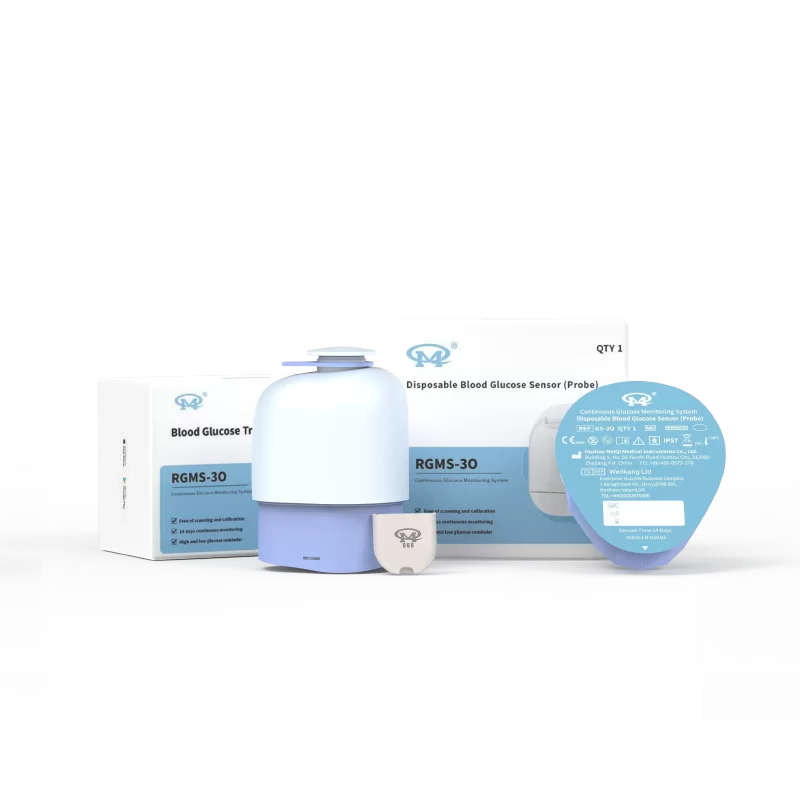
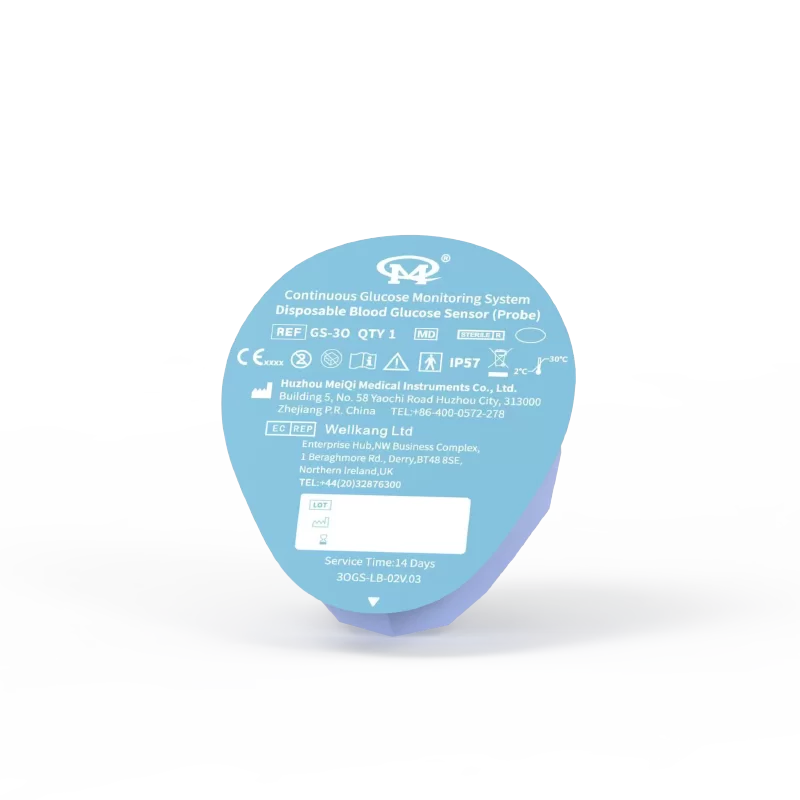
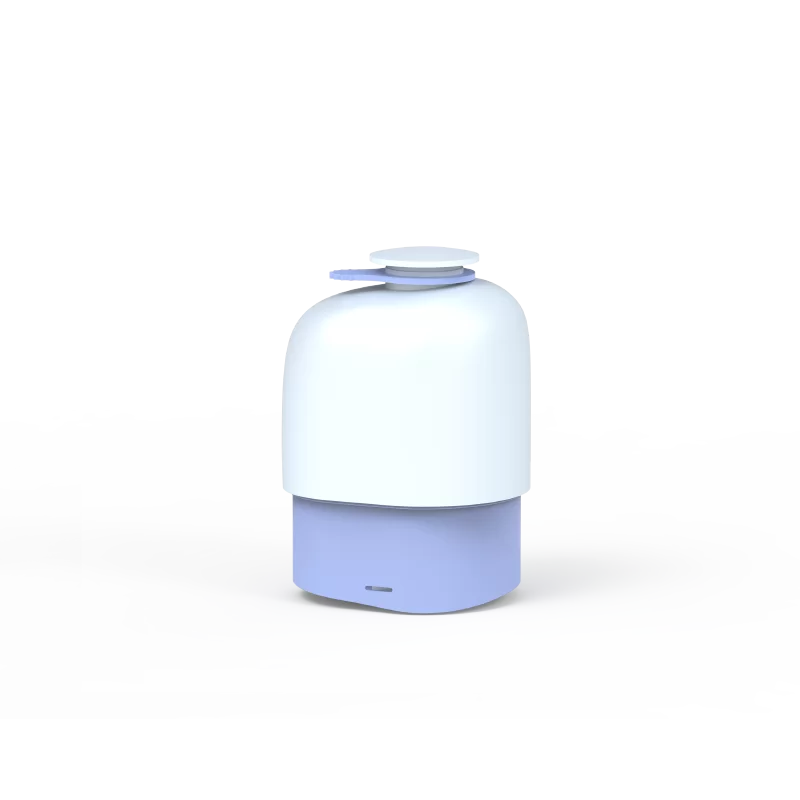
Japan faces a unique challenge with an aging population and a high prevalence of Type 2 diabetes, requiring highly precise and reliable monitoring tools. The local healthcare ecosystem emphasizes meticulous data accuracy and minimal patient discomfort, driving a strong demand for advanced glucose monitor patch technology that integrates seamlessly into a disciplined lifestyle.
Economically, Japan's medical device market is characterized by rigorous PMDA regulations and a preference for high-durability instruments. There is a significant shift toward digitized health records, where data from a continous glucose monitor can be directly synced with clinic systems, reducing the burden on healthcare providers in dense urban areas like Tokyo and Osaka.
Furthermore, the Japanese climate, with high humidity in summer, necessitates medical-grade adhesives and water-resistant housings for wearable sensors. This environmental factor makes the development of a robust, skin-friendly cgm glucose monitoring system critical for maintaining long-term wearer compliance and sensor stability.


