


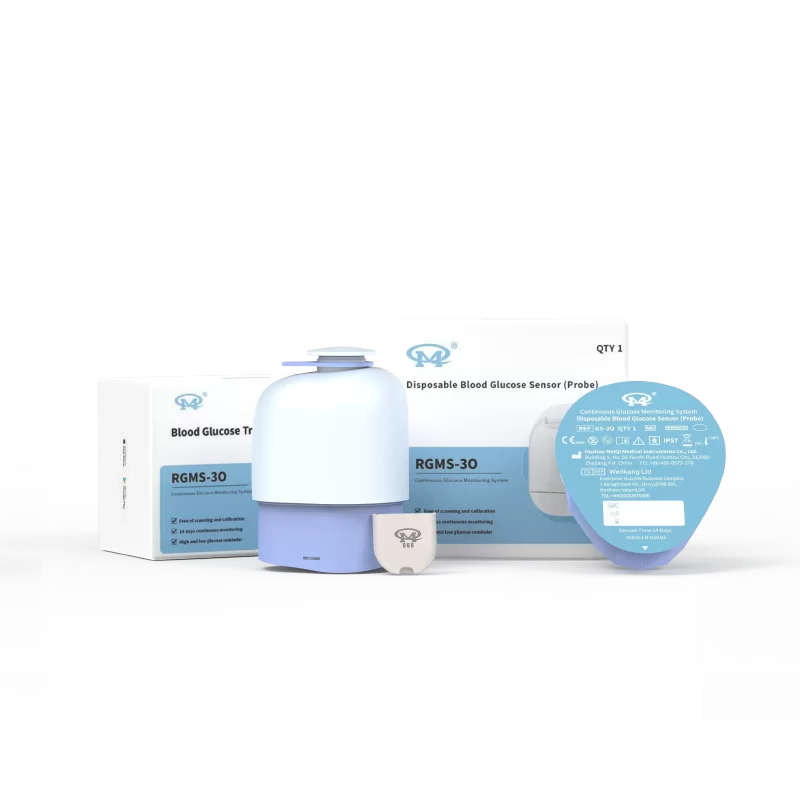
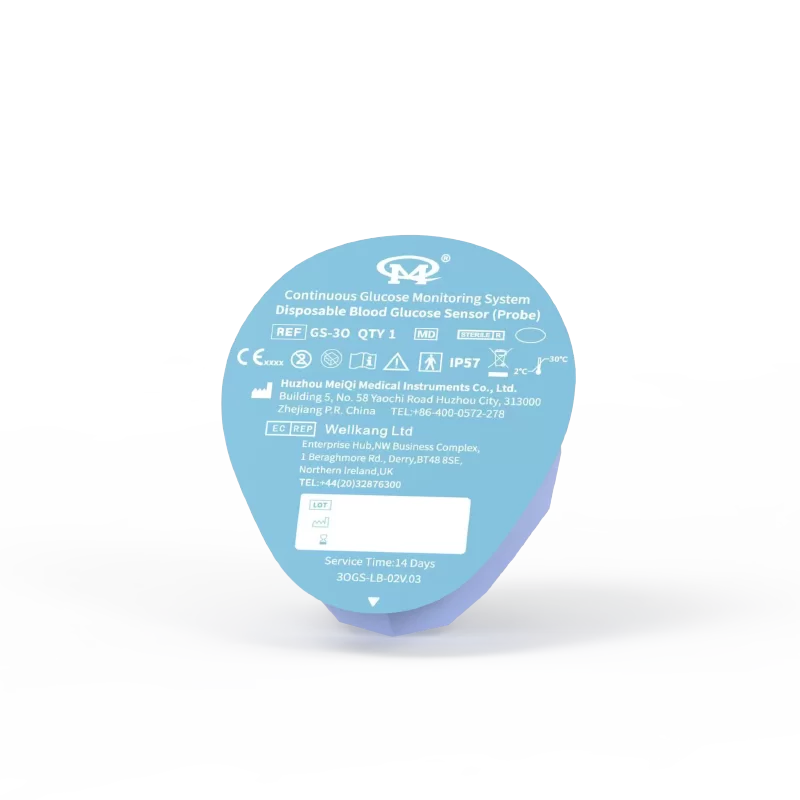
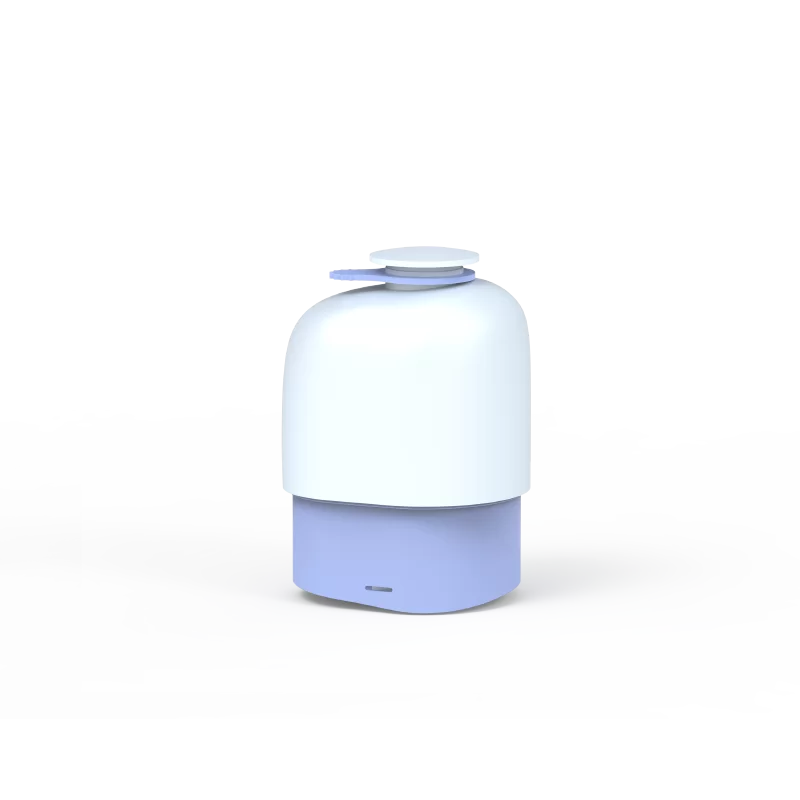
In Iraq, the prevalence of diabetes has seen a significant uptick, exacerbated by dietary shifts and an aging population. Traditional finger-stick methods remain the norm, yet there is a growing demand for a continuous glucose monitor to reduce the burden of frequent painful sampling.
The extreme climatic conditions in Iraq, characterized by intense summer heat, pose a unique challenge for medical device stability. Ensuring that a glucose monitor patch can maintain adhesive integrity and sensor accuracy under high temperatures is paramount for local adoption.
Furthermore, the Iraqi healthcare infrastructure is currently transitioning from centralized hospital care to home-based monitoring. This shift creates a massive opportunity for the implementation of a continous glucose monitor system that allows remote physician oversight via mobile applications.


