
The transition from intermittent finger-stick testing to the adoption of cgm continuous glucose monitoring Products represents a fundamental shift in metabolic health management. By providing a real-time stream of interstitial glucose data, these systems allow patients and clinicians to visualize glycemic variability and identify nocturnal hypoglycemia that traditional methods often miss.
The primary challenge in this ecosystem is not just the sensing technology, but the precision of the administration process. Inaccurate sensor placement or errors during the initiation of therapeutic routines can lead to skewed data and increased patient anxiety, highlighting the need for standardized, error-proof medical accessories.
This analysis explores the integration of precision administration tools with modern monitoring systems. For those seeking professional-grade support in these routines, the cgm continuous glucose monitoring Products ecosystem benefits significantly from the inclusion of anti-mistake aids to ensure clinical accuracy.


Continuous monitoring relies on glucose oxidase sensors implanted in the subcutaneous tissue. These sensors measure the glucose concentration in the interstitial fluid, which then correlates to blood glucose levels via a calibrated lag time.
The stability of this measurement is heavily dependent on the physical placement of the sensor. Any mechanical misalignment or improper insertion depth can introduce noise into the signal, necessitating the use of precision-engineered aids to maintain consistency.
For an administration tool to be effective within the glucose monitoring workflow, it must prioritize biocompatibility and dimensional stability. High-durability, healthcare-grade materials are essential to prevent material fatigue during the reusable lifecycle of the device.
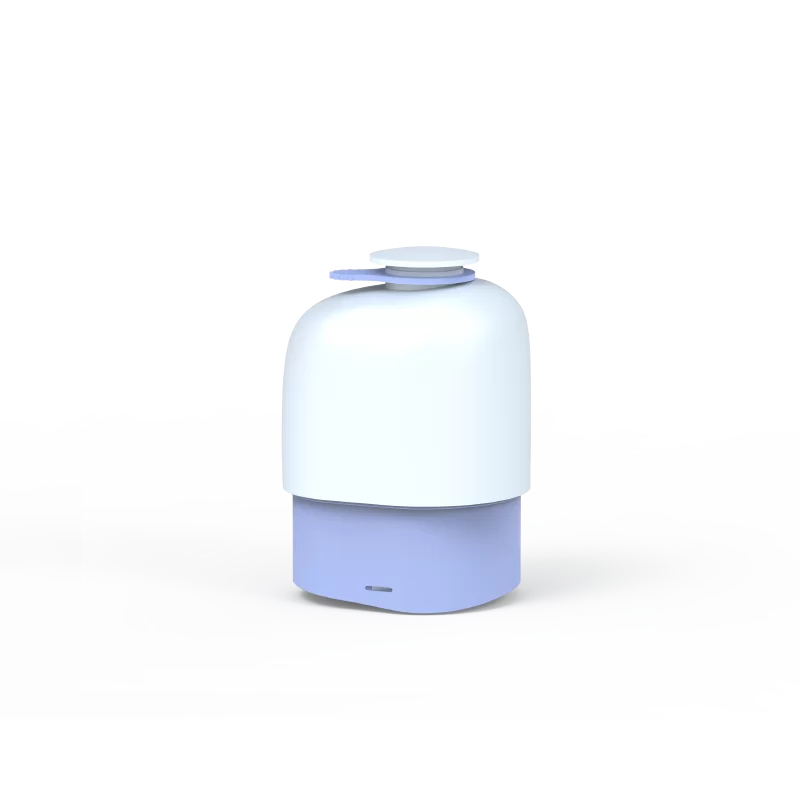
Dimensional precision is another critical factor. For instance, a device with specific dimensions—such as 49mm x 57mm x 81mm—is optimized for handheld stability, reducing the tremor-induced errors that often occur during the insertion of needles or sensors.
Beyond physical dimensions, the shelf life of the aid must be guaranteed. A certified 3-year lifespan ensures that the structural integrity remains intact, providing a cost-effective alternative to disposable aids without compromising patient safety.
User error is the primary cause of failed sensor applications in home-care environments. This often manifests as incorrect needle positioning or inconsistent depth, which directly impacts the accuracy of the resulting glucose data.
This engineering approach is particularly vital for elderly patients or those with visual impairments. An intuitive, ergonomic form factor allows these users to operate the device with confidence, thereby improving overall adherence to daily health treatment plans.
Evaluating the efficacy of administration aids requires a look at normalized performance metrics. When comparing standard disposable aids to precision-engineered reusable tools, the difference in operational safety and patient compliance becomes evident.
The following assessment uses a normalized engineering score to represent the relative impact of different tool configurations on user success rates and safety.
In clinical environments such as endocrinology clinics, the use of professional-grade needle aids ensures a standardized patient experience. By reducing the variability in how sensors are applied, clinicians can trust that the resulting data is a reflection of the patient's physiology rather than a result of poor installation.
In home-care settings, the focus shifts toward portability and ease of use. Tools that combine a compact form factor with a high level of operational safety allow patients to maintain their health regimens while traveling, reducing the stress and risk associated with self-administration in non-clinical environments.
The industry is moving toward a fully integrated "closed-loop" system where CGM data informs insulin pumps in real-time. As these systems become more complex, the requirement for precision in the initial sensor placement becomes even more critical to avoid systemic errors.
We anticipate a shift toward "smart" administration aids that may incorporate haptic feedback to notify the user when the sensor is perfectly positioned. This will further reduce the reliance on manual dexterity and visual confirmation.
Furthermore, the demand for sustainable, reusable medical devices is increasing. Moving away from disposable plastic aids toward high-grade, long-term reusable tools aligns with global healthcare trends toward reducing medical waste without compromising sterility or safety.
When selecting administration tools to accompany glucose monitoring systems, procurement officers and clinicians must evaluate the trade-off between initial cost and long-term patient compliance.
A reusable tool with an anti-mistake design typically offers a lower total cost of ownership over a 3-year period compared to the continuous purchase of disposable aids.
The following matrix provides a framework for comparing different tool configurations based on clinical requirements and user profiles.
| Configuration Type | Operational Safety | Service Life | Primary Use Case |
|---|---|---|---|
| Standard Disposable | Moderate Risk | Single Use | Short-term monitoring |
| Basic Manual Aid | Moderate Risk | 1-2 Years | General clinics |
| Ergonomic Reusable | Enhanced | 3 Years | Home-care management |
| Anti-Mistake Precision | High (Fail-safe) | 3 Years | Elderly/Low-dexterity |
| Clinical-Grade Pro | Very High | 3+ Years | Endocrinology centers |
| Industry Baseline | Variable | Disposable | Generic health screenings |
The anti-mistake design ensures that the needle or sensor is inserted at the precise angle and depth required by the manufacturer. By preventing skewed insertions, it minimizes the risk of the sensor being placed too superficially or too deeply in the subcutaneous tissue, which otherwise leads to signal noise and inaccurate glucose readings.
The AT-3O is engineered to be compatible with standard medical needles commonly used in glucose management. However, because different manufacturers use varying gauge sizes, users should consult the technical manual to verify specific compatibility for their particular sensor or needle type.
The 3-year lifespan is based on the material integrity of the healthcare-grade polymers used in construction. This period refers to the guaranteed structural reliability and mechanical precision of the tool, provided it is stored under recommended medical conditions and cleaned according to protocol.
To maintain strict hygiene standards and prolong the device's lifespan, the exterior surfaces should be wiped with a medical-grade alcohol swab after each use. This prevents the buildup of contaminants and ensures that the tool remains safe for long-term application in home-care settings.
Elderly patients often suffer from reduced grip strength or limited visual acuity. An ergonomic design reduces the fine motor skill requirement, allowing the user to stabilize the tool easily. This reduces the risk of accidental slips during administration and increases the patient's independence in managing their condition.
These aids are most effective in endocrinology clinics, long-term care facilities, and home-care environments. They are particularly valuable where high volumes of patients require frequent injections or sensor changes, as they standardize the process across different caregivers and patient dexterity levels.
The successful implementation of cgm continuous glucose monitoring Products depends not only on the sensor's sensitivity but on the mechanical precision of its application. By integrating anti-mistake aids, the industry can significantly reduce user-induced errors, thereby improving the reliability of the glycemic data collected.
Ultimately, the shift toward reusable, high-precision tools like those found in the cgm continuous glucose monitoring Products support ecosystem reflects a broader trend toward patient-centric, sustainable, and error-proof medical engineering.