


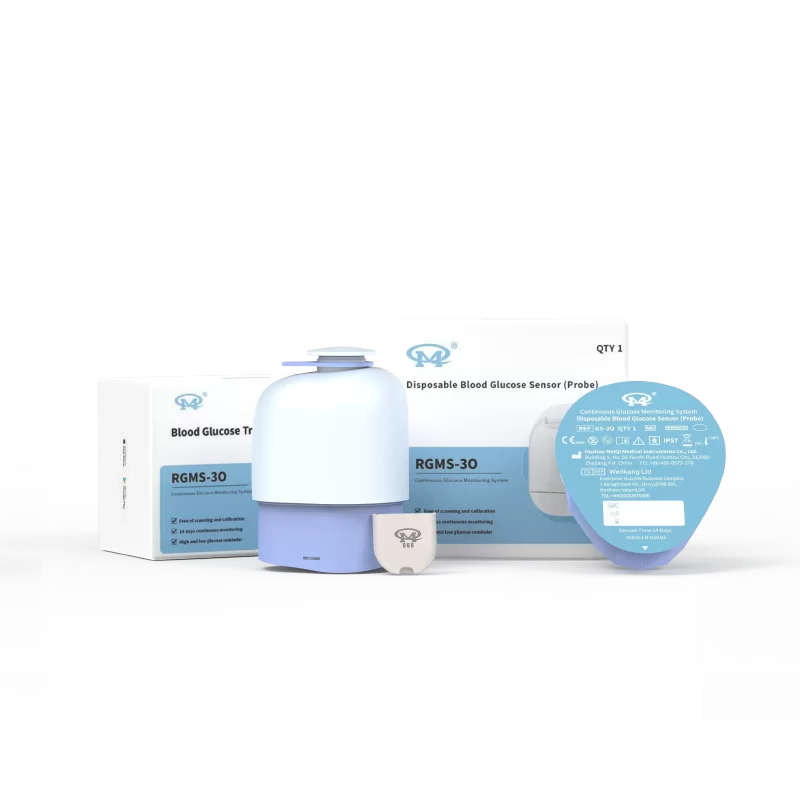
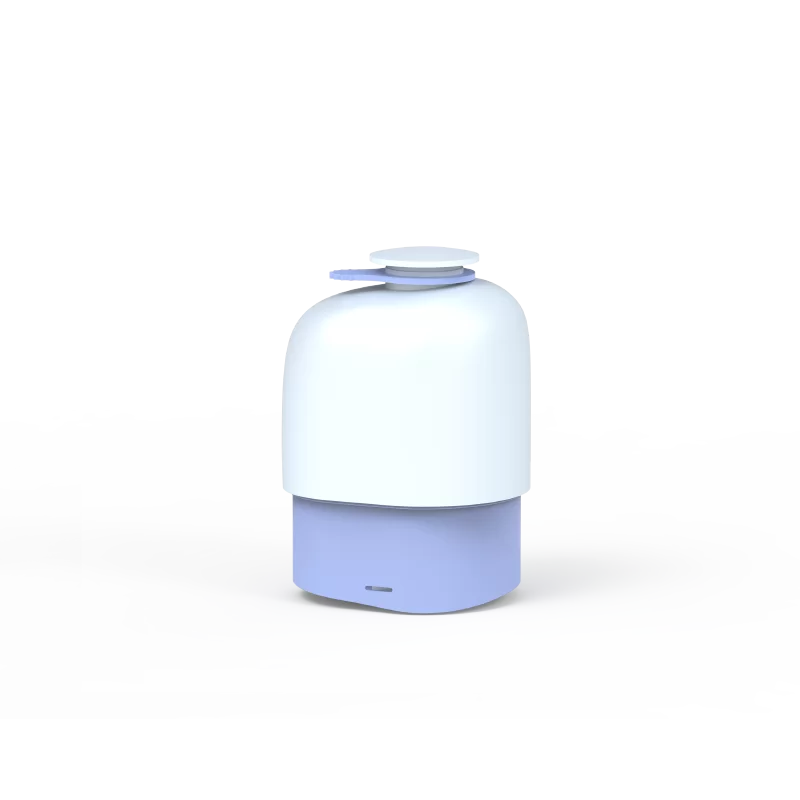
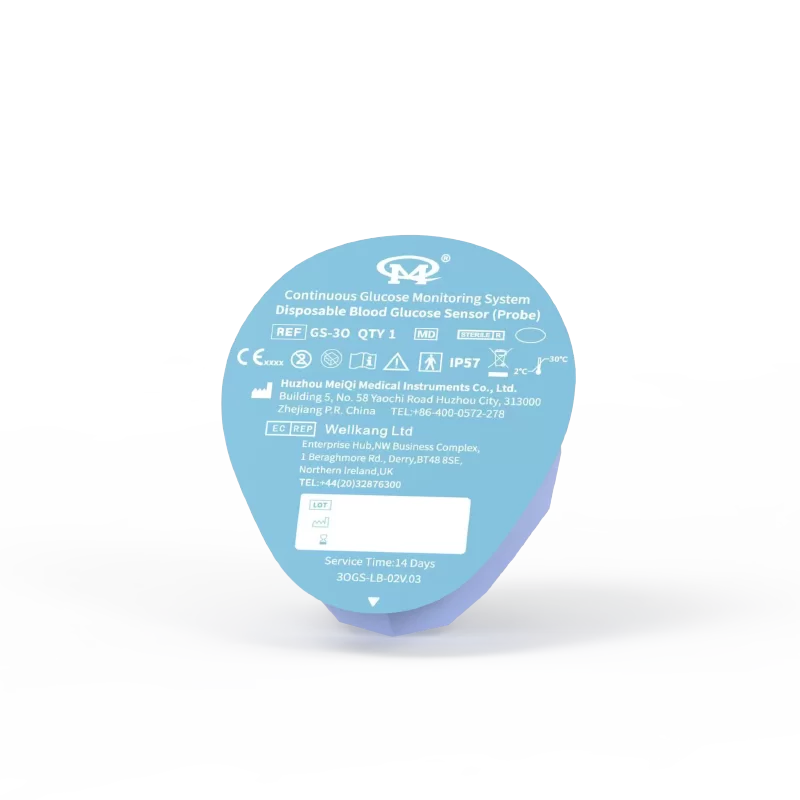
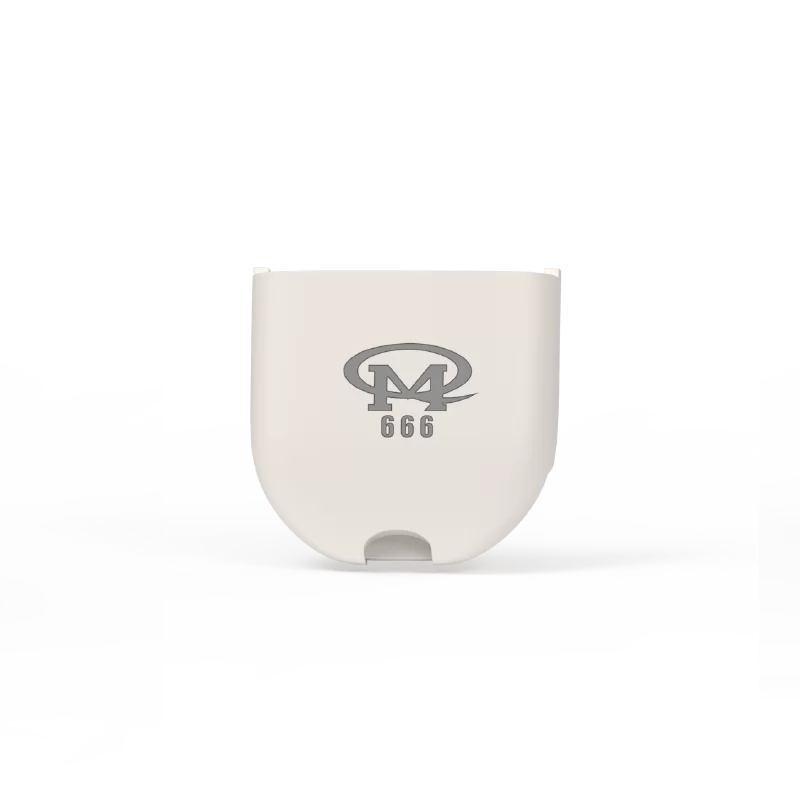
In Paraguay, the prevalence of diabetes continues to rise, placing a significant strain on the public health infrastructure. The local environment, characterized by high humidity and intense heat, often complicates the storage and stability of traditional test strips, creating a critical demand for a more resilient continous glucose monitor.
Access to specialized endocrinology care is often concentrated in urban centers like Asunción. This geographical disparity makes remote monitoring essential. Patients in rural regions require a glucose monitor patch that can transmit data seamlessly to healthcare providers, reducing the need for frequent, arduous travel.
Economic fluctuations in the region have led to a search for cost-effective yet high-performance diagnostic tools. The shift toward a continuous glucose monitor is seen as a long-term investment in preventing expensive complications such as neuropathy and retinopathy, which are prevalent in the local population.


