

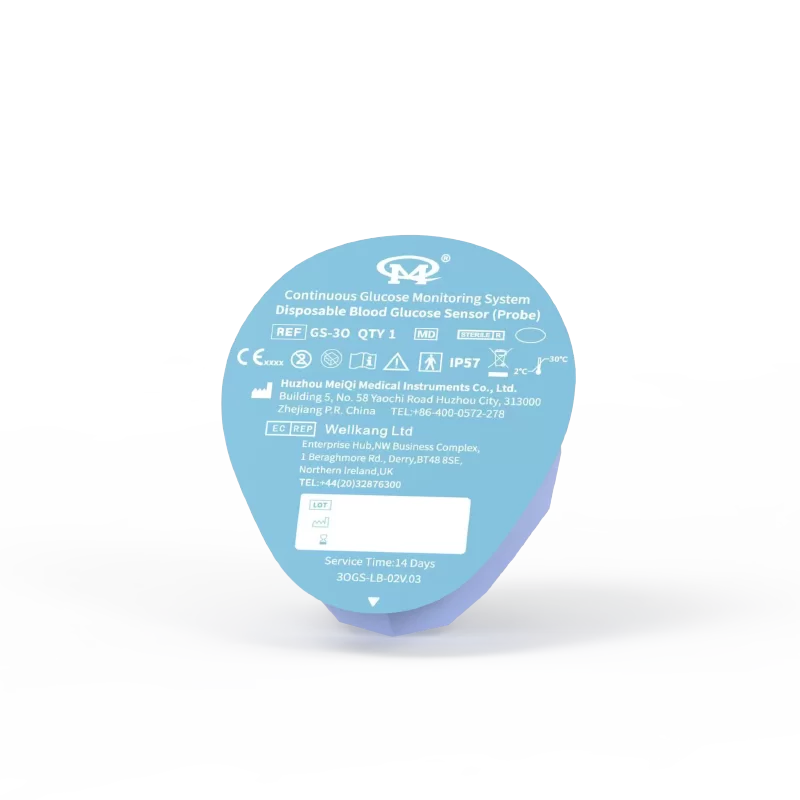
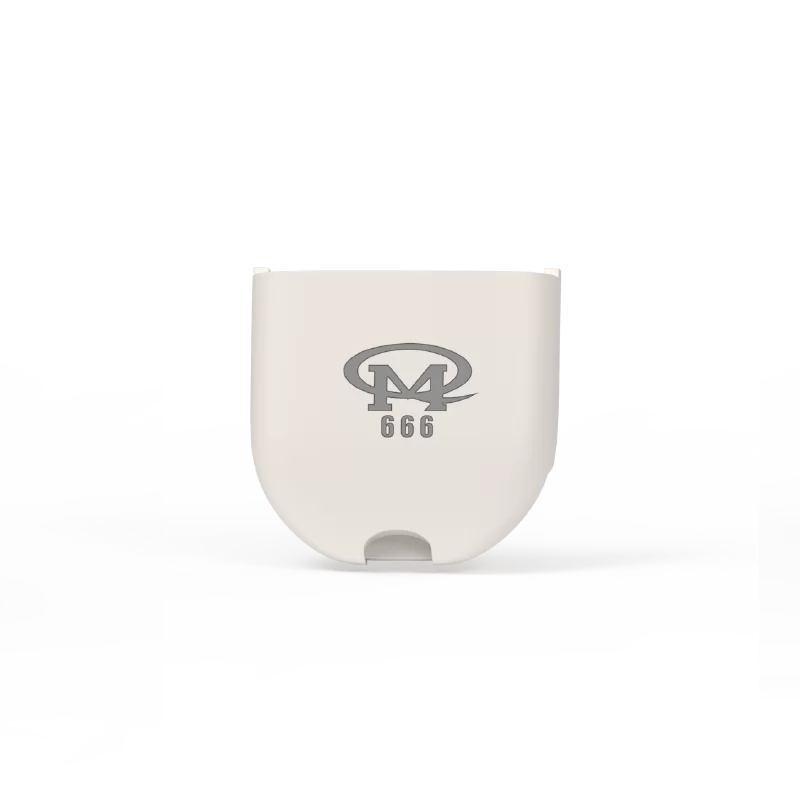
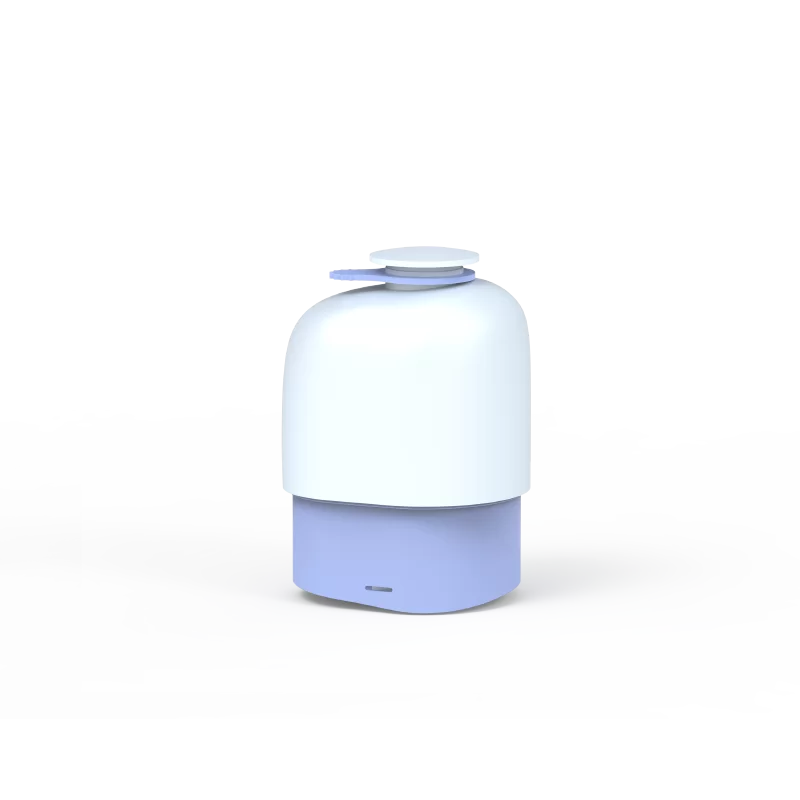
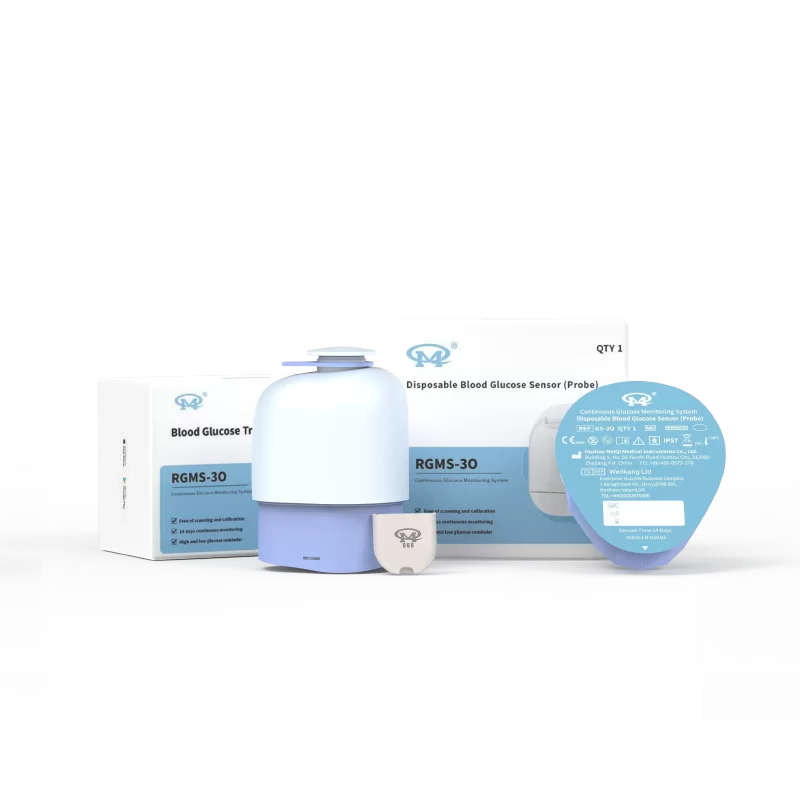
Advanced cgm glucose monitoring system Solutions for Chile

Advanced cgm glucose monitoring system Solutions for Chile

Download PDF
Contact Us

Advanced cgm glucose monitoring system Solutions for Chile

Precision diagnostic monitoring tailored for the Chilean healthcare landscape, integrating seamless data tracking and non-invasive technology.

Advanced cgm glucose monitoring system Solutions for Chile

Empowering diabetic care across Chile with high-precision monitoring tools that eliminate the need for frequent finger-pricking and improve patient outcomes.

The Landscape of Glucose Monitoring in Chile

Analyzing the integration of medical diagnostics within South America's most stable economy.

Chile faces a growing challenge with metabolic syndromes, where the demand for a continous glucose monitor has spiked due to increasing urban obesity rates in Santiago and Valparaíso. The geographical diversity, from the arid north to the humid south, requires medical devices that remain stable across varying humidity levels.

Currently, the Chilean healthcare system is transitioning toward digital health integration. The adoption of the glucose monitor patch is accelerating as patients seek discretion and comfort, moving away from traditional cumbersome meters toward wearable technology that fits an active Andean lifestyle.

Economic factors in Chile, including a robust private insurance sector and a strong public health mandate (FONASA), are driving the procurement of high-end continuous glucose monitor systems that offer real-time cloud synchronization for remote physician monitoring.

Evolution of Diagnostic Monitoring in Chile

From invasive manual checks to autonomous biometric sensing.

Market Development History

Until 2010, the Chilean market relied almost exclusively on traditional BGM (Blood Glucose Monitoring), characterized by frequent painful pricks and delayed data analysis, creating a significant gap in nocturnal hypoglycemia detection.

Between 2012 and 2020, the introduction of first-generation CGM devices began to penetrate the private clinics in Chile. This era marked the shift toward interstitial fluid sensing, allowing for trend arrows and alerts that transformed patient safety.

From 2021 to the present, the focus has shifted toward the non invasive glucose monitor philosophy, emphasizing patient compliance through the removal of needles and the integration of AI-driven glycemic forecasting.

Future Development Trends

AI-Powered Predictive Analytics

The next 3 years will see the integration of machine learning that predicts glucose crashes before they happen, specifically calibrated for the Chilean diet and lifestyle.

Closed-Loop Integration

A surge in "Artificial Pancreas" systems where the monitor communicates directly with insulin pumps to automate glucose regulation without human intervention.

Ultra-Miniaturization

The transition toward invisible sensors that last over 30 days, reducing medical waste in Chile's sensitive ecological zones.

Future Trends & Strategic Outlook

Mapping the trajectory of glucose sensing technology in the Southern Cone.

Telemedicine Synergy
Integration with Chile's national digital health platforms for real-time physician intervention.
Non-Invasive Mastery
Advancing optical and electromagnetic sensing to remove the skin barrier entirely.
Eco-Friendly Hardware
Developing biodegradable sensor substrates to minimize medical waste in Chile's nature reserves.
Cross-Platform Data
Universal API access allowing patients to switch devices without losing their historical glucose data.

Industry Outlook

Based on Google search trends in Chile, there is a sharp increase in queries for "diabetis control" and "sensores de glucosa," indicating a shift toward proactive self-management rather than reactive clinic visits.

The convergence of 5G deployment in urban Chile and low-power Bluetooth (BLE) technology will make the continuous glucose monitor a standard of care, integrated into smartwatches and fitness ecosystems.

Localized Applications in Chile

Real-world deployment of monitoring technology across diverse Chilean environments.

1. Urban Santiago Corporate Wellness

Implementing the glucose monitor patch for high-stress executives in Santiago to monitor glycemic spikes related to stress and sedimentary office work.

2. Atacama Remote Health Monitoring

Utilizing long-range data transmission for patients in remote mining communities in the Atacama region, ensuring specialists in the capital can monitor glucose levels remotely.

3. Valparaíso Active Aging Programs

Integrating CGM systems into elderly care homes in Valparaíso to prevent nocturnal hypoglycemia in geriatric patients with reduced sensory perception.

4. Patagonia Outdoor Adventure Safety

Providing rugged, water-resistant continuous glucose monitor devices for athletes and tourists trekking in Patagonia's extreme weather.

5. Public Health Pilot in Biobío

Collaborating with regional clinics in Biobío to use data from cgm glucose monitoring system to optimize insulin dosage for low-income populations.

Brand Story

Global Development Journey of Huzhou Xinmei Medical Equipment Co., Ltd.

Foundational Innovation

Established with a mission to dismantle the pain associated with diabetes, focusing on precision engineering for medical diagnostic tools.

Technological Breakthrough

Developing patented sensor coatings that increased the longevity and accuracy of interstitial glucose sensing by 40%.

Global Expansion

Entering the South American market, specifically Chile, by adapting hardware to local regulatory standards and climatic needs.

Digital Transformation

Launching the cloud-ecosystem that allows seamless data sharing between the wearable sensor and the healthcare provider.

Future Vision

Striving toward a world of "zero-pain" diagnostics through the perfection of non-invasive monitoring systems for all.

Complete Product Portfolio for the Chilean Market

Comprehensive diagnostic solutions ranging from entry-level patches to professional-grade monitoring systems.

Common Questions in Chile

Addressing the most frequent concerns of Chilean patients and healthcare providers.

How does a non invasive glucose monitor work compared to traditional ones?

Unlike traditional meters, a non invasive glucose monitor uses advanced optical or electromagnetic sensors to measure glucose levels without penetrating the skin, eliminating pain and infection risks.

Is the glucose monitor patch suitable for the humid climate of Southern Chile?

Yes, our glucose monitor patch is engineered with medical-grade waterproof adhesives that ensure the sensor remains secure even in the high-humidity environments of regions like Los Lagos.

Can a continous glucose monitor be integrated with Chilean health insurance?

Many private Isapres and some FONASA plans are beginning to cover continous glucose monitor technology due to its proven ability to reduce long-term hospitalization costs.

What is the typical lifespan of a cgm glucose monitoring system sensor?

Our cgm glucose monitoring system sensors typically last between 10 to 14 days, providing continuous data every few minutes without needing replacement.

How accurate is the continuous glucose monitor during intense exercise?

The continuous glucose monitor is highly accurate during activity, though we recommend a 15-minute stabilization period after intense exercise for the most precise readings.

Where can I get technical support for glucose monitoring devices in Chile?

Technical support is provided through our authorized Chilean distributors and our global digital support portal, ensuring 24/7 assistance for all users.

Ready to Transform Diabetic Care?

Partner with the leader in medical diagnostic innovation to bring advanced monitoring to South America - Chile.

Contact Us Now

If you are interested in our products, you can choose to leave your information here, and we will be in touch with you shortly.