


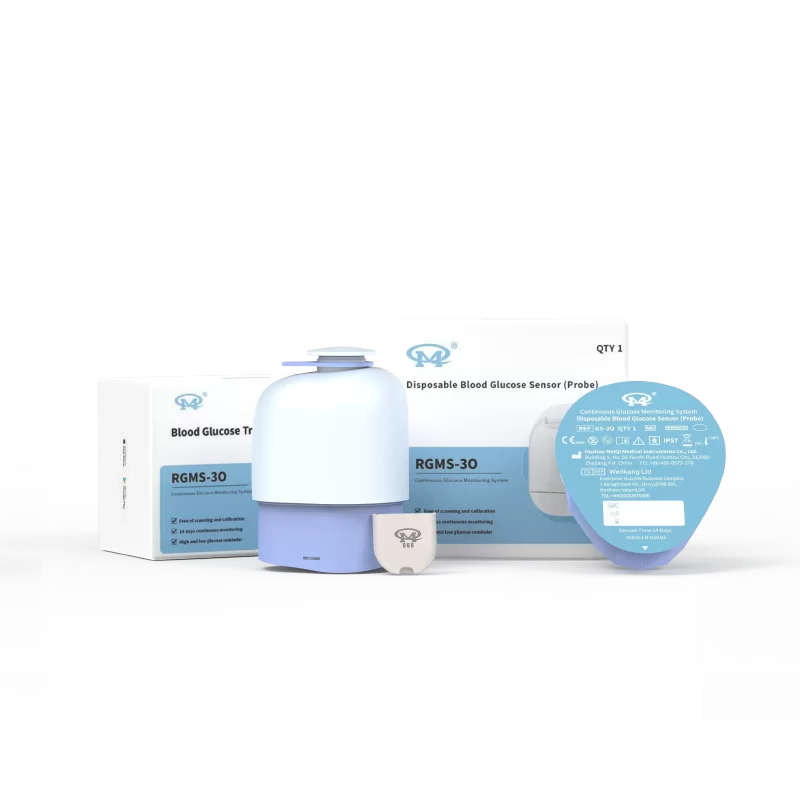
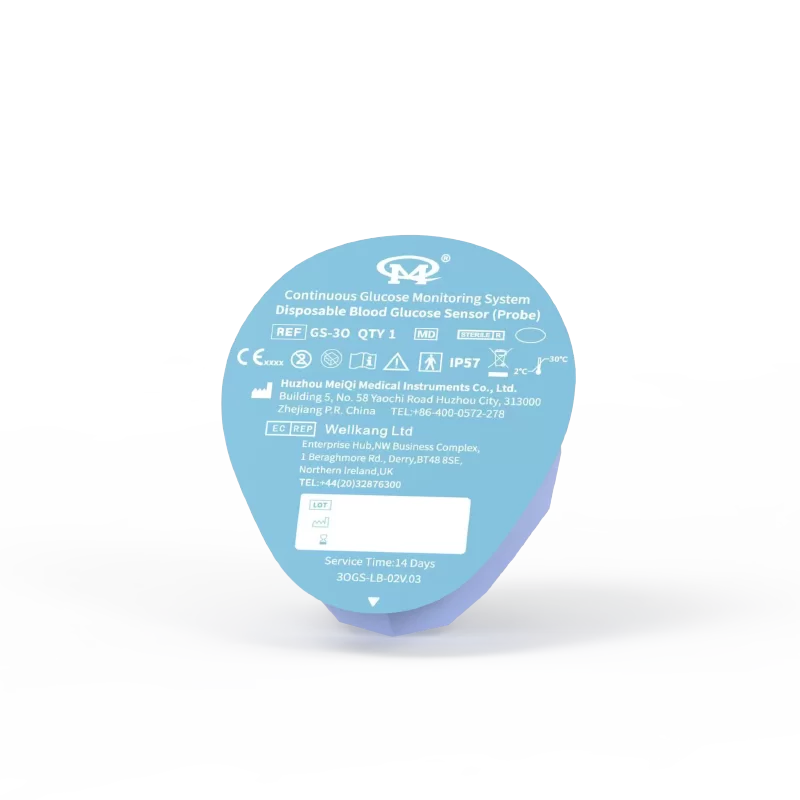
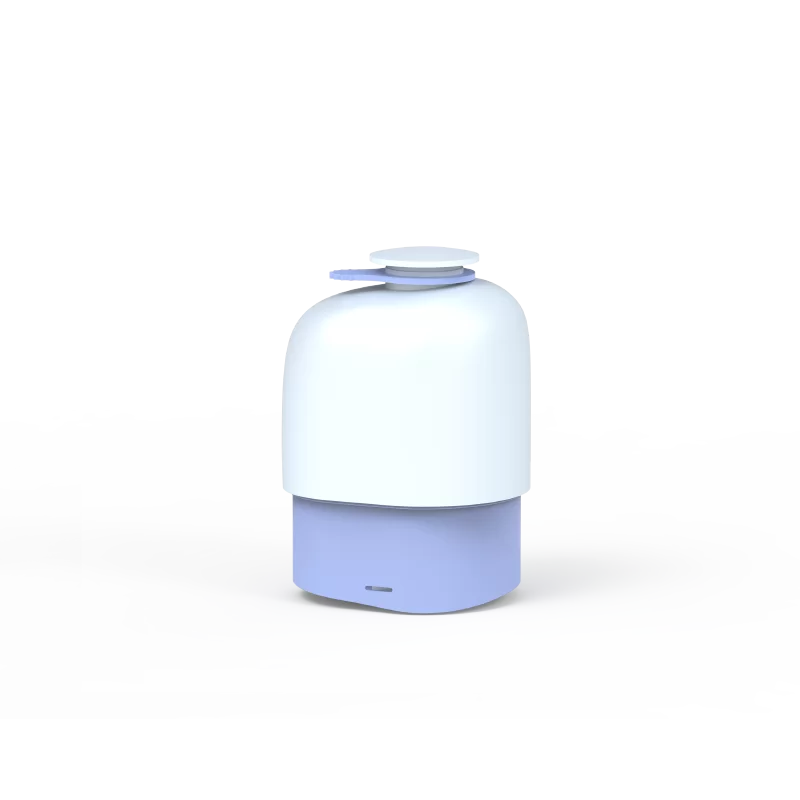
In Peru, the management of diabetes faces unique challenges due to the drastic contrast between the humid coastal regions and the high-altitude Andean highlands. The traditional reliance on finger-prick testing is increasingly viewed as insufficient for patients living in remote areas where access to specialized endocrinologists is limited, creating a surge in demand for a continuous glucose monitor.
Economic disparities in the region have historically limited the adoption of high-end medical devices. However, recent healthcare reforms in Lima and Cusco are pushing for the integration of a glucose monitor patch to reduce emergency hospitalizations caused by hypoglycemia and hyperglycemia in rural populations.
The Peruvian medical device market is currently transitioning toward digitalization. There is a growing preference among local clinicians for systems that offer seamless data transmission, allowing for remote patient monitoring that bypasses the logistical hurdles of the Peruvian geography.


