


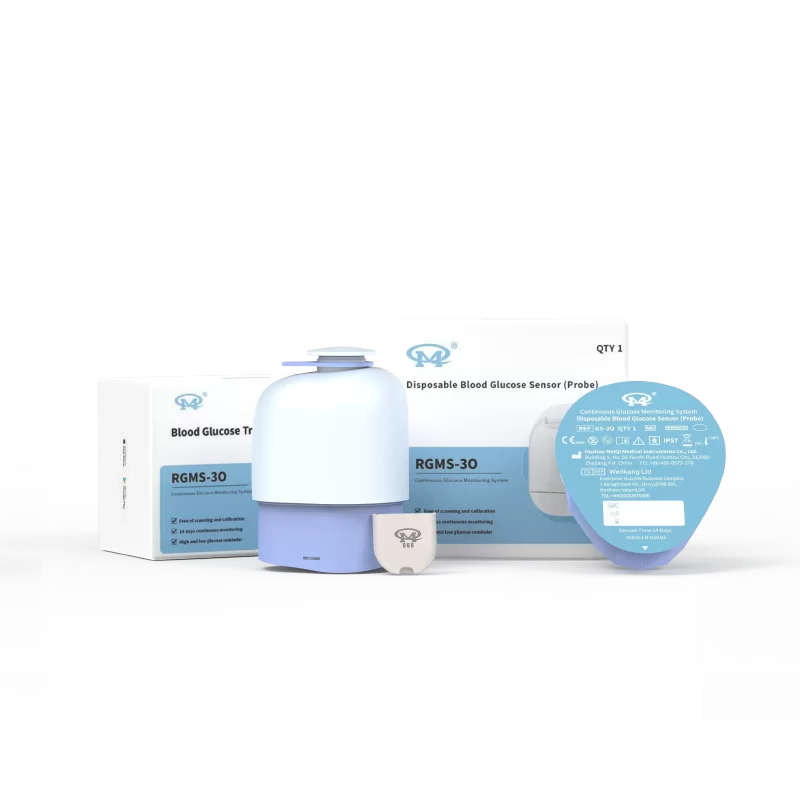
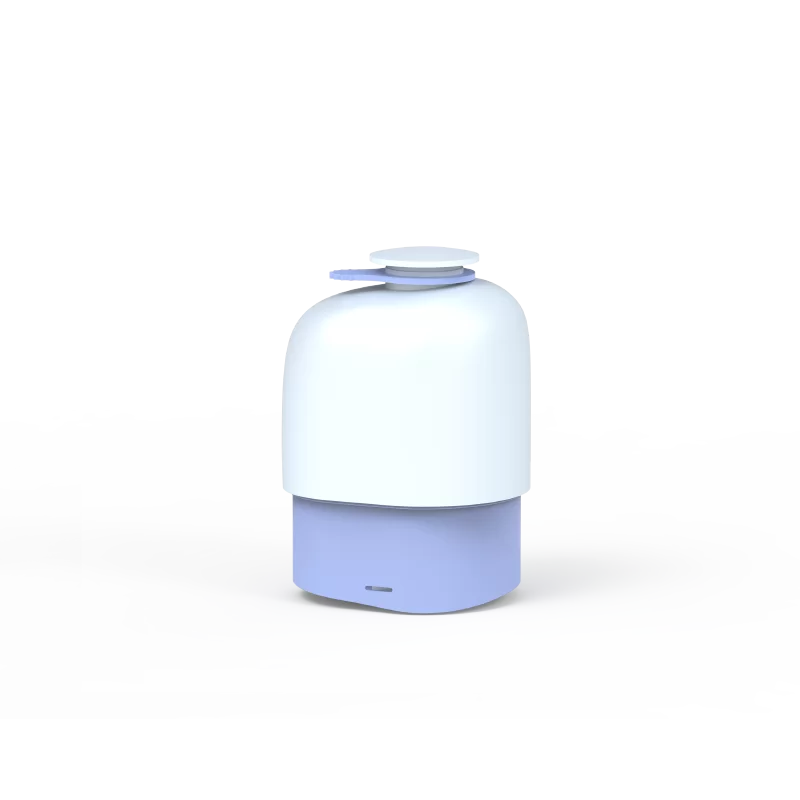
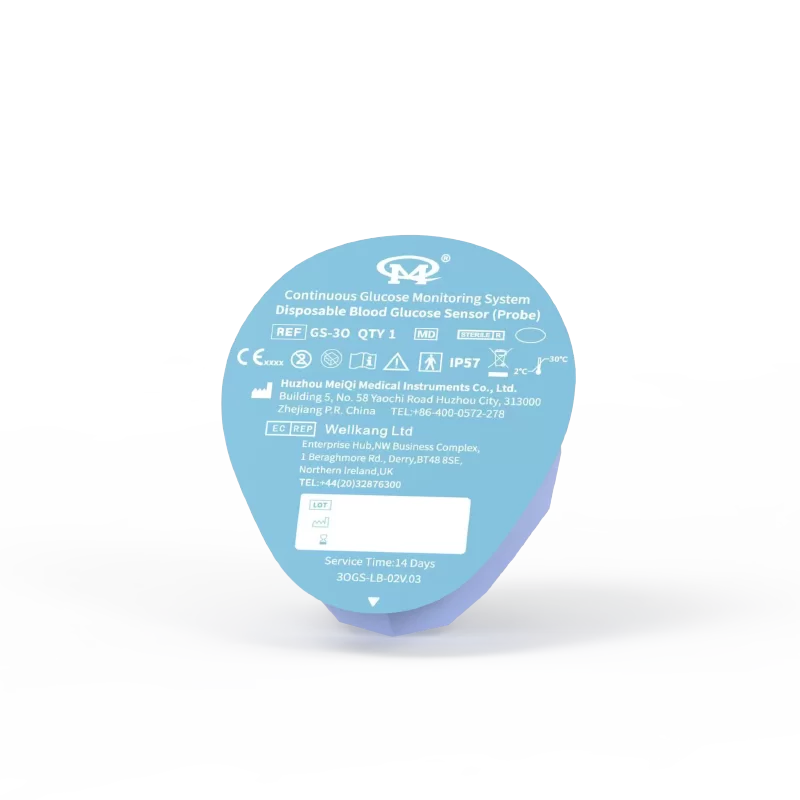
In Portugal, the prevalence of Type 2 diabetes is closely linked to regional dietary habits and an aging population. The National Health Service (SNS) has seen a surge in demand for a continous glucose monitor to reduce the burden of traditional finger-prick testing, especially in urban centers like Lisbon and Porto.
The humid Atlantic climate of the coastal regions poses specific challenges for medical adhesives. Consequently, the demand for a high-performance glucose monitor patch that remains secure during physical activity and high humidity has become a priority for Portuguese clinicians.
Economically, Portugal is shifting towards value-based healthcare. This transition is driving the adoption of a continuous glucose monitor that provides not just data, but actionable insights to prevent long-term complications, thereby reducing hospital readmission rates.


