

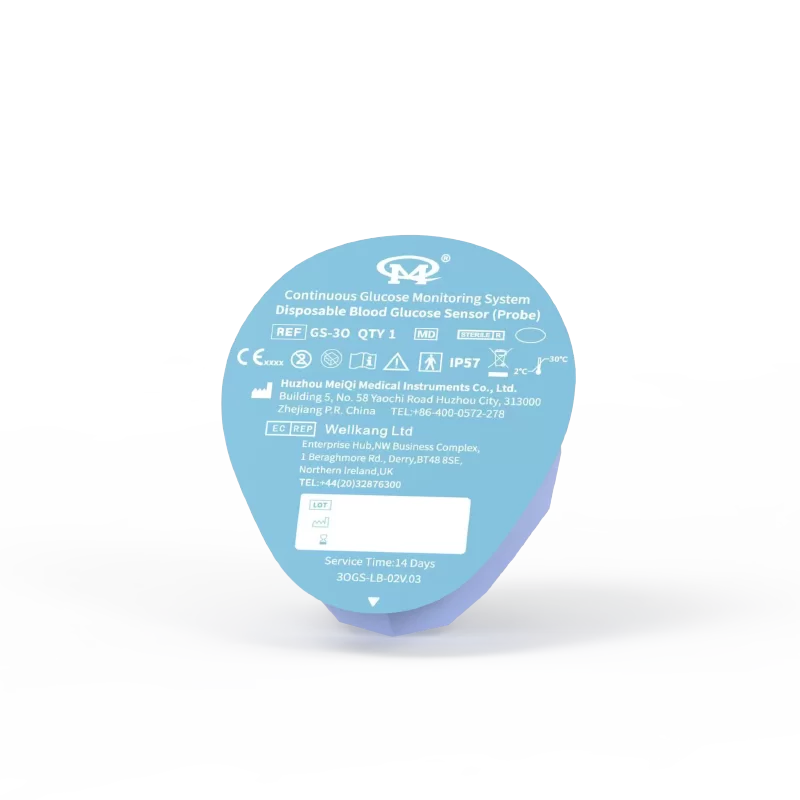
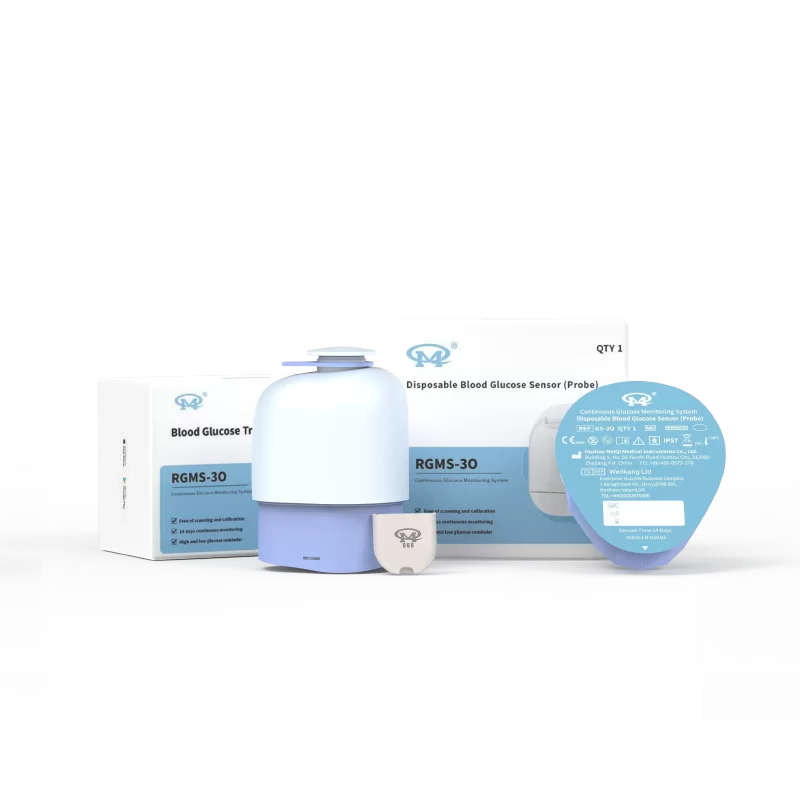
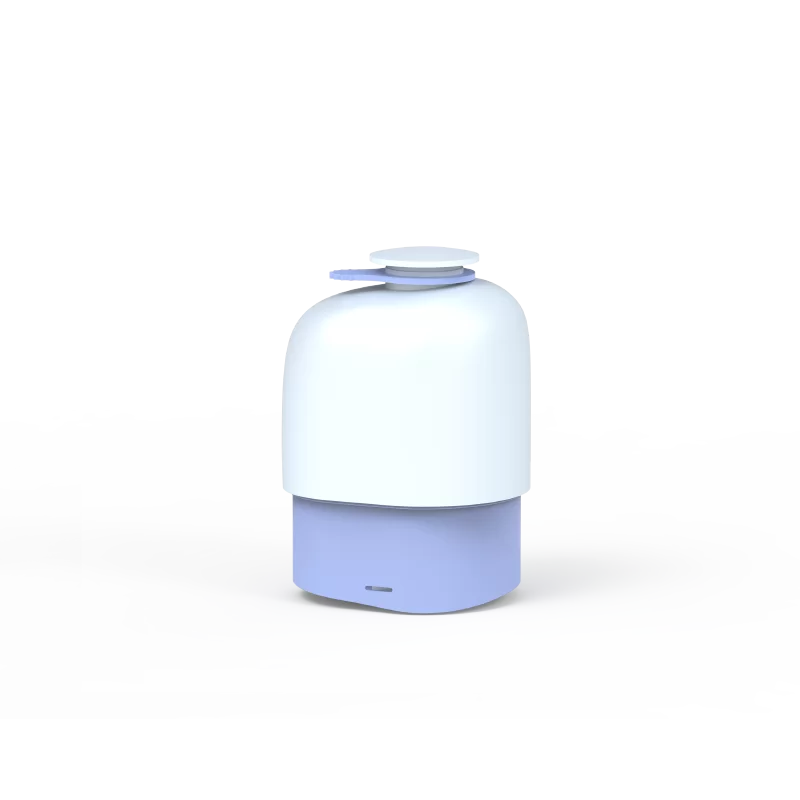
Advanced cgm glucose monitoring system Solutions for the UK Market

Advanced cgm glucose monitoring system Solutions for the UK Market

Download PDF
Contact Us

Advanced cgm glucose monitoring system Solutions for the UK Market

Precision healthcare engineering meeting NHS standards to empower diabetic care across the United Kingdom with next-generation monitoring technology.

Advanced cgm glucose monitoring system Solutions for the UK Market

Providing a comprehensive ecosystem of glucose monitoring tools designed for the clinical rigor and patient diversity of the United Kingdom's healthcare landscape.

The State of Diabetes Monitoring in the United Kingdom

Analyzing the intersection of NHS digitalization and patient demand for autonomy.

In the United Kingdom, the prevalence of Type 1 and Type 2 diabetes has placed immense pressure on the NHS. The shift towards "personalized care" has accelerated the adoption of the continuous glucose monitor, moving away from the traditional finger-prick method to reduce patient discomfort and improve glycemic control in diverse UK climates.

Economically, the UK market is characterized by a centralized procurement system through the NHS, which prioritizes cost-effectiveness alongside clinical outcomes. This has created a high barrier for entry, demanding that any continous glucose monitor meets stringent MHRA (Medicines and Healthcare products Regulatory Agency) safety and accuracy standards.

Patient behavior in Britain is increasingly leaning toward wearable integration. The integration of health data into the NHS App and other digital health records means that the modern glucose monitor patch must not only be accurate but also seamlessly compatible with existing UK digital health infrastructure.

Evolution and Trajectory of UK Glucose Monitoring

From reactive testing to proactive, real-time physiological data streaming.

Market Development History

From 2000 to 2010, the UK relied heavily on Blood Glucose Monitoring (BGM). The primary goal was reactive management, where patients tested several times a day to avoid acute hypoglycemia, but missed the trends between tests.

Between 2011 and 2020, the first generation of the continuous glucose monitor gained traction. This era introduced the "flash" monitoring concept, allowing UK patients to scan a sensor to get a reading, significantly reducing the frequency of invasive sampling.

Since 2021, the market has transitioned toward fully autonomous systems. The focus has shifted to the non invasive glucose monitor research and high-precision patches that provide real-time alerts via smartphones, aligning with the UK's Long Term Plan for digital transformation.

Future Development Trends

AI-Driven Predictive Analytics

Integration of machine learning to predict hypoglycemic events 30 minutes before they occur, tailored to the UK's diverse dietary patterns.

Closed-Loop Integration

The convergence of monitoring and delivery, where the sensor communicates directly with insulin pumps to create an artificial pancreas.

Ultra-Low Profile Form Factors

The evolution of the sensor into an invisible, breathable glucose monitor patch that lasts longer and requires zero calibration.

Future Outlook for Medical Diagnostic Device Manufacturing

Projecting the next 3-5 years of innovation in glucose sensing technology.

Non-Invasive Breakthroughs
Transitioning from interstitial fluid sensing to optical or electromagnetic sensing to eliminate skin penetration entirely.
IoT Health Ecosystems
Direct API integration between sensors and primary care physicians (GPs) for real-time remote monitoring.
Biocompatible Materials
Using advanced hydrogels to reduce inflammation at the insertion site, extending sensor wear-time to 30+ days.
Sustainable Manufacturing
Developing biodegradable components for disposable sensors to align with the UK's Net Zero environmental goals.

Industry Outlook

Based on Google search trends in the UK, there is a surging interest in "non-invasive" options. This indicates a market pivot where patient comfort is no longer a secondary luxury but a primary driver of device adoption and clinical compliance.

We expect a transition toward "Healthcare-as-a-Service," where the hardware is bundled with AI coaching apps, creating a holistic management system that reduces the burden on UK hospitals by preventing emergency admissions.

Localized Application Scenarios in the UK

Real-world deployment of CGM technology across different British lifestyles.

1. NHS Primary Care Integration

Implementing remote monitoring for elderly patients in rural Scotland or Wales, allowing GPs to review glucose trends via a cloud dashboard without requiring frequent travel.

2. Active Lifestyle Management in London

Using a discreet glucose monitor patch for corporate professionals who need real-time alerts during high-stress workdays and gym sessions.

3. Pediatric Care in UK Schools

Deploying sensors that allow parents and school nurses to monitor a child's glucose levels remotely, ensuring safety during school hours without disrupting the learning environment.

4. Gestational Diabetes Monitoring

Providing highly accurate, short-term monitoring for expectant mothers within the UK's maternity services to ensure optimal fetal development.

5. Sports Performance Optimization

Utilization by professional athletes in the English Premier League to optimize carbohydrate intake and energy levels using a continous glucose monitor.

Brand Story

Global Development Journey of Huzhou Xinmei Medical Equipment Co., Ltd.

Foundational Precision

Established with a vision to democratize high-end diagnostic tools, focusing on the core physics of enzymatic sensing.

Technological Leap

Transitioned from static monitoring to dynamic streaming, developing the first generation of stable wearable patches.

Global Compliance

Achieved international certifications, ensuring our devices meet the rigorous medical standards of Europe and the UK.

Patient-Centric Innovation

Redesigned the user experience to eliminate the "fear of needles," focusing on non-invasive and minimally invasive pathways.

The Future of Care

Now leading the charge in AI-integrated glucose monitoring to provide a painless, autonomous future for diabetes care.

Complete Product Portfolio for the UK Market

A tiered selection of monitoring systems from professional clinical grade to consumer-friendly wearables.

UK Patient & Provider FAQ

Answers to the most common technical and regulatory questions in the United Kingdom.

Is the continuous glucose monitor compatible with NHS digital records?

Yes, our systems are designed with open API standards to allow data synchronization with compatible healthcare provider platforms and the NHS app framework.

How does a non invasive glucose monitor differ from a patch?

A glucose monitor patch typically uses a tiny filament in the interstitial fluid, while a non invasive glucose monitor uses optical or thermal sensors to read levels without piercing the skin.

What is the lifespan of a typical cgm glucose monitoring system sensor?

Depending on the model, our sensors last between 10 to 14 days, providing continuous data without the need for daily replacements.

Are these devices MHRA approved for use in the United Kingdom?

Our manufacturing processes adhere to ISO 13485 and we work closely with regulatory partners to ensure all devices meet UKCA and MHRA requirements.

Can the continous glucose monitor be worn during swimming or showering?

Yes, our sensors feature high-grade waterproof ratings (IP67/68), making them suitable for the active lifestyles of UK users.

How often does the system require finger-prick calibration?

Many of our latest models are factory-calibrated, meaning zero finger-pricks are required for the duration of the sensor's life.

Partner With Us for Better Health

Contact our medical device specialists to bring advanced monitoring solutions to the United Kingdom.

Contact Us Now

If you are interested in our products, you can choose to leave your information here, and we will be in touch with you shortly.