

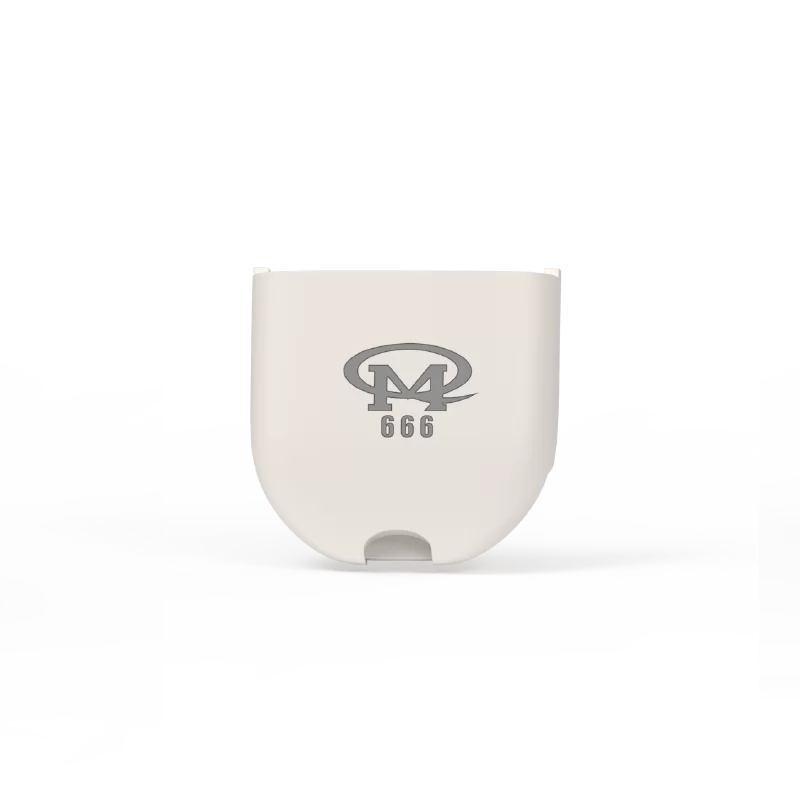
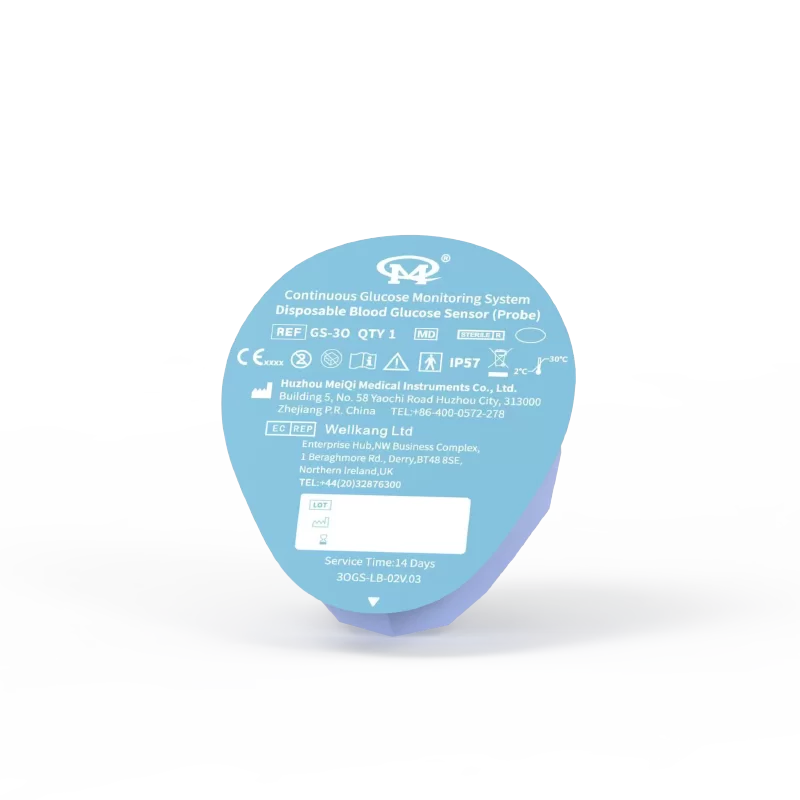
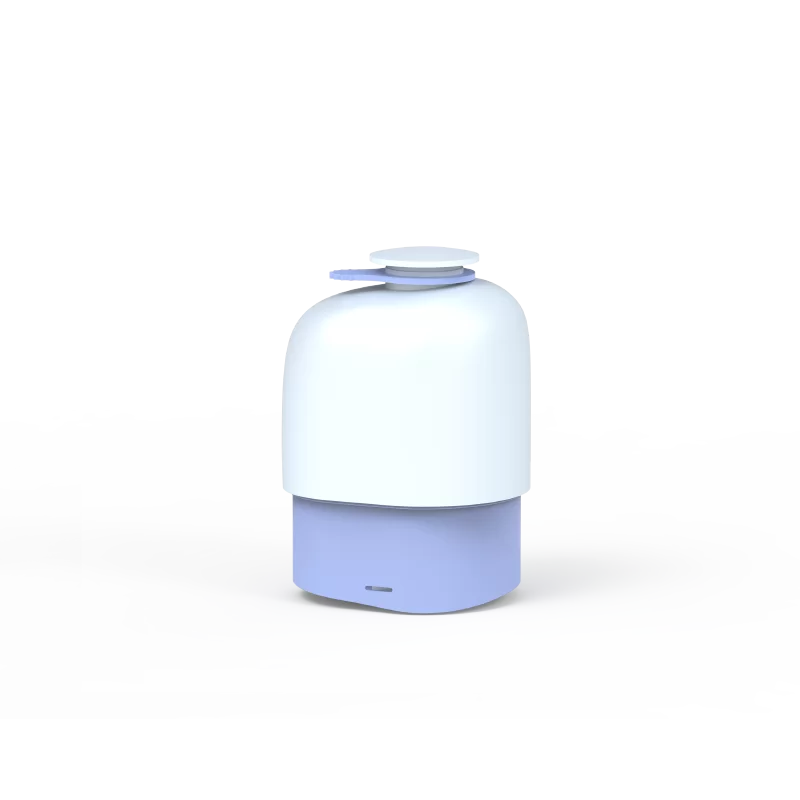
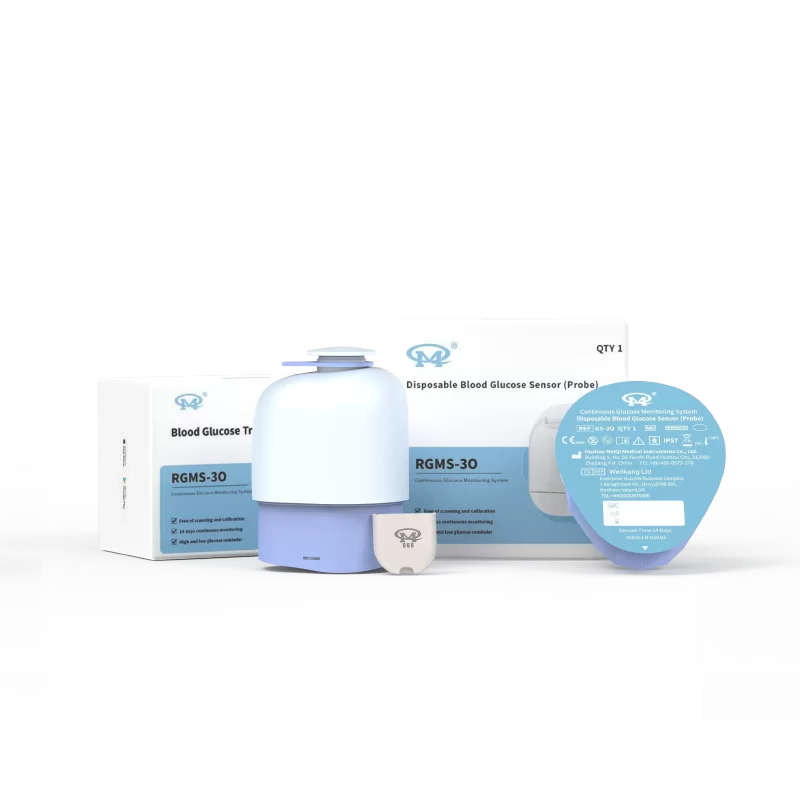
Advanced cgm glucose monitoring system Solutions for France

Advanced cgm glucose monitoring system Solutions for France

Download PDF
Contact Us

Advanced cgm glucose monitoring system Solutions for France

Precision medical diagnostics engineered for the French healthcare landscape, integrating seamless monitoring with clinical-grade accuracy.

Advanced cgm glucose monitoring system Solutions for France

Providing state-of-the-art glucose monitoring technologies to improve patient outcomes across the French medical network, combining reliability with non-invasive innovation.

Healthcare Landscape of Glucose Monitoring in France

Analyzing the adoption of digital health tools in the European medical hub.

France maintains a highly structured healthcare system where the integration of a continous glucose monitor is increasingly prioritized to reduce long-term complications of diabetes. The French market is characterized by a strong emphasis on patient autonomy and strict adherence to CE marking and European medical device regulations.

With the rising prevalence of metabolic disorders in urban centers like Paris and Lyon, there is a critical demand for a glucose monitor patch that offers discreet wear and high biocompatibility, catering to the active lifestyle of the modern French population.

The current economic shift toward telemedicine in France has accelerated the transition from traditional finger-prick methods to a comprehensive continuous glucose monitor, allowing real-time data synchronization between patients and their endocrinologists.

Evolution and Trajectory of CGM Technology

From intermittent sampling to seamless biological integration.

Market Development History

In the early 2000s, glucose monitoring in France relied heavily on invasive blood sampling. The first generation of monitors provided snapshots of glucose levels but failed to capture the glycemic variability that is crucial for insulin adjustment.

Around 2010-2015, the introduction of the first commercially viable continous glucose monitor systems began to shift the paradigm, allowing for trend analysis and predictive alerts, though these devices remained bulky and required frequent calibration.

By 2020, the industry pivoted toward miniaturization and the development of the non invasive glucose monitor concept, aiming to eliminate skin penetration entirely and improve patient compliance through wearable sensors.

Future Development Trends

AI-Driven Predictive Analytics

Integration of machine learning to predict hypoglycemic events 30 minutes in advance, tailored to the dietary habits of the European population.

Closed-Loop "Artificial Pancreas" Systems

Synergizing monitoring systems with automatic insulin pumps to create a fully autonomous metabolic regulation loop.

Multi-Analyte Sensing

Expanding sensor capabilities to monitor not just glucose, but also ketones and lactate within a single wearable patch.

Future Trends & Strategic Outlook

Driving the next wave of medical diagnostic innovation in France.

Non-Invasive Breakthroughs
Accelerating the transition toward non invasive glucose monitor technology using optical and electromagnetic sensing.
Cloud-Health Integration
Direct API linking between monitoring patches and French national health records for real-time care.
Biocompatible Materials
Reducing skin irritation through advanced medical-grade polymers in every glucose monitor patch.
Personalized Glycemic Targets
Using AI to adjust target ranges based on individual patient physiology and activity levels.

Industry Outlook

Based on search trends in Western Europe, the appetite for "painless" diagnostics is at an all-time high. We predict that within 5 years, the market will shift entirely toward hybrid systems that combine minimal-invasive sensors with non-invasive verification.

Furthermore, the French government's push for digital health sovereignty will likely foster the growth of local data processing hubs for CGM data, ensuring privacy while enhancing clinical precision.

Localized Applications in France

Practical deployment of glucose monitoring across diverse French environments.

01. Urban Diabetic Management in Paris

Implementing discreet monitoring patches for professionals in high-stress urban environments, ensuring glucose stability during fast-paced workdays.

02. Pediatric Care in French Hospitals

Utilizing painless continuous glucose monitor systems in pediatric wards to reduce the trauma of frequent needle sticks for children.

03. Remote Monitoring in Rural Provence

Connecting rural patients with specialists in Marseille via cloud-synced CGM data, reducing the need for frequent long-distance travel.

04. Athletic Performance Tracking in the Alps

Providing endurance athletes with real-time glucose insights to optimize fueling strategies during high-altitude training and competitions.

05. Geriatric Care in Retirement Communities

Deploying simplified monitoring systems for the elderly to prevent nocturnal hypoglycemia through automated caregiver alerts.

Brand Story

Global Development Journey of Huzhou Xinmei Medical Equipment Co., Ltd.

Foundational Vision

Established with the mission to eliminate the pain of diabetes management, focusing on precision engineering in medical diagnostic devices.

Technological Leap

Invested heavily in R&D to transition from traditional monitoring to advanced wearable sensor technology, bridging the gap between clinic and home.

Global Certification

Achieved critical international standards, including CE marks, allowing our systems to enter the stringent European medical markets.

Market Expansion

Strategically entered France and other EU nations, partnering with local distributors to provide localized glucose monitoring solutions.

Future Commitment

Dedicated to the pursuit of fully non-invasive diagnostics to ensure every patient can live a life free from the burden of needles.

Common Questions on CGM in France

Expert answers to the most frequent queries regarding glucose monitoring technology.

How accurate is a glucose monitor patch compared to finger-pricks?

Modern patches are designed for high MARD (Mean Absolute Relative Difference) accuracy, providing a reliable trend analysis that often surpasses sporadic finger-pricks for daily management.

Is a continous glucose monitor covered by French health insurance?

Coverage varies depending on the patient's type of diabetes and medical necessity. Many prescriptions for CGM systems are partially or fully reimbursed by the Assurance Maladie.

Can I use a non invasive glucose monitor during sports?

Yes, non-invasive systems are ideal for sports as they eliminate the need for blood samples and can be integrated into wearables to monitor glucose flux during physical activity.

How often does a continuous glucose monitor need replacement?

Depending on the specific model, sensors typically last between 7 to 14 days before needing a fresh application to maintain optimal enzyme activity and accuracy.

What is the main advantage of a cgm glucose monitoring system over traditional meters?

The primary advantage is the "trend arrow," which shows not just where your glucose is, but where it is heading, allowing for proactive rather than reactive treatment.

Are these glucose monitoring devices compatible with iOS and Android in Europe?

Yes, our systems are fully compatible with major smartphone platforms, utilizing encrypted Bluetooth protocols to ensure secure data transmission to your mobile device.

Partner with us for Better Diagnostics

Contact our specialists today to integrate world-class glucose monitoring solutions into your clinic or pharmacy in France.

Contact Us Now

If you are interested in our products, you can choose to leave your information here, and we will be in touch with you shortly.