

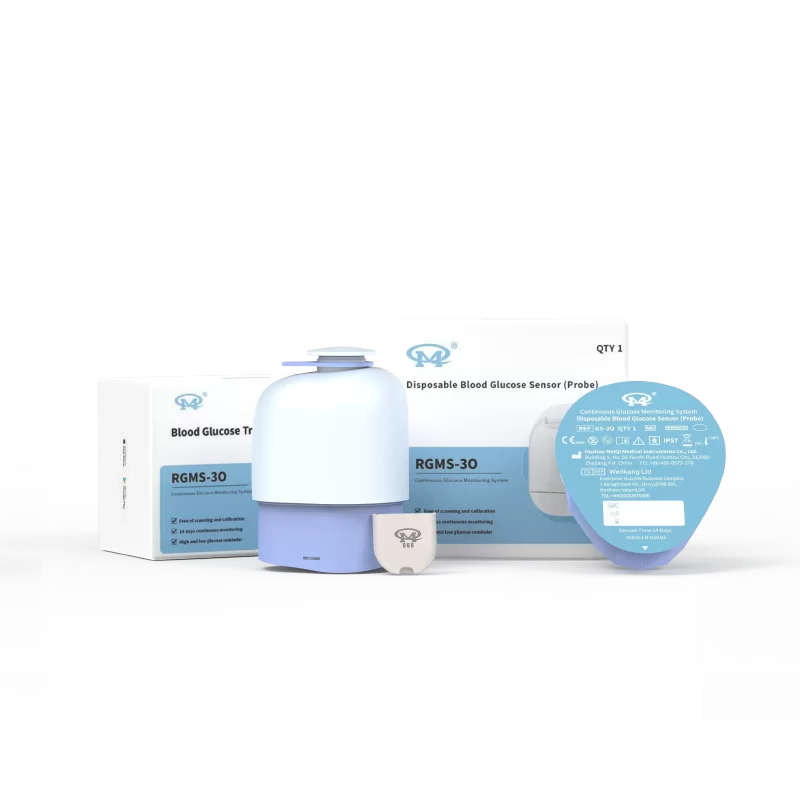
Advanced Glycemic Control with cgm glucose monitoring system in Germany

Advanced Glycemic Control with cgm glucose monitoring system in Germany

Download PDF
Contact Us

Advanced Glycemic Control with cgm glucose monitoring system in Germany

Precision engineering meeting medical excellence to redefine diabetes management across the German healthcare landscape.

Advanced Glycemic Control with cgm glucose monitoring system in Germany

Empowering German patients and healthcare providers with high-precision, real-time glucose tracking technology to ensure optimal therapeutic outcomes and patient safety.

The State of Diabetes Monitoring in Germany

Analyzing the integration of digital health (DiGA) and glucose monitoring in the German market.

Germany's healthcare system, characterized by its stringent quality standards and the "Digitale Gesundheitsanwendungen" (DiGA) framework, has accelerated the adoption of the continuous glucose monitor. With a high prevalence of Type 1 and Type 2 diabetes, the market is shifting toward automated reimbursement for digital monitoring tools that reduce hospitalizations.

The German patient demographic highly values data privacy (GDPR) and clinical precision. This has led to a surge in demand for a glucose monitor patch that combines discretion with medical-grade accuracy, allowing users to maintain an active lifestyle in urban centers like Berlin and Munich without constant finger-pricking.

Furthermore, there is a growing clinical push toward the non invasive glucose monitor to eliminate skin penetration entirely. German endocrinologists are increasingly seeking solutions that integrate seamlessly with existing insulin pump infrastructures to create a closed-loop "artificial pancreas" system.

Evolution of Glucose Monitoring Technology

From manual capillary testing to seamless algorithmic monitoring.

Market Development History

Historically, the German market relied on traditional glucometers (pre-2010), requiring frequent invasive blood sampling. The first wave of transition occurred between 2010 and 2018, where early continous glucose monitor devices were introduced, though they often required daily calibrations and were limited to high-risk patients.

From 2018 to 2023, the "Factory Calibrated" era emerged. The introduction of the cgm glucose monitoring system removed the need for finger-sticks, drastically improving patient compliance across the EU and specifically within Germany's statutory health insurance (GKV) frameworks.

Currently, the trajectory is moving toward "Invisible Monitoring." The integration of AI-driven predictive alerts now allows patients to anticipate hypoglycemic events 30 minutes before they occur, shifting the paradigm from reactive treatment to proactive prevention.

Future Development Trends

AI-Driven Predictive Analytics

Integration of machine learning to analyze lifestyle data and glucose fluctuations to provide personalized nutrition advice.

Full Non-Invasiveness

The transition toward the non invasive glucose monitor using Raman spectroscopy or electromagnetic sensing to eliminate all skin trauma.

Closed-Loop Ecosystems

Complete synchronization between monitors and automated insulin delivery systems to achieve a "set-and-forget" glucose stability.

Industry Trends and Future Outlook

Strategic directions for diagnostic equipment manufacturing in Europe.

Miniaturization of Wearables
Development of thinner, more flexible glucose monitor patch designs for enhanced skin comfort.
Interoperability Standards
Ensuring that continuous glucose monitor data syncs instantly across all German health apps.
Sustainability in MFG
Reducing plastic waste in disposable sensor production to meet German environmental laws.
Remote Patient Monitoring
Enabling German doctors to monitor patient trends via cloud-based cgm glucose monitoring system portals.

Industry Outlook

The convergence of biotechnology and electronics is driving the German market toward a holistic metabolic health approach. We expect a significant shift where monitoring is not just for diabetics, but for the broader "wellness" and "preventative health" sector in Europe.

Data suggests that the demand for non-invasive solutions will grow by 15% CAGR over the next 5 years, as users prioritize pain-free experience over marginal accuracy gains, forcing manufacturers to innovate sensor materials.

Localized Application Scenarios in Germany

Real-world integration of glucose monitoring in diverse German environments.

01. Urban Professional Integration

For executives in Frankfurt's financial district, a discreet glucose monitor patch allows for seamless glucose tracking during high-stress meetings without the need for intrusive testing.

02. Athletic Performance in the Alps

German outdoor enthusiasts and athletes use continuous glucose monitor devices to optimize energy levels during endurance sports, preventing hypoglycemia during alpine hiking.

03. Pediatric Care in Specialized Clinics

Children's clinics in Germany implement cgm glucose monitoring system solutions to reduce the trauma of needle sticks, improving the quality of life for young patients.

04. Elderly Care in Nursing Homes

Care facilities across Bavaria utilize automated monitoring to ensure the safety of elderly patients with dementia who cannot manually check their blood sugar.

05. Preventative Screening for Pre-Diabetics

Health-conscious citizens in Germany use non invasive glucose monitor technology to track glycemic responses to diet, preventing the onset of Type 2 diabetes.

Brand Story

Global Development History of Huzhou Xinmei Medical Equipment Co., Ltd.

Foundation and Vision

Established with the goal of democratizing precision diagnostics, focusing on the core pain point of invasive testing in metabolic care.

R&D Breakthroughs

Investing heavily in biosensor materials to increase the lifespan and accuracy of wearable glucose sensors.

European Market Entry

Aligning manufacturing processes with EU MDR and ISO standards to enter the rigorous German medical device market.

Digital Transformation

Launching integrated cloud platforms that connect wearable hardware with professional medical analysis tools.

Global Leadership

Expanding our footprint as a trusted partner for healthcare systems worldwide, from Asia to the heart of Europe.

Common Questions in the German Market

Expert answers to technical and regulatory queries regarding CGM technology.

Is the continuous glucose monitor compatible with German DiGA standards?

Yes, our systems are designed to meet the interoperability and data security requirements essential for integration into the German digital health application framework.

How does a glucose monitor patch handle extreme weather in Germany?

Our medical-grade adhesives are engineered to maintain strong adhesion during both humid summers and cold, dry winters characteristic of Central Europe.

What is the accuracy of a non invasive glucose monitor compared to blood tests?

While non-invasive tech is evolving, our latest sensors provide high correlation with venous blood glucose, serving as an excellent trend monitoring tool.

Can the cgm glucose monitoring system be reimbursed by GKV insurance?

Depending on the patient's clinical profile and prescription, many of our certified devices are eligible for reimbursement through statutory health insurance in Germany.

How often does the sensor in a continuous glucose monitor need replacement?

Our sensors are typically rated for 10 to 14 days of continuous use, ensuring a balance between stability and freshness of the enzyme layer.

Is data transmitted from the monitor encrypted according to GDPR?

Absolutely. All data transmissions use end-to-end encryption to ensure that sensitive health data remains private and compliant with strict European privacy laws.

Ready to Upgrade Your Care?

Contact our specialist team for partnership opportunities and distribution in Germany.

Contact Us Now

If you are interested in our products, you can choose to leave your information here, and we will be in touch with you shortly.