


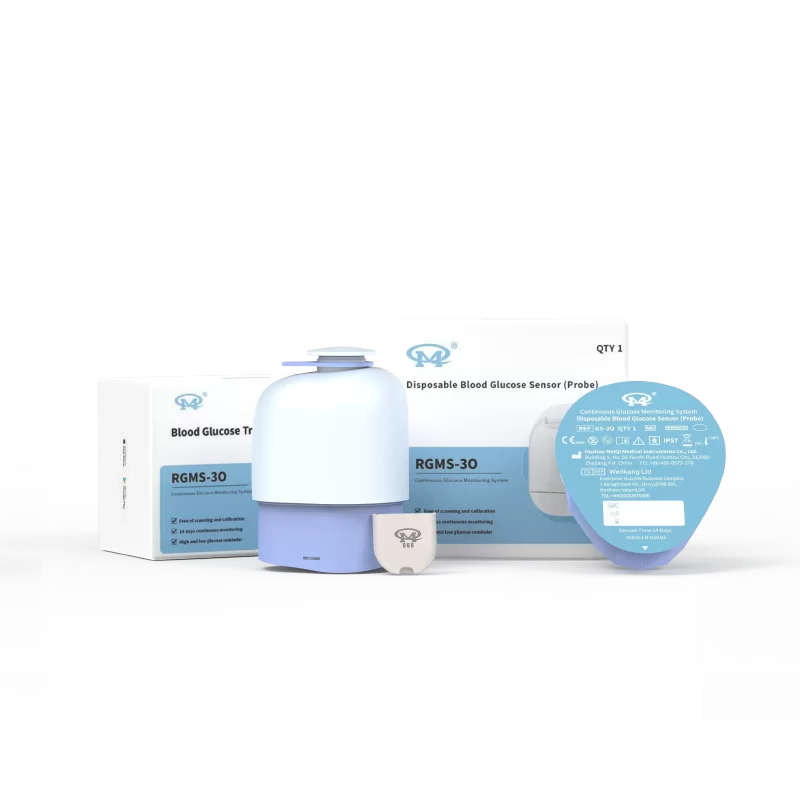

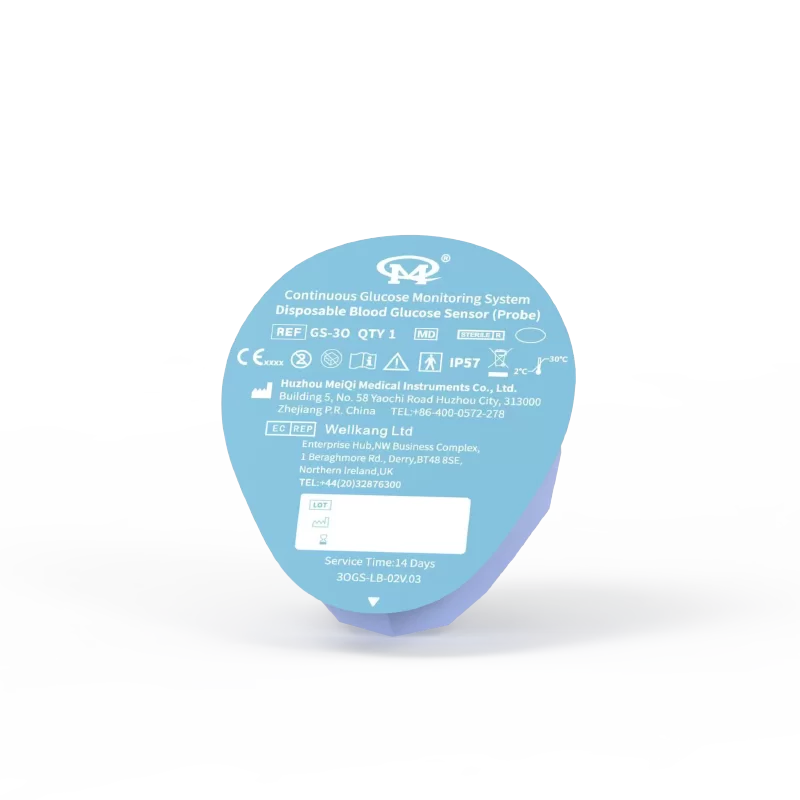
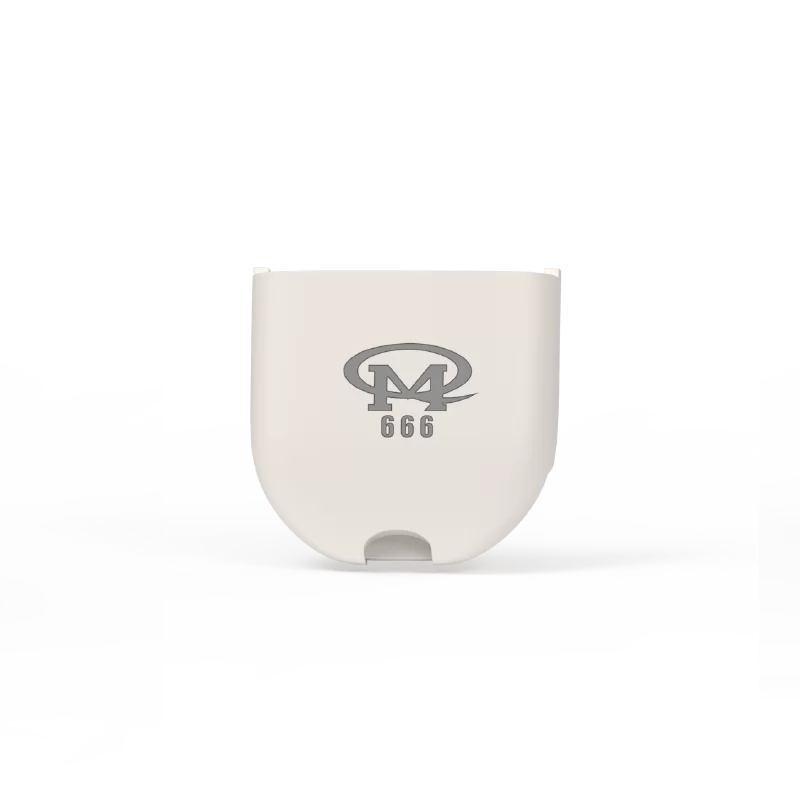
In Afghanistan, the management of diabetes is severely hindered by limited medical infrastructure and the geographic isolation of rural provinces. Traditional finger-prick methods often face challenges due to the scarcity of sterile consumables and the difficulty of transporting temperature-sensitive test strips in extreme climatic conditions, making the demand for a continuous glucose monitor more critical than ever.
Economic fluctuations and logistics hurdles in Kabul and beyond have created a gap in the availability of modern diagnostic tools. Many patients rely on outdated equipment that requires frequent calibration and manual recording, which often leads to inaccurate dosing and poor glycemic control in underserved populations.
The introduction of a cgm glucose monitoring system offers a transformative shift for Afghan clinics. By reducing the need for constant invasive sampling and providing real-time data, healthcare providers can better manage patients who live far from urban medical centers, ensuring stability despite regional instability.


