


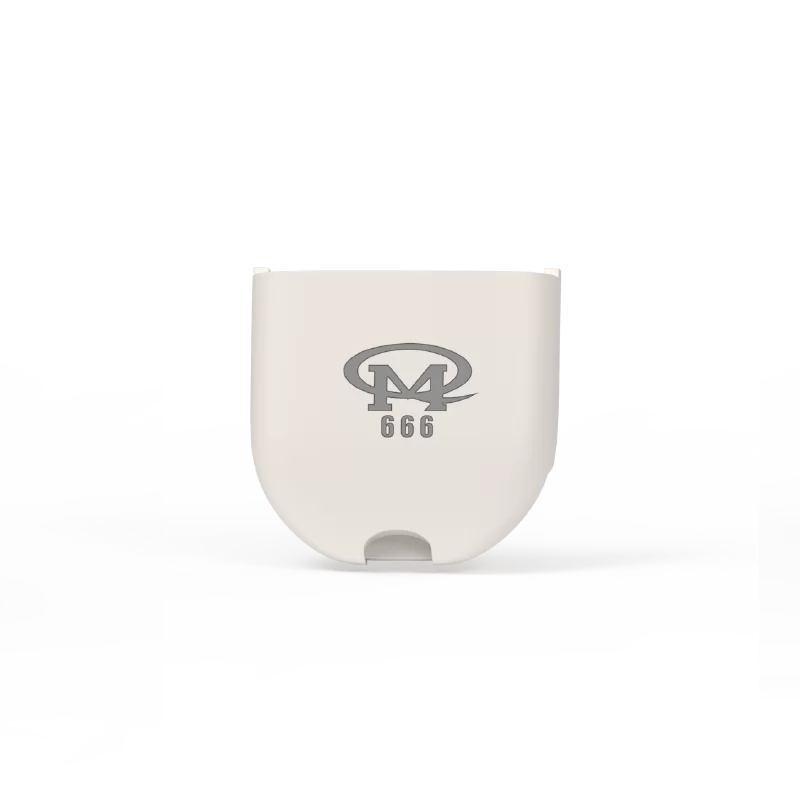
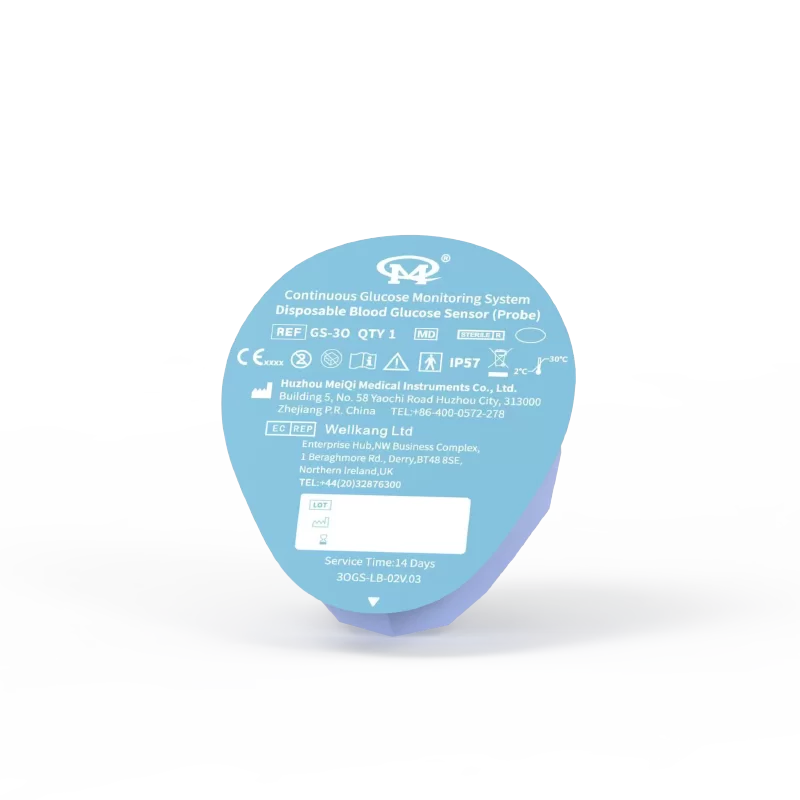
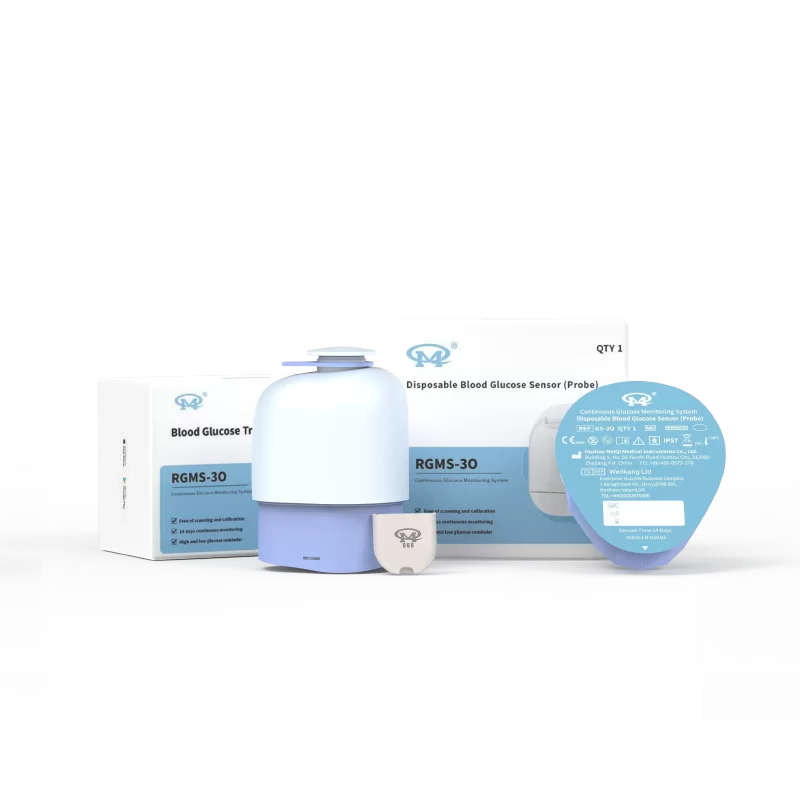

Sri Lanka faces a significant burden of Type 2 diabetes, exacerbated by dietary habits and a genetic predisposition. In the humid, tropical climate of the island, traditional finger-stick testing is often cumbersome, and the storage of chemical strips can be compromised by high humidity, leading to a growing demand for a more stable continous glucose monitor.
Economically, the healthcare system is shifting toward preventative care. However, accessibility to high-end diagnostics remains uneven between Colombo and rural provinces. The introduction of the glucose monitor patch offers a scalable solution that reduces the frequency of clinic visits while maintaining high-precision monitoring.
Currently, the market is transitioning from reactive treatment to proactive management. There is a critical need for a non invasive glucose monitor to improve patient compliance, as the psychological burden of frequent needles often leads to under-reporting and poor glycemic control among the local population.


