


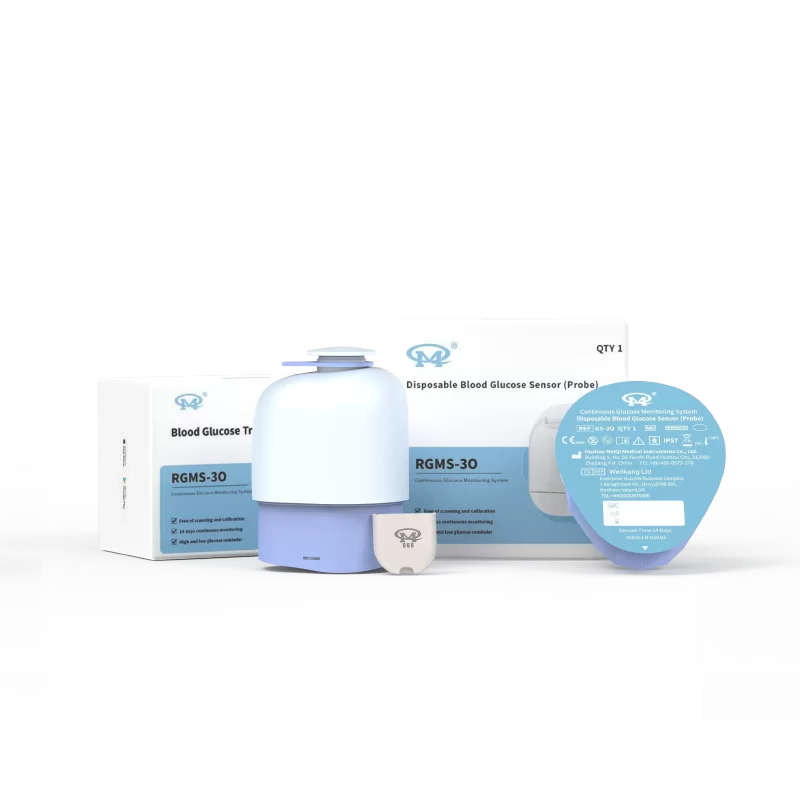
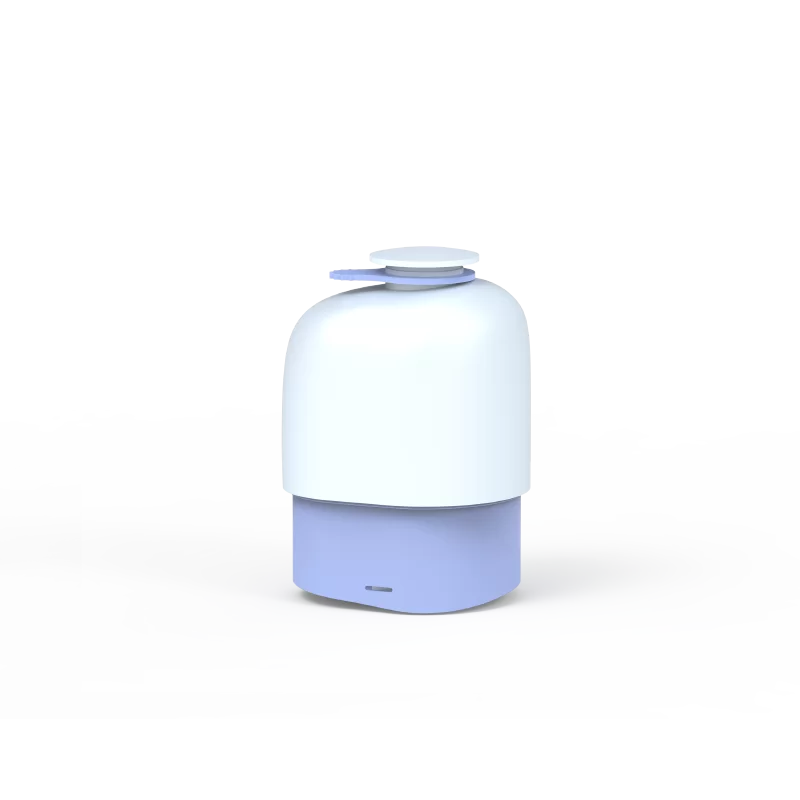
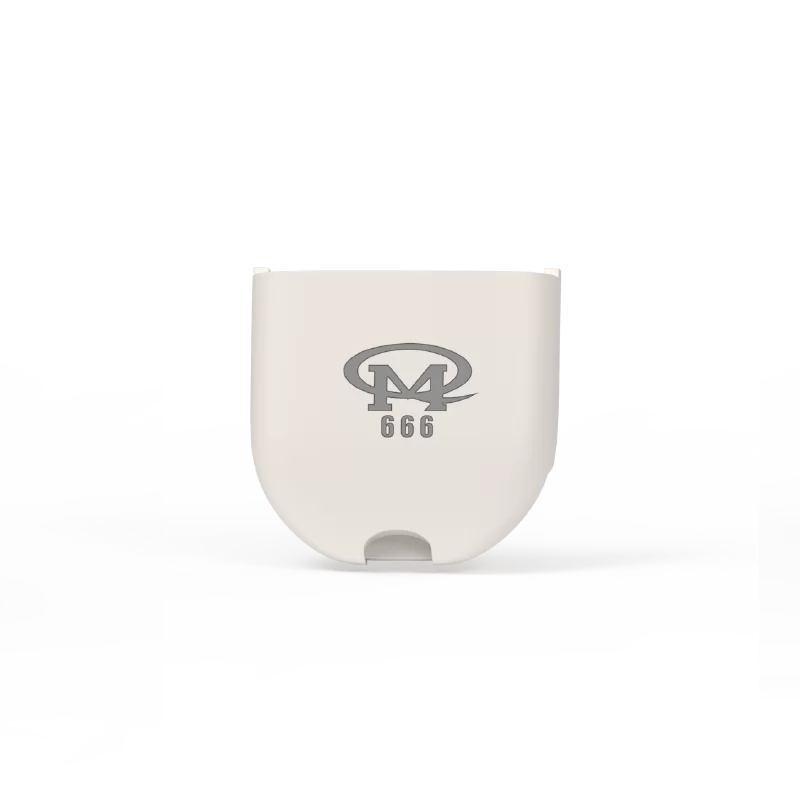
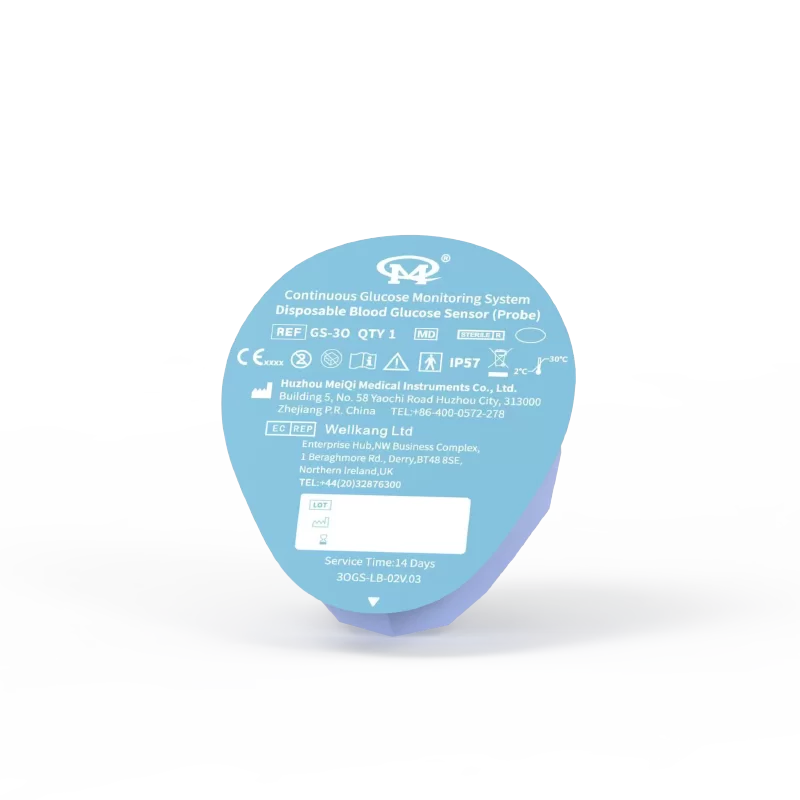
Indonesia faces a rising burden of Type 2 diabetes, exacerbated by dietary shifts and a rapidly aging population. The humid tropical climate of the region poses significant challenges for traditional adhesive medical devices, making the demand for a durable glucose monitor patch increasingly critical for patients who maintain active lifestyles in high-humidity environments.
Currently, much of the Indonesian population relies on finger-prick testing. However, the lack of real-time visibility into glucose fluctuations often leads to suboptimal management of hypoglycemia. There is a growing shift towards the continous glucose monitor to provide a more holistic view of glucose trends across the diverse geographical regions of the archipelago.
Economic disparities between urban centers like Jakarta and rural provinces mean that accessibility to high-end diagnostics remains uneven. This has sparked an urgent need for a cost-effective and reliable continuous glucose monitor that can be deployed via telemedicine platforms to reach patients in remote islands.


