

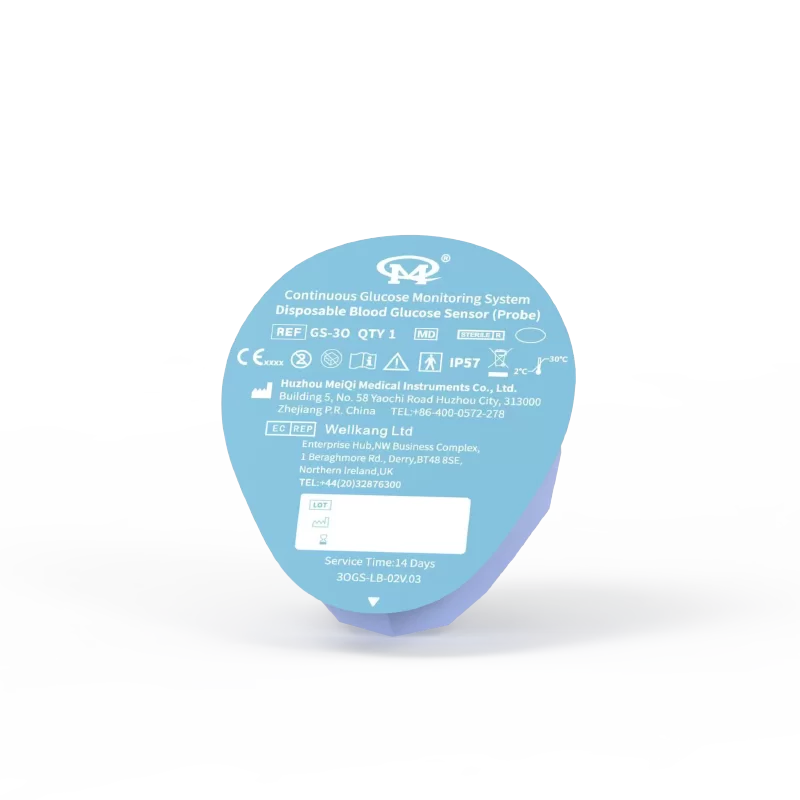
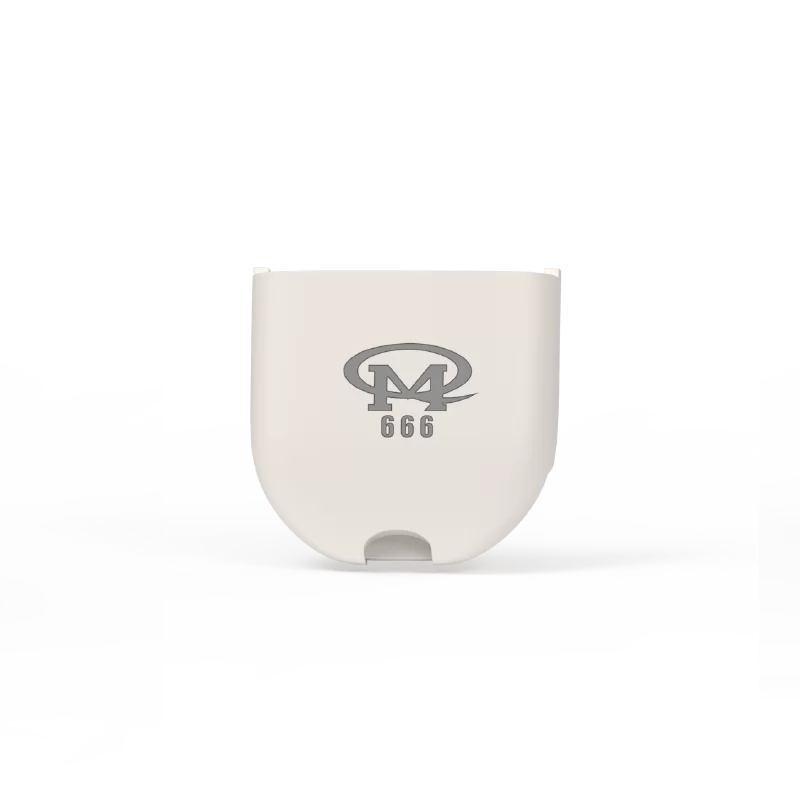
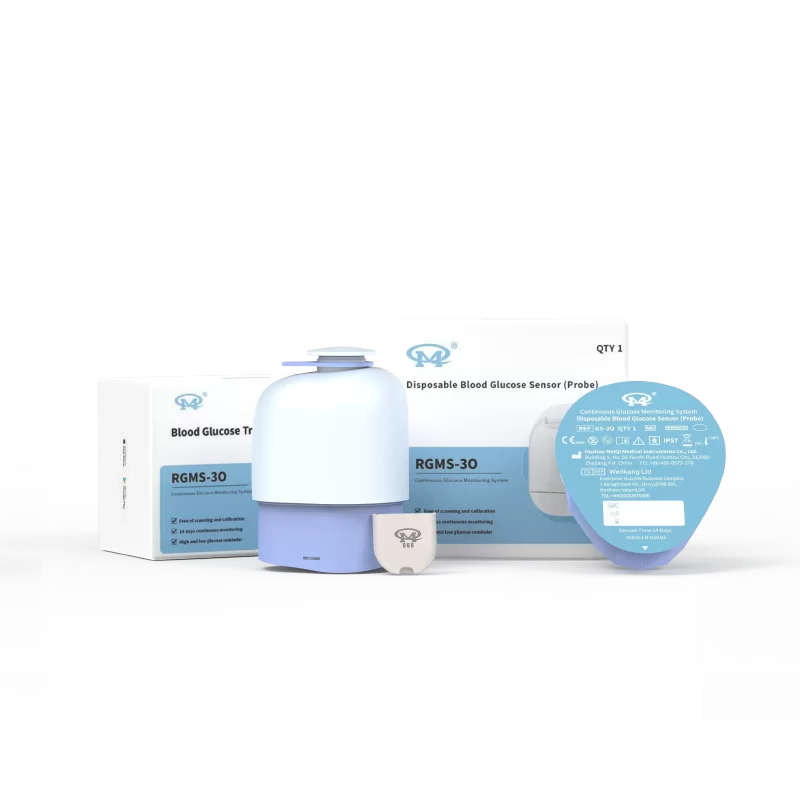
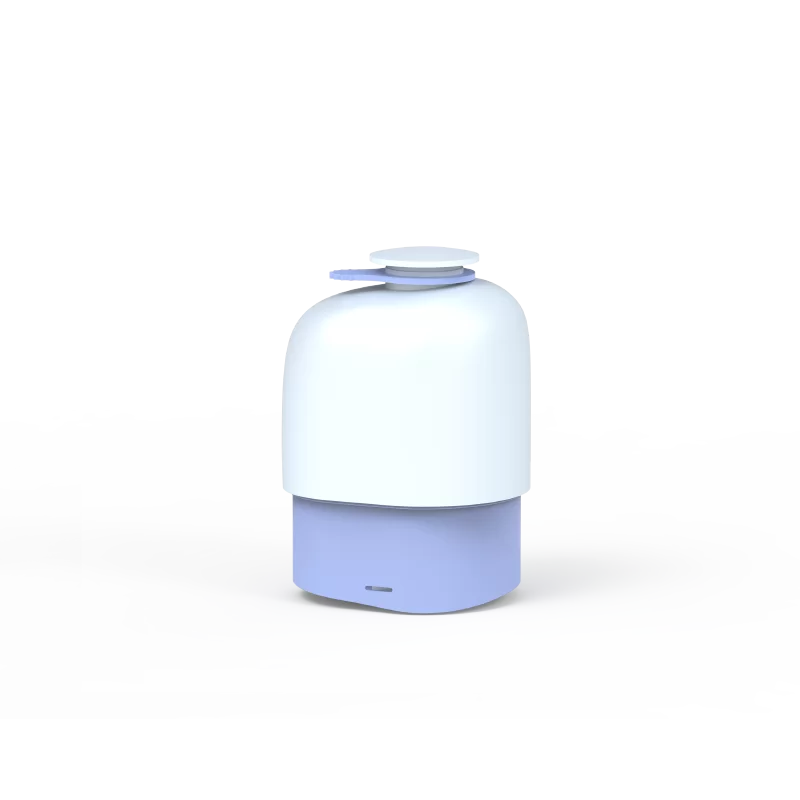
Advanced cgm glucose monitoring system Solutions for Malaysia

Advanced cgm glucose monitoring system Solutions for Malaysia

Download PDF
Contact Us

Advanced cgm glucose monitoring system Solutions for Malaysia

Revolutionizing diabetes management in Southeast Asia with precision, real-time data, and non-invasive technology for a healthier Malaysian society.

Advanced cgm glucose monitoring system Solutions for Malaysia

Our cutting-edge medical device manufacturing ensures that Malaysian patients have access to the most reliable, high-precision glucose tracking technologies available globally.

Diabetes Care Landscape in Malaysia

Analyzing the challenges of glucose monitoring in a tropical, multi-ethnic environment.

Malaysia faces one of the highest rates of diabetes prevalence in Asia. The combination of a high-carbohydrate diet and a sedentary lifestyle has created an urgent demand for a more efficient continous glucose monitor to prevent long-term complications.

The humid tropical climate of Malaysia presents unique challenges for medical adhesives. Traditional patches often peel off due to sweat, making the development of a high-adhesion glucose monitor patch critical for patient compliance and consistent data collection.

Economically, the shift towards private healthcare in urban centers like Kuala Lumpur and Penang is accelerating the adoption of a continuous glucose monitor, as patients seek alternatives to the pain of multiple daily finger-pricks.

Evolution of Glucose Monitoring Technology

From invasive testing to the era of seamless, non-invasive sensing.

Market Development History

From 2000 to 2010, the Malaysian market relied almost exclusively on BGM (Blood Glucose Monitoring) which required invasive finger-pricking, leading to low patient adherence across the region.

Between 2011 and 2020, the first generation of interstitial sensors arrived, introducing the concept of a continuous glucose monitor, though these were often expensive and required frequent calibration.

From 2021 to the present, we have entered the era of factory-calibrated sensors and the emergence of the non invasive glucose monitor, removing the skin-barrier entirely for a pain-free experience.

Future Development Trends

AI-Driven Predictive Analytics

Integration of machine learning to predict hypoglycemic events 30 minutes in advance based on Malaysian dietary patterns.

Closed-Loop Integration

Seamless syncing between the monitor and automated insulin delivery systems to create an "artificial pancreas."

Wearable Miniaturization

Reducing the footprint of the sensor to a microscopic level, increasing comfort for the wearer in hot climates.

Industry Trends & Future Outlook

Strategizing the next leap in medical diagnostic equipment for the Malaysian market.

Non-Invasive Dominance
Rapid transition towards non invasive glucose monitor tech to eliminate patient pain and infection risk.
Cloud-Based Monitoring
Remote patient monitoring allowing doctors in KL to track rural patients in real-time via the cloud.
Biocompatible Materials
Development of hypoallergenic adhesives tailored for Southeast Asian skin types to prevent irritation.
Cost-Effective Access
Scaling manufacturing to lower the per-unit cost of CGM sensors for wider accessibility in public hospitals.

Industry Outlook

Google search trends in Malaysia indicate a 40% year-on-year increase in queries regarding "pain-free glucose testing," signaling a massive market shift toward non-invasive solutions.

Over the next 5 years, the integration of CGM with wearable fitness trackers (Smartwatches) will become the standard, transforming diabetes management from a medical chore into a lifestyle habit.

Localized Application Scenarios in Malaysia

Real-world implementations of CGM technology across different Malaysian demographics.

01. Urban Professional Management

For busy executives in Kuala Lumpur, a discreet glucose monitor patch allows for seamless tracking during high-stress meetings without interrupting their workflow.

02. Rural Health Outreach

Implementing remote monitoring in Sabah and Sarawak, where patients can send their data to city-based specialists, reducing the need for frequent travel.

03. Pediatric Diabetes Care

Using non-invasive sensors for children in Malaysian schools to ensure safety and prevent hypoglycemia without the trauma of needles.

04. Elderly Home Care

Equipping elderly parents with automated alerts that notify family members via mobile apps when glucose levels deviate from the safe range.

05. Sports & Fitness Integration

Athletes in Malaysia using CGM to optimize their carbohydrate intake during marathons or cycling events in the humid climate.

Brand Story

Global Development History of Huzhou Xinmei Medical Equipment Co., Ltd.

Foundational Innovation

Established with a mission to solve the pain points of invasive testing, focusing on high-precision sensor manufacturing.

Technological Breakthrough

Developing proprietary enzyme-coating techniques that extend the lifespan of the sensor in challenging environments.

Global Certification

Achieving international medical standards (ISO/CE), allowing our devices to enter the most regulated healthcare markets.

Southeast Asia Expansion

Strategically entering the Malaysian market to provide affordable, high-quality CGM systems to combat the diabetes epidemic.

Future Vision

Leading the transition toward a fully non-invasive future, ensuring no patient ever has to feel the prick of a needle again.

Common Questions in Malaysia

Expert answers to your concerns about continuous glucose monitoring.

How does a non invasive glucose monitor work compared to traditional ones?

Unlike traditional monitors that require blood, a non invasive glucose monitor uses advanced optical or electromagnetic sensors to detect glucose levels through the skin, eliminating pain and infection risks.

Can I wear a glucose monitor patch during heavy exercise in Malaysia's humidity?

Yes, our patches are engineered with medical-grade, sweat-resistant adhesives specifically designed to stay secure even in the high humidity and temperature of the Malaysian climate.

Is a continous glucose monitor suitable for Type 2 diabetes patients?

Absolutely. A continous glucose monitor is highly beneficial for Type 2 patients to understand how specific Malaysian foods (like Nasi Lemak) affect their glucose levels in real-time.

How long does a typical continuous glucose monitor sensor last?

Depending on the model, our sensors typically last between 10 to 14 days, providing 24/7 data streams without the need for daily replacements.

What is the accuracy of a cgm glucose monitoring system?

Our systems are designed with a low MARD (Mean Absolute Relative Difference), ensuring clinical-grade accuracy that is reliable for making treatment decisions.

Where can I find support for my glucose monitor in Malaysia?

We provide comprehensive digital support and partner with local medical distributors across Malaysia to ensure you have access to training and technical assistance.

Ready to Transform Diabetes Care?

Our team is ready to provide professional medical device solutions tailored for the healthcare needs of Malaysia.

Contact Us Now

If you are interested in our products, you can choose to leave your information here, and we will be in touch with you shortly.