


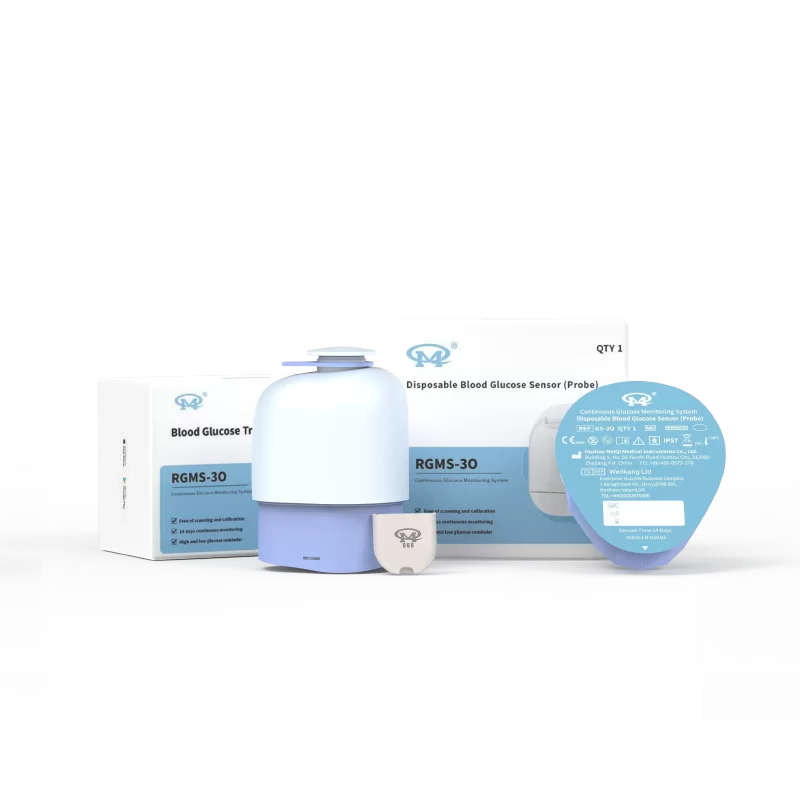
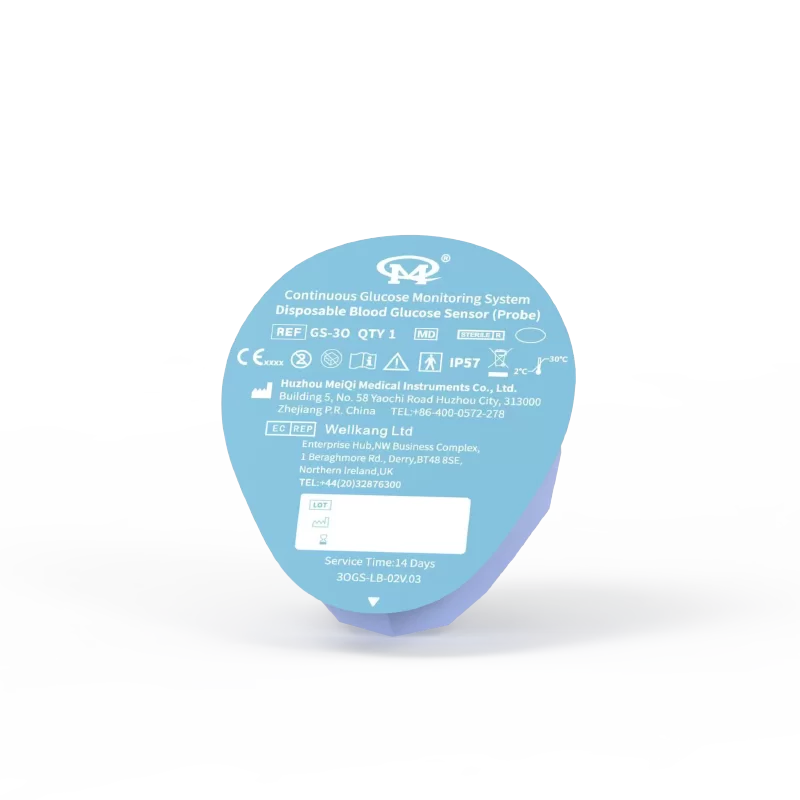
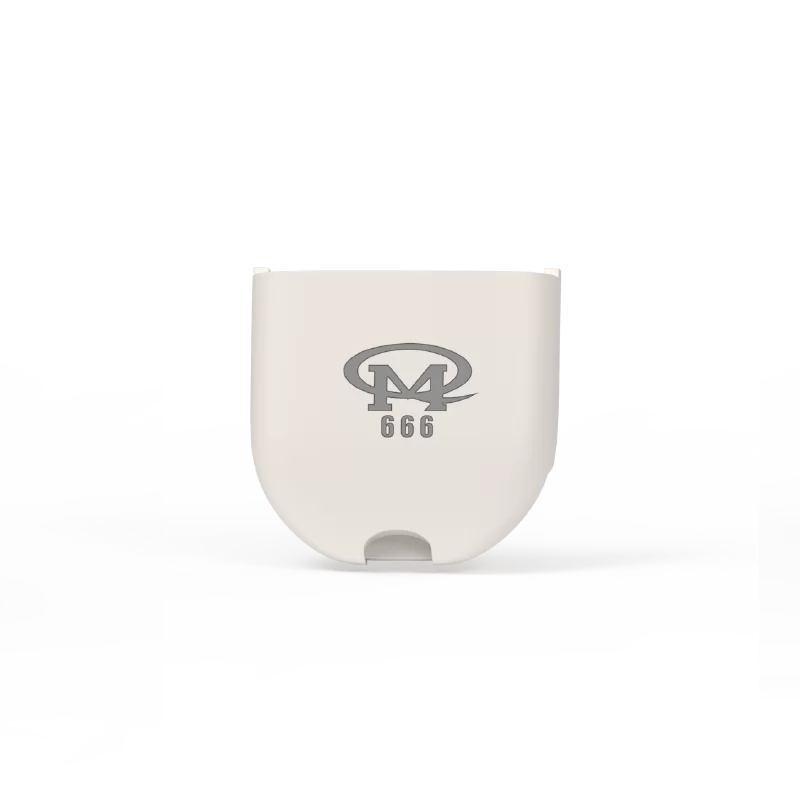
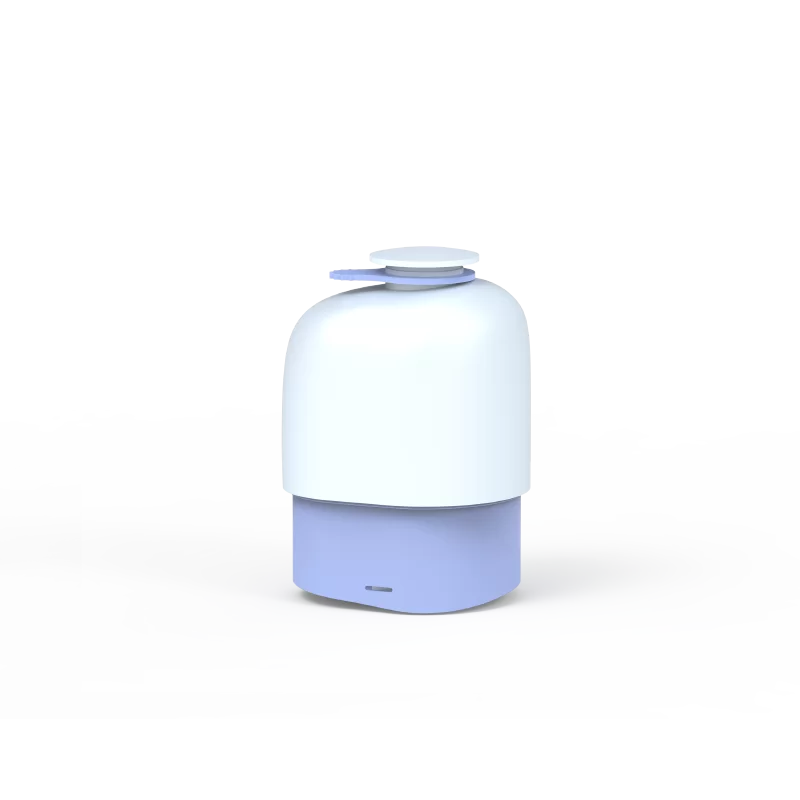
In Laos, the healthcare infrastructure is currently transitioning from traditional finger-prick methods to more automated systems. However, the humid tropical climate often affects the stability of chemical reagents used in standard strips, creating a critical demand for a more robust continuous glucose monitor that can withstand environmental fluctuations.
Economic disparities between Vientiane and rural provinces mean that many patients lack consistent access to specialist endocrinologists. The introduction of a glucose monitor patch offers a decentralized solution, allowing patients to monitor their levels autonomously and share data digitally with remote clinics.
There is a growing medical preference for reducing patient trauma and infection risks, especially in resource-limited settings. This has accelerated the interest in a non invasive glucose monitor, which eliminates the need for constant skin penetration and reduces the biohazardous waste generated by traditional lancets.


