



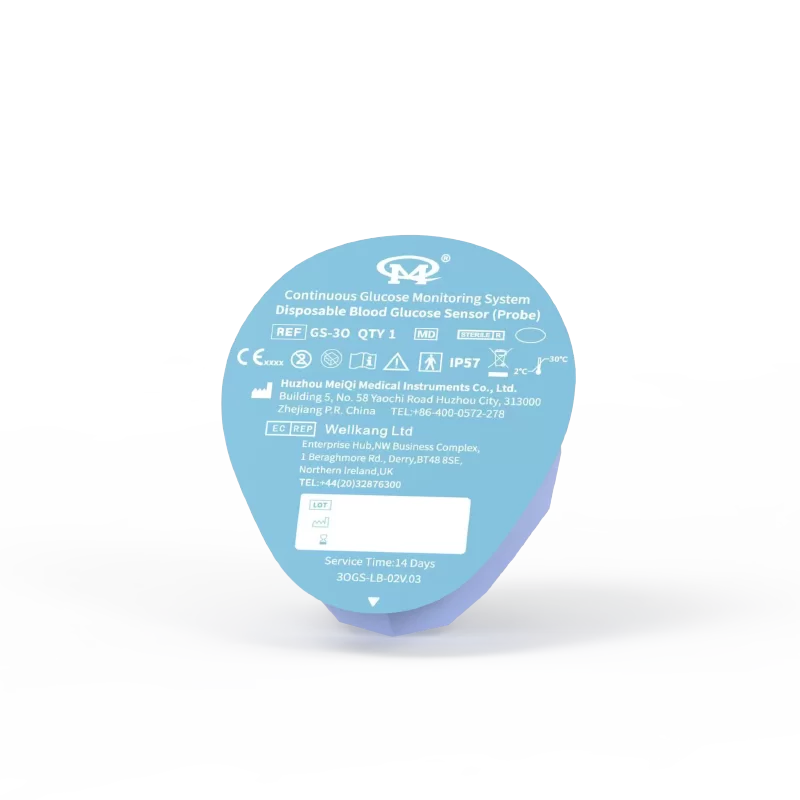
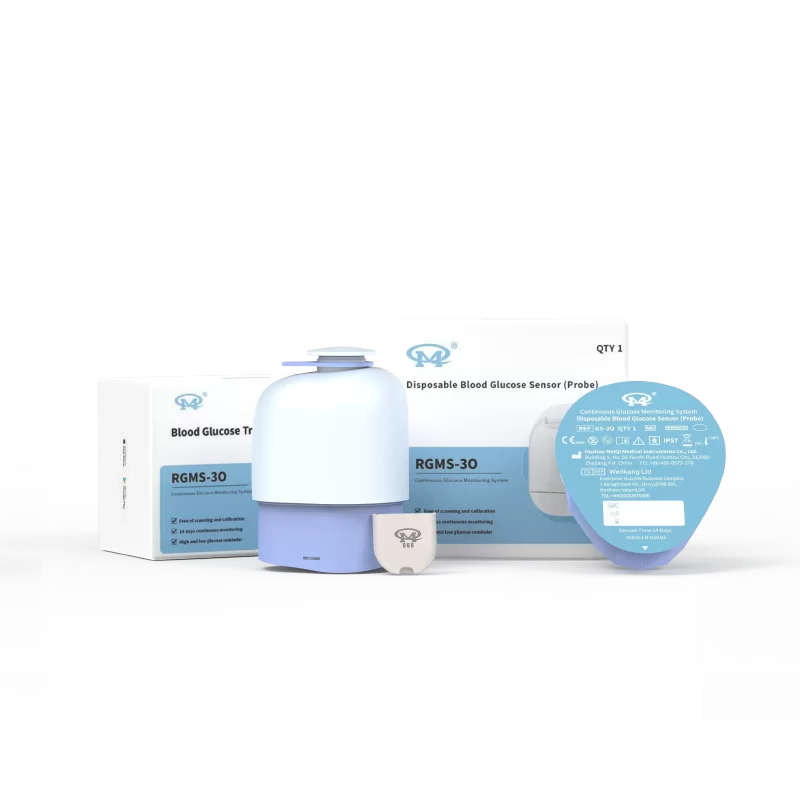
South Africa faces a dual burden of healthcare challenges, where urban centers like Johannesburg and Cape Town see a surge in Type 2 diabetes due to shifting dietary habits, while rural areas struggle with limited access to consistent diagnostic tools. The reliance on traditional finger-prick tests often leads to poor patient compliance, creating an urgent demand for a continuous glucose monitor that reduces pain and improves adherence.
Environmental factors, including extreme temperature fluctuations across different provinces, place significant stress on the chemical stability of traditional biosensors. This necessitates the adoption of robust glucose monitor patch technology that can maintain accuracy despite humidity and heat, ensuring that patients in the Limpopo or KwaZulu-Natal regions receive reliable data.
Economically, the South African healthcare system is striving to balance private sector efficiency with public sector accessibility. The shift toward a non invasive glucose monitor is seen as a critical step to reduce the long-term cost of complications by enabling proactive, real-time management for a broader demographic of the population.


