


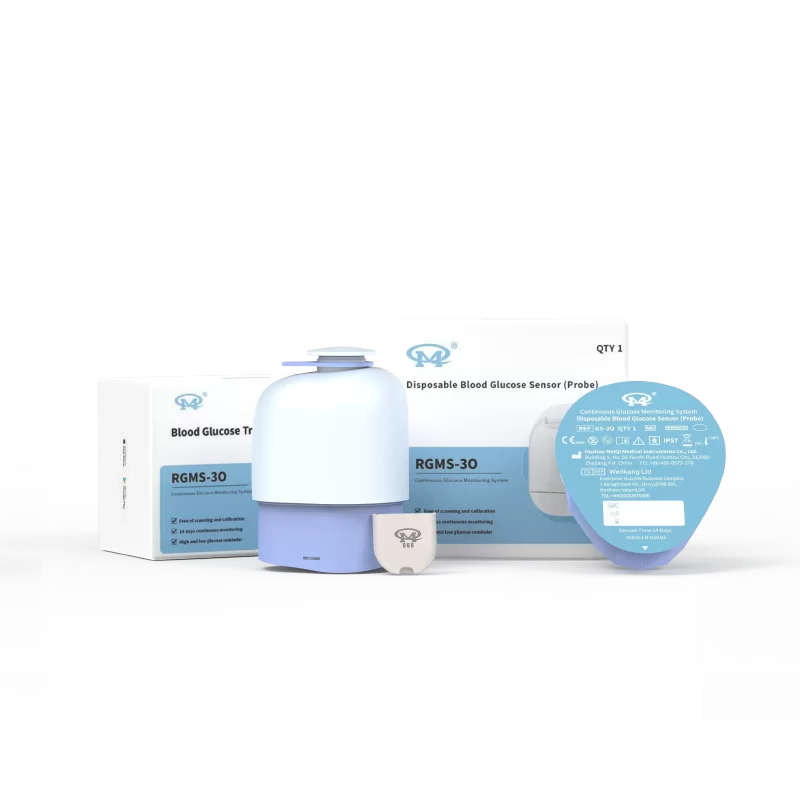
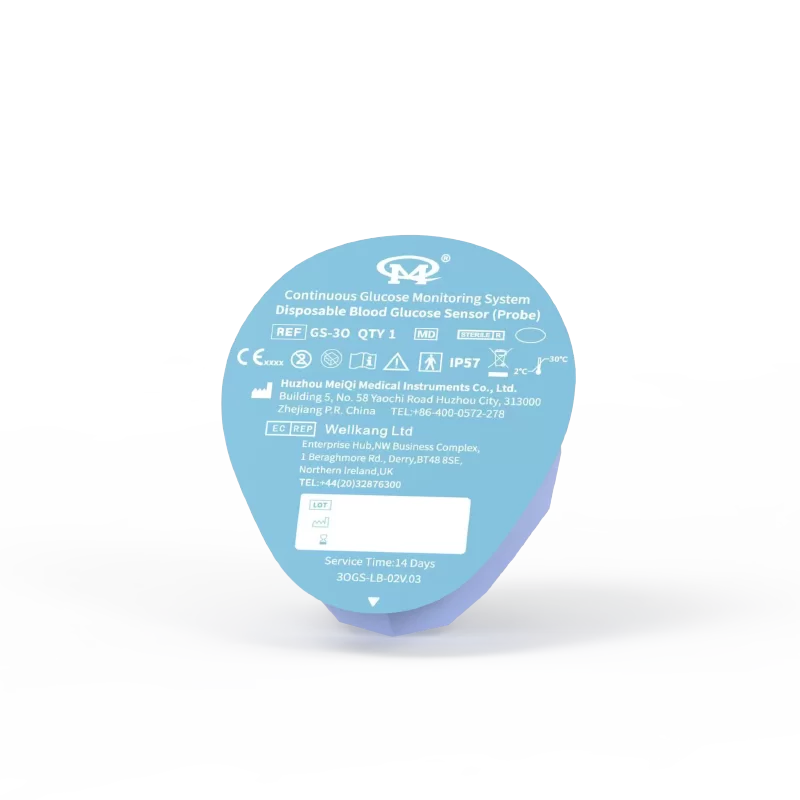

In Zimbabwe, the management of diabetes is often hindered by limited access to consistent healthcare facilities in rural areas and the high cost of imported consumables. The reliance on traditional finger-stick methods creates a barrier to effective glycemic control, especially for patients traveling long distances to clinics.
The hot, semi-arid climate of the region poses significant challenges for the storage and stability of traditional chemical reagents used in glucose testing. There is a critical demand for a non invasive glucose monitor that can withstand environmental fluctuations without compromising accuracy.
Economic volatility has pushed the Zimbabwean medical market toward seeking cost-effective, long-term solutions. The shift toward a continuous glucose monitor allows for reduced frequency of disposable strip purchases, providing a more sustainable economic model for chronic disease management.


