Glucose Monitor Products Advancements Future

Glucose Monitor Products Advancements Future

Download PDF
Contact Us
0%

Table of Contents

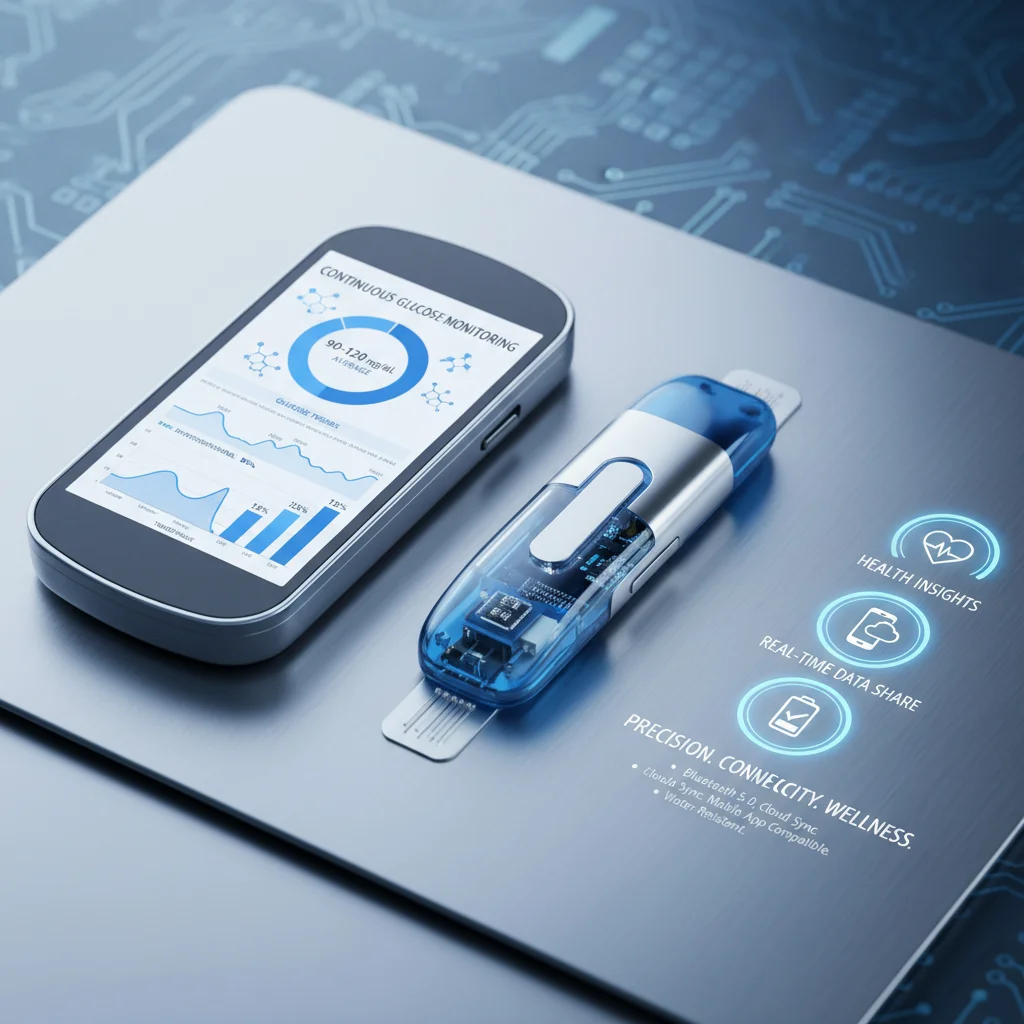
Glucose monitor Products are becoming increasingly vital in modern healthcare, extending beyond clinical settings to empower individuals with self-management tools for conditions like diabetes. The demand for accurate, reliable, and user-friendly glucose monitoring solutions is surging globally, driven by rising prevalence of chronic diseases and a growing focus on preventative healthcare. These products encompass a diverse range, from traditional blood glucose meters to innovative continuous glucose monitoring (CGM) systems and non-invasive technologies, all designed to provide real-time insights into glucose levels.

The global glucose monitor Products market is experiencing significant growth, projected to reach substantial figures in the coming years (estimated at over $15 billion by 2028, according to various market reports). This expansion is fueled by aging populations, lifestyle changes contributing to increased diabetes rates, and advancements in technology that enhance the accuracy and convenience of glucose monitoring. The industry is also seeing a shift towards connected devices and digital health platforms, allowing for seamless data sharing with healthcare providers and personalized treatment plans.

Understanding the advancements in glucose monitor Products is no longer just for medical professionals. It’s crucial for individuals seeking to proactively manage their health, families supporting loved ones with chronic conditions, and healthcare systems aiming to improve patient outcomes and reduce healthcare costs. These innovations play a pivotal role in optimizing treatment strategies and enhancing the quality of life for millions worldwide.
glucose monitor Products

The Significance of glucose monitor Products

glucose monitor Products

The importance of reliable glucose monitoring cannot be overstated, especially considering the global rise in diabetes. Accurate glucose monitor Products enable individuals to understand how their bodies respond to food, exercise, and medication, leading to more informed decisions about their health. Without these tools, managing diabetes effectively becomes significantly more challenging, potentially leading to serious complications.

Beyond diabetes management, glucose monitor Products are also finding applications in sports performance optimization, pregnancy monitoring, and general wellness tracking. The ability to understand glucose fluctuations provides valuable insights into metabolic health and allows individuals to proactively address potential imbalances. This growing demand drives innovation and expansion within the glucose monitor Products sector.

Global Context and Market Dynamics

The global diabetes prevalence is a significant driver for the glucose monitor Products market. According to the International Diabetes Federation, approximately 537 million adults (20-79 years) were living with diabetes worldwide in 2021, and this number is projected to rise to 783 million by 2045. This alarming statistic underscores the critical need for effective diabetes management tools, including reliable glucose monitoring devices.

The market is characterized by intense competition between established players and emerging startups, each striving to innovate and offer more advanced solutions. Factors influencing market dynamics include technological advancements (such as CGM and non-invasive monitoring), regulatory approvals, reimbursement policies, and consumer preferences. Regional variations in healthcare infrastructure and access to care also impact market growth.

The COVID-19 pandemic further highlighted the importance of remote monitoring and self-management tools, accelerating the adoption of connected glucose monitor Products and telehealth solutions. This trend is expected to continue, driving further innovation and market expansion.

Defining Glucose Monitor Products

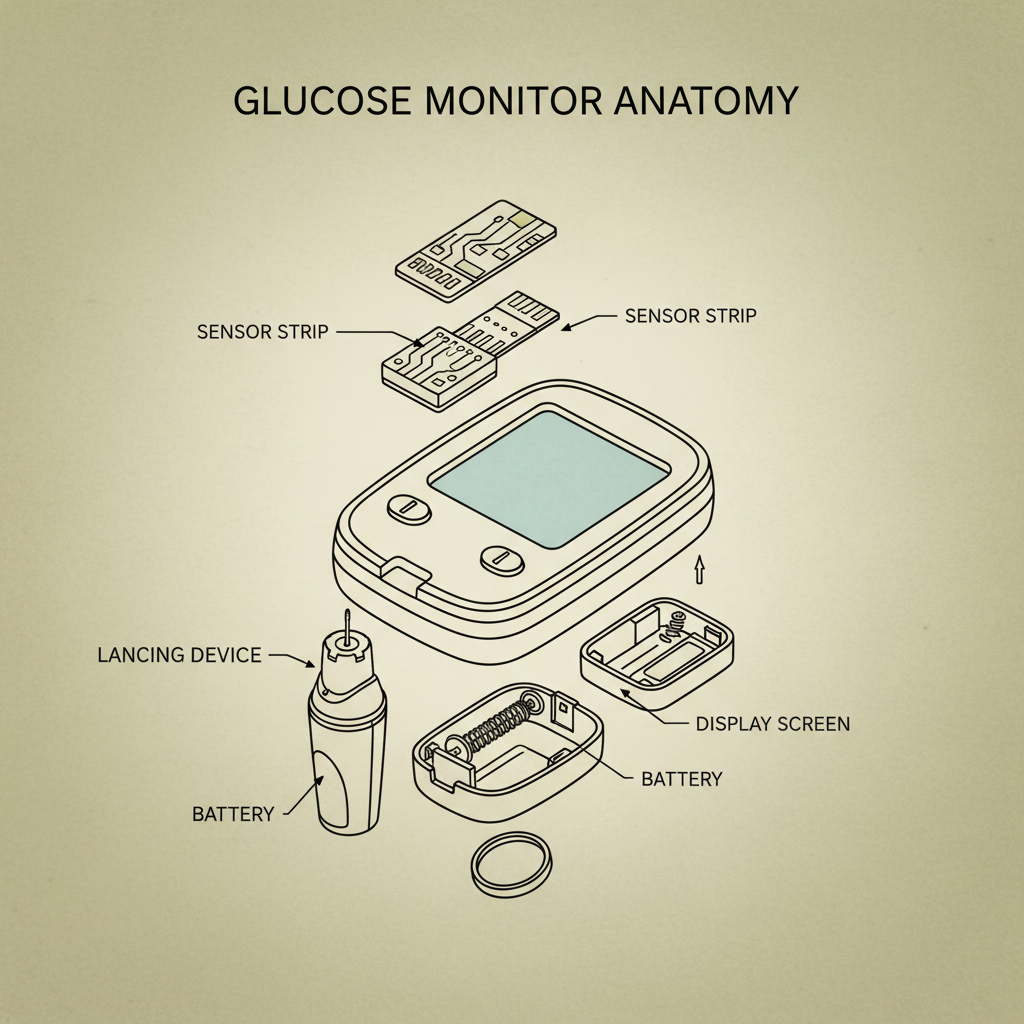
Glucose monitor Products encompass a range of devices and systems designed to measure glucose levels in bodily fluids, typically blood. The most common type is the blood glucose meter (BGM), which requires a small blood sample obtained via finger prick. These meters provide a snapshot of glucose levels at a specific point in time.

More advanced glucose monitor Products include continuous glucose monitoring (CGM) systems. These devices use a small sensor inserted under the skin to measure glucose levels continuously throughout the day and night. CGM systems provide real-time data, trend arrows indicating the direction and rate of glucose change, and alerts for high or low glucose levels.

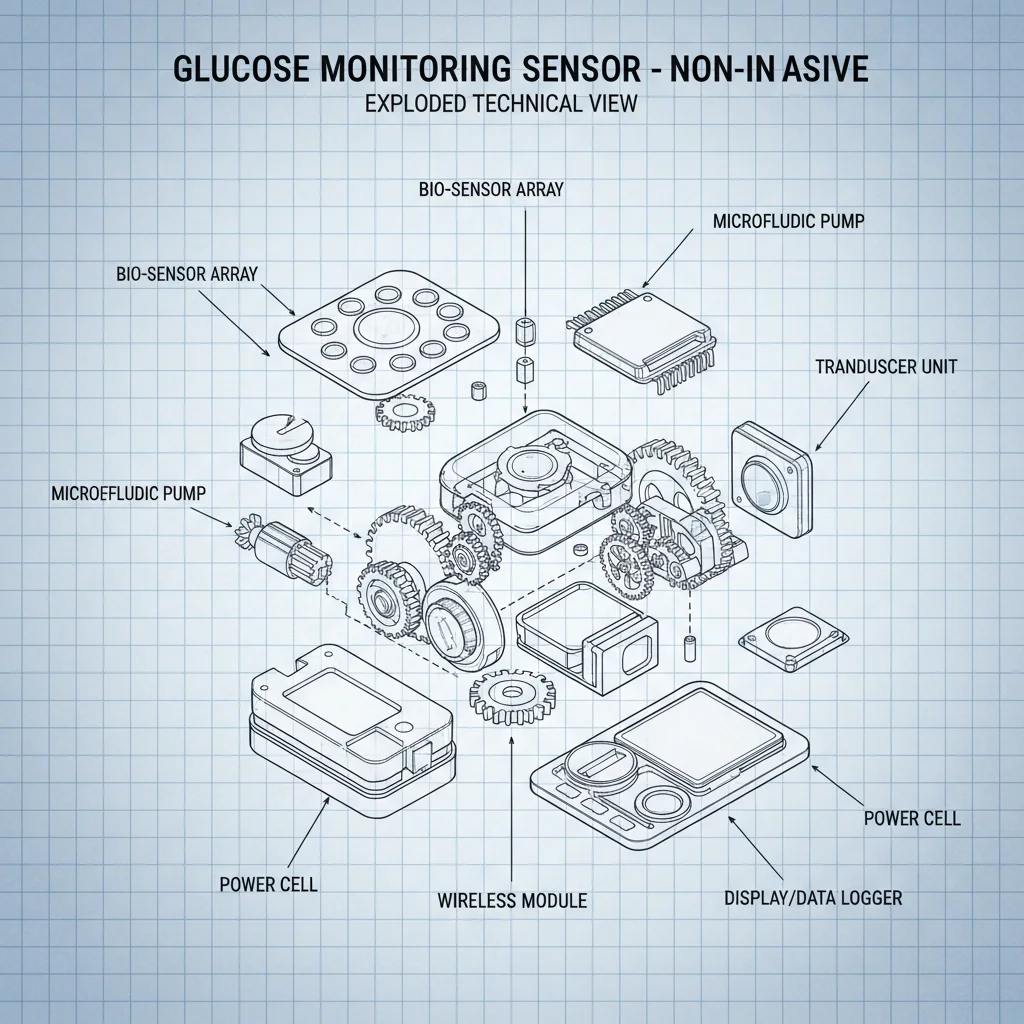
Emerging technologies also include non-invasive glucose monitoring devices, which aim to measure glucose levels without requiring a blood sample. While still under development, these technologies hold the potential to revolutionize glucose monitoring by eliminating the pain and inconvenience associated with traditional methods.

Key Features and Core Components

Several key features contribute to the effectiveness of glucose monitor Products. Accuracy is paramount, ensuring reliable readings for informed decision-making. Ease of use is also crucial, especially for elderly or visually impaired individuals. Devices should be simple to operate and interpret.

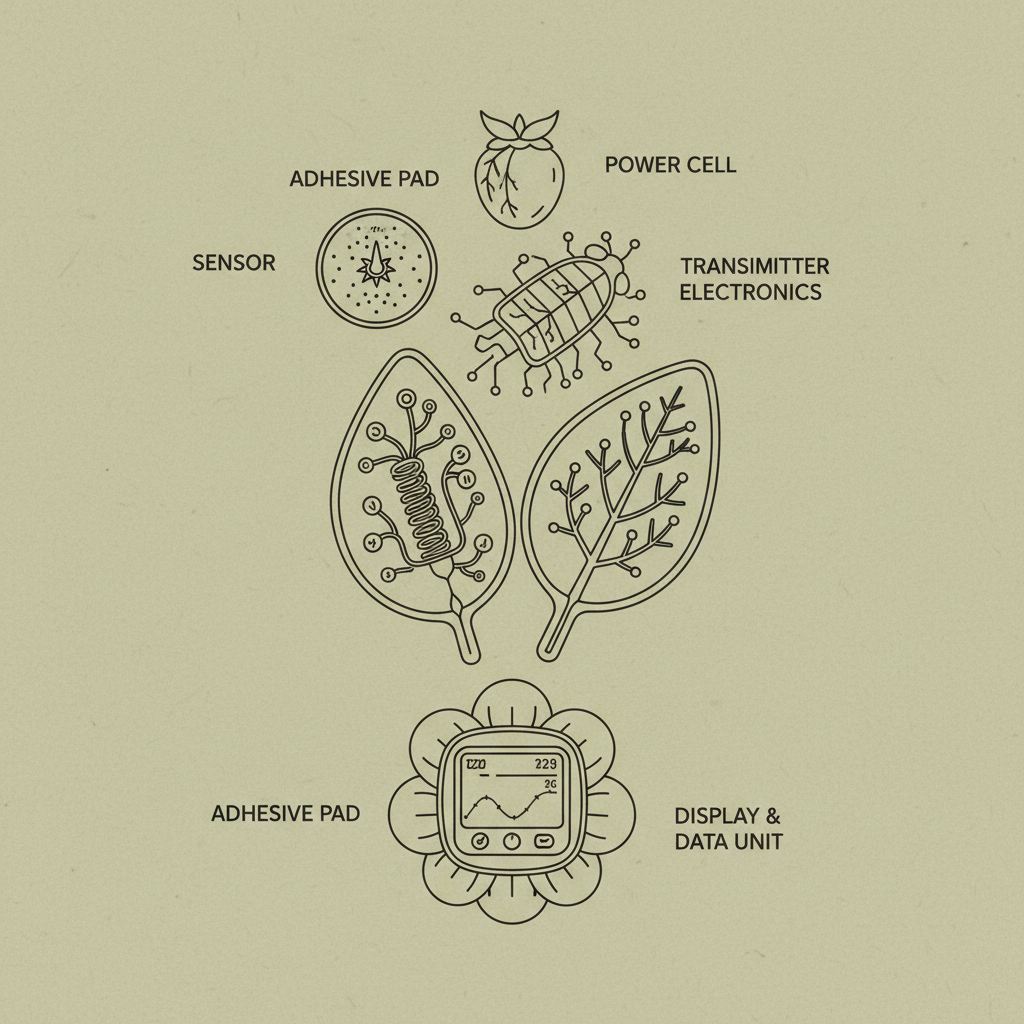
Core components include the glucose sensor, the meter or receiver, and data management software. The sensor is responsible for detecting glucose levels, while the meter or receiver displays the readings and stores data. Data management software allows users to track their glucose trends, share data with healthcare providers, and generate reports.

Glucose Monitor Products Feature Comparison

Applications Across the Globe

Glucose monitor Products are essential tools in healthcare systems worldwide. In developed countries, they are widely used in hospitals, clinics, and home settings for diabetes management and other health conditions. In developing countries, access to glucose monitor Products may be limited, but they are increasingly being used in community health programs and mobile clinics to reach underserved populations.

In post-disaster relief operations, glucose monitor Products are critical for managing diabetes among displaced populations. Similarly, in remote industrial zones where access to healthcare is limited, these devices allow workers to monitor their glucose levels and prevent complications. Telehealth platforms are further expanding access to glucose monitoring services, particularly in rural and remote areas.

Advantages and Long-Term Benefits

The advantages of using accurate glucose monitor Products are numerous. They empower individuals to take control of their health, improve glycemic control, and reduce the risk of long-term complications associated with diabetes. From a cost perspective, proactive glucose management can reduce the need for expensive hospitalizations and emergency room visits.

The long-term benefits extend beyond physical health. Improved glucose control can enhance quality of life, increase energy levels, and promote mental well-being. The innovative advancements in glucose monitor Products foster trust and confidence in self-management strategies, ultimately leading to a more sustainable and healthier lifestyle.

Future Trends and Innovations

The future of glucose monitor Products is focused on several key trends. Non-invasive glucose monitoring technologies are expected to become more refined and commercially available, offering a pain-free alternative to traditional methods. Artificial intelligence (AI) and machine learning are being integrated into glucose monitoring systems to provide personalized insights and predictive alerts.

Connectivity and data integration are also driving innovation. Glucose monitor Products are increasingly being connected to smartphones and cloud-based platforms, allowing for seamless data sharing with healthcare providers and integration with other health apps. This digital transformation is paving the way for more proactive and personalized diabetes care.

Sustainability and eco-friendly materials are gaining importance as manufacturers strive to reduce the environmental impact of glucose monitor Products. The development of biodegradable sensors and recyclable packaging are key areas of focus.

Core Component Analysis of Glucose Monitor Products

Component Name Functionality Reliability Score (1-10) Cost Impact (Low/Medium/High)
Glucose Sensor Detects glucose concentration in sample 9 Medium
Meter/Receiver Displays glucose readings and stores data 8 Medium
Microchip Processes sensor data and transmits to display 7 Low
Battery Provides power for operation 6 Low
Data Management Software Analyzes glucose trends and generates reports 8 Medium
Connectivity Module (Bluetooth/Wi-Fi) Enables data transfer to smartphones/cloud 7 Medium

FAQS

What is the difference between a blood glucose meter and a continuous glucose monitor (CGM)?

A blood glucose meter (BGM) requires a finger prick to obtain a blood sample and provides a snapshot of glucose levels at a single point in time. A CGM uses a small sensor inserted under the skin to continuously monitor glucose levels throughout the day and night, providing real-time data, trend arrows, and alerts for high or low glucose levels. CGMs offer a more comprehensive view of glucose fluctuations.

How accurate are glucose monitor Products?

The accuracy of glucose monitor Products varies depending on the device and the testing conditions. Most modern glucose meters and CGMs meet ISO 15197 standards, ensuring a high level of accuracy. However, factors such as temperature, humidity, and proper testing technique can affect results. It’s important to follow the manufacturer's instructions carefully.

Are glucose monitor Products covered by insurance?

Insurance coverage for glucose monitor Products varies depending on your insurance plan and location. Generally, BGMs and test strips are covered, but the level of coverage may depend on whether the device is prescribed by a healthcare professional. CGM systems typically require prior authorization and may have specific coverage criteria.

How often should I calibrate my CGM?

Calibration requirements for CGMs vary depending on the specific device. Some CGMs require daily calibration using a finger prick blood glucose meter reading, while others are factory calibrated and do not require routine calibration. Always follow the manufacturer's instructions for calibration to ensure accurate readings.

What are the common errors in glucose monitoring and how to avoid them?

Common errors include improper testing technique (insufficient blood sample, contaminated test strip), expired test strips, and inaccurate calibration. To avoid these errors, ensure you have adequate lighting, wash your hands thoroughly before testing, use fresh test strips, and follow the manufacturer's calibration instructions.

Can glucose monitor Products be used by people without diabetes?

While primarily used by individuals with diabetes, glucose monitor Products can also be used by athletes to optimize performance, individuals following specific diets, and those interested in tracking their metabolic health. However, it’s important to interpret the results in consultation with a healthcare professional.

Conclusion

In conclusion, glucose monitor Products have revolutionized the management of diabetes and are increasingly being used for broader health and wellness applications. From traditional blood glucose meters to advanced continuous glucose monitoring systems, these devices empower individuals to take control of their health, improve glycemic control, and reduce the risk of long-term complications. The ongoing innovation in this field promises even more convenient, accurate, and personalized solutions in the future.

As technology continues to advance, we can expect to see even more sophisticated glucose monitor Products emerge, incorporating AI, machine learning, and non-invasive sensing technologies. Investing in research and development, ensuring equitable access to these vital tools, and promoting education about glucose monitoring are crucial steps towards a healthier future for individuals and communities worldwide. For more information on the latest advancements in glucose monitoring technology, visit our website: https://www.xmylcgm.com.
Ethan Turner

Ethan Turner

Ethan is the Marketing Director at Cangzhou Jiujiang, focusing on expanding the brand's presence in North America. With over a decade of experience in outdoor apparel marketing, Ethan leverages his knowledge to promote the company’s PU rainwear, emphasizing its BSCI and GRS certifications.

Next Continuous Glucose Monitor Device Products Revolution

If you are interested in our products, you can choose to leave your information here, and we will be in touch with you shortly.