


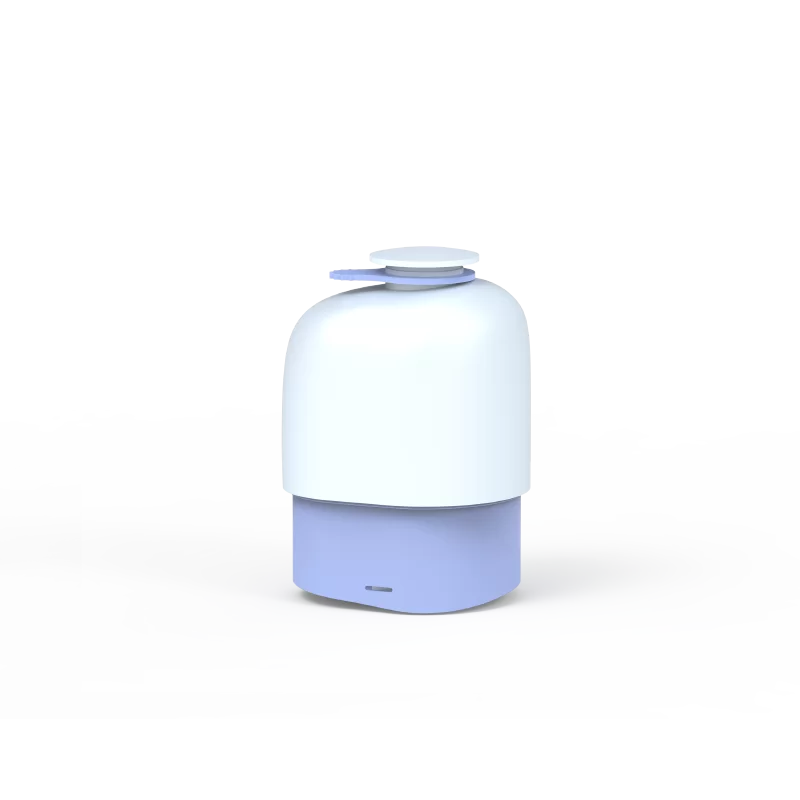
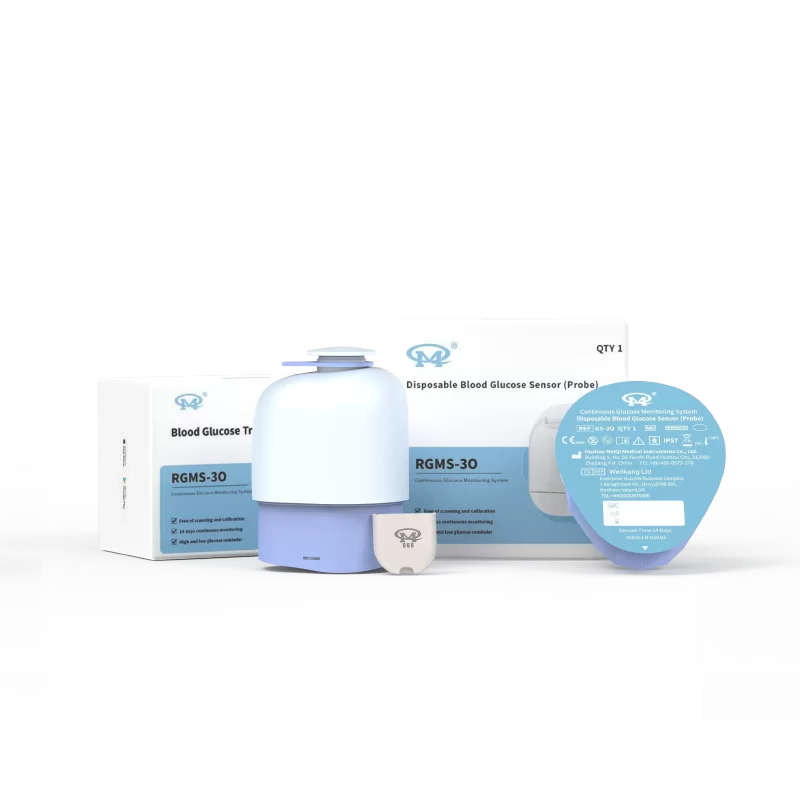
In Uruguay, the healthcare system is characterized by a strong public health framework, yet the rising prevalence of Type 2 diabetes in urban centers like Montevideo has strained traditional testing methods. The transition toward a continuous glucose monitor is becoming essential to reduce the burden on clinical facilities and empower patients with self-management tools.
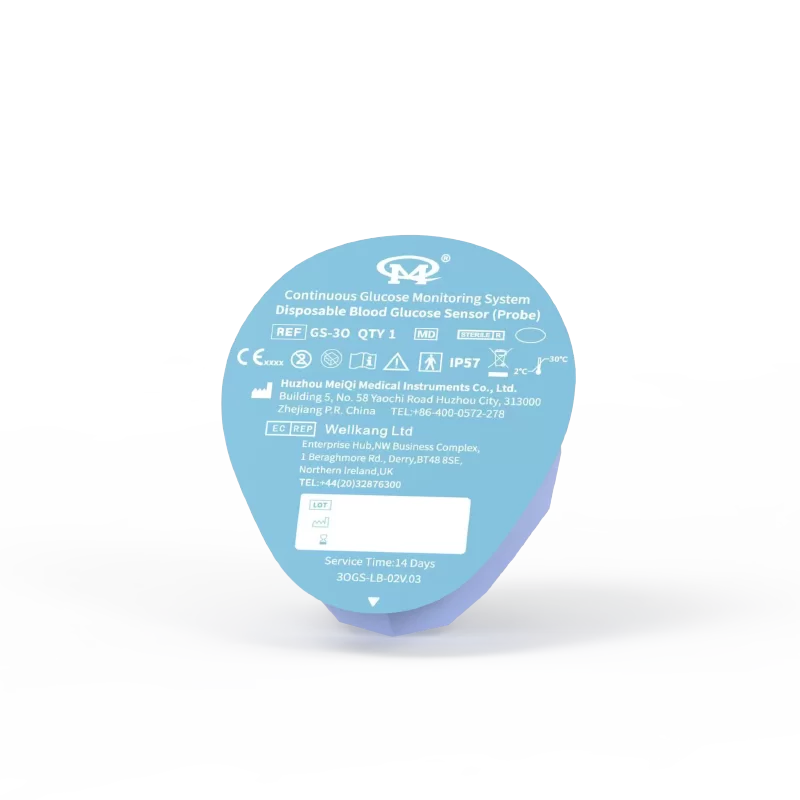
The local climatic conditions, characterized by high humidity and moderate temperatures, demand medical devices with superior adhesive durability. This is where the high-performance glucose monitor patch becomes critical, ensuring that sensors remain securely attached to the skin despite the active lifestyle of the local population.
Economically, Uruguay's push toward "Digital Health" initiatives has created a fertile ground for the adoption of a non invasive glucose monitor, as providers seek to minimize the pain and risk of infection associated with traditional finger-prick methods, aligning with global trends in patient-centric care.


