
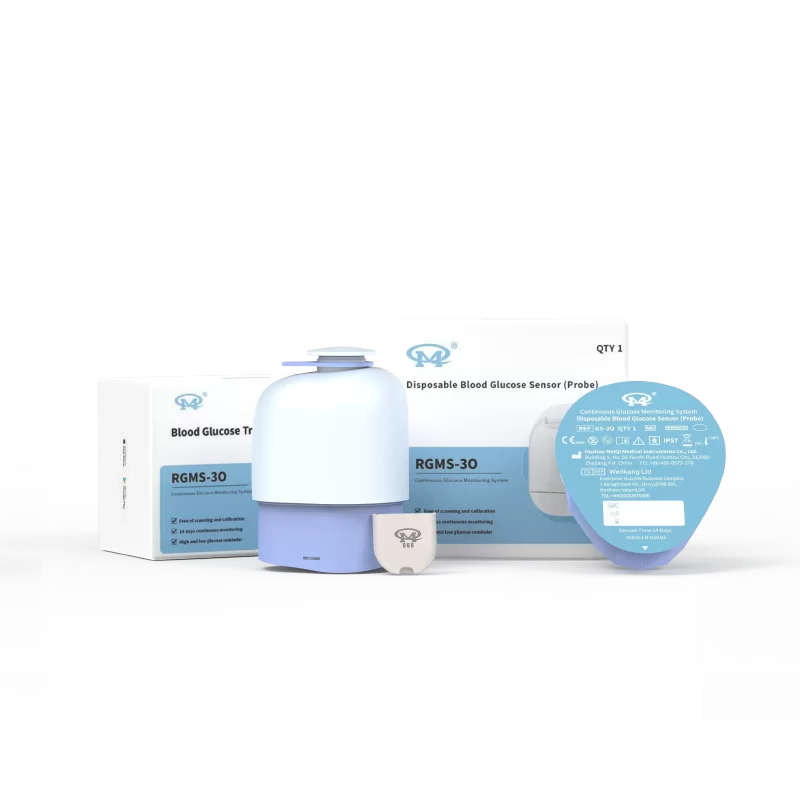
Advanced Diabetes Care with cgm glucose monitoring system in Netherlands

Advanced Diabetes Care with cgm glucose monitoring system in Netherlands

Download PDF
Contact Us

Advanced Diabetes Care with cgm glucose monitoring system in Netherlands

Empowering the Dutch healthcare landscape with precision, real-time metabolic insights, and non-invasive monitoring technologies for a healthier tomorrow.

Advanced Diabetes Care with cgm glucose monitoring system in Netherlands

Our comprehensive diagnostic solutions integrate high-precision sensing with seamless data synchronization to redefine how patients in the Netherlands manage glucose levels.

The Current Landscape of Glucose Monitoring in the Netherlands

Analyzing the integration of digital health and precision medicine in the Dutch market.

The Netherlands is currently witnessing a rapid shift toward digitized chronic disease management. With a strong emphasis on primary care and an aging population, the demand for a continous glucose monitor has surged, moving away from intermittent finger-stick testing toward real-time data streams that integrate with national health records.

Given the Dutch climate and the active lifestyle of the population—characterized by extensive cycling and outdoor activity—there is a specific market preference for a durable and discreet glucose monitor patch. Patients require devices that are water-resistant and adhesive-stable to maintain monitoring consistency during physical exertion.

Furthermore, the Dutch healthcare system's move toward "Value-Based Healthcare" is driving the adoption of a non invasive glucose monitor to reduce the long-term cost of complications and improve the quality of life by eliminating the pain and psychological burden of traditional sampling.

Evolution and Trajectory of Glucose Monitoring Technology

From manual sampling to autonomous, AI-driven metabolic tracking.

Market Development History

From 2000 to 2010, the Dutch market relied heavily on BGM (Blood Glucose Monitoring), where patients performed multiple daily pricks. This era was defined by reactive care, where treatment was based on a single point in time, often missing nocturnal hypoglycemia.

Between 2011 and 2020, the introduction of the first-generation continuous glucose monitor revolutionized the industry. The focus shifted to "Time-in-Range" (TIR) metrics, allowing Dutch endocrinologists to see the glycemic trends rather than just snapshots.

Since 2021, the market has entered the era of "Smart Sensing." The integration of Bluetooth Low Energy (BLE) and cloud computing has turned the monitoring system into a predictive tool, enabling proactive insulin adjustments before glucose levels reach critical thresholds.

Future Development Trends

AI-Driven Predictive Analytics

Future systems will utilize machine learning to predict glucose fluctuations 30-60 minutes in advance based on Dutch dietary patterns and physical activity levels.

Fully Non-Invasive Optical Sensing

The industry is moving toward Raman spectroscopy and interstitial fluid sensing to eliminate the need for any skin penetration, perfecting the non invasive glucose monitor.

Closed-Loop "Artificial Pancreas" Integration

Integration with automated insulin pumps will create a fully autonomous loop, reducing the cognitive load on the patient and optimizing metabolic health automatically.

Industry Trends and Future Outlook

Strategic projections for the next 3-5 years in the diagnostic device sector.

Miniaturization of Sensors
Reducing the footprint of the glucose monitor patch to make it virtually imperceptible to the wearer.
Interoperability Standards
Implementing open API standards for a continuous glucose monitor to sync with various health apps.
Multi-Analyte Sensing
Expanding beyond glucose to measure ketones and lactate within a single monitoring system.
Sustainability in Design
Developing biodegradable materials for disposable sensor patches to align with Dutch environmental goals.

Industry Outlook

Based on current search trends in Western Europe, there is a significant spike in queries regarding "pain-free glucose monitoring." This indicates that the psychological barrier of needle-insertion is the primary driver for the adoption of the non invasive glucose monitor.

We expect that by 2027, the integration of CGM data into telehealth platforms will become the standard of care in the Netherlands, enabling doctors to provide remote, real-time adjustments to medication, thereby reducing hospital readmission rates for diabetic ketoacidosis.

Localized Application Scenarios in the Netherlands

How our monitoring systems fit into the unique Dutch lifestyle and clinical environment.

01. Active Commuting & Cycling

For the millions of Dutch citizens who cycle daily, our water-resistant glucose monitor patch ensures that monitoring remains uninterrupted by rain or perspiration during the commute to Amsterdam or Utrecht.

02. Integrated Primary Care (Huisarts)

Seamlessly exporting data from a cgm glucose monitoring system directly to the local GP (Huisarts) allows for rapid intervention and personalized dietary plans without frequent office visits.

03. Pediatric Care in Dutch Schools

The use of a continuous glucose monitor allows school nurses and parents to remotely monitor children's levels via smartphone, ensuring safety during school hours without disrupting the child's social interaction.

04. Elderly Care in Nursing Homes

In the Netherlands' advanced elderly care facilities, a non invasive glucose monitor helps staff manage glucose levels for patients with dementia who may be resistant to traditional needle-based testing.

05. Professional Sports & Metabolic Optimization

Dutch athletes are utilizing CGM technology to optimize fuel intake and prevent "bonking" during endurance events, using the real-time data to fine-tune carbohydrate loading.

Brand Story

Global Development Journey of Huzhou Xinmei Medical Equipment Co., Ltd.

The Foundation of Precision

Founded with a mission to bridge the gap between complex clinical diagnostics and home-based care, we began by mastering high-precision sensor fabrication.

Technological Breakthrough

We invested heavily in R&D to transition from traditional electrochemical sensors to advanced continuous monitoring, reducing the margin of error to industry-leading levels.

Global Quality Certification

By adhering to strict ISO and international medical device standards, we expanded our footprint into Europe, ensuring our devices meet the rigorous safety requirements of the EU.

Patient-Centric Innovation

We shifted our focus toward the user experience, developing a variety of patches and non-invasive options to eliminate the pain associated with diabetes management.

Vision for the Future

Today, we strive to create a world where glucose monitoring is invisible and effortless, empowering every patient to live a life free from the constraints of their condition.

Complete Glucose Monitoring Portfolio for the Netherlands

Comprehensive solutions tailored to the Dutch healthcare standards and patient lifestyles.

Common Questions Regarding Glucose Monitoring in the Netherlands

Expert answers to the most frequent queries from Dutch patients and healthcare providers.

Is the glucose monitor patch suitable for the rainy Dutch weather?

Yes, our patches are designed with medical-grade waterproof adhesives that ensure the sensor remains secure even during cycling in the rain or during showers, which is critical for the Netherlands' climate.

How does a continous glucose monitor differ from a traditional finger-prick test?

While finger-pricks provide a single point of data, a continuous system tracks glucose trends every few minutes, allowing you to see if your levels are rising or falling in real-time.

Are non invasive glucose monitor options as accurate as invasive ones?

Modern non-invasive technologies are rapidly closing the accuracy gap. While they may vary slightly for clinical calibration, they are excellent for trend monitoring and reducing the need for painful pricks.

Can my cgm glucose monitoring system sync with my Dutch health app?

Yes, our systems are designed for high interoperability and can export data to most standard health platforms used by GPs in the Netherlands.

How often do I need to replace the sensor in a continuous glucose monitor?

Depending on the model, sensors typically last between 10 to 14 days, providing a seamless monitoring experience with minimal interruption.

What should I do if the patch becomes loose during physical activity?

We recommend using our medical-grade over-patches for extra security during intense sports or swimming to ensure the sensor remains perfectly adhered to the skin.

Ready to Elevate Your Diabetes Care?

Connect with our experts to bring the latest in glucose monitoring technology to your clinic or home in the Netherlands.

Contact Us Now

If you are interested in our products, you can choose to leave your information here, and we will be in touch with you shortly.