

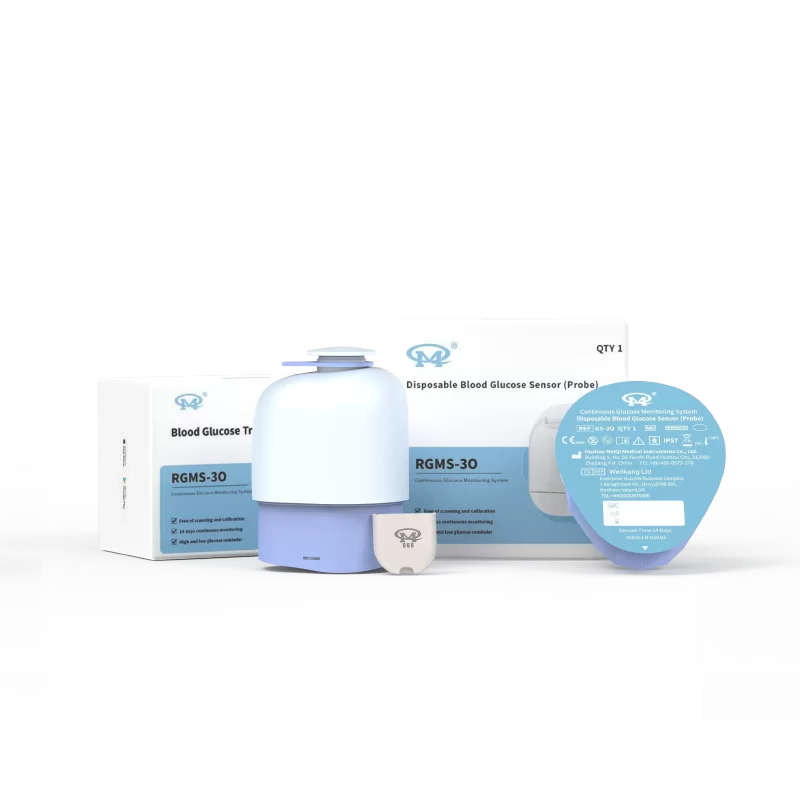
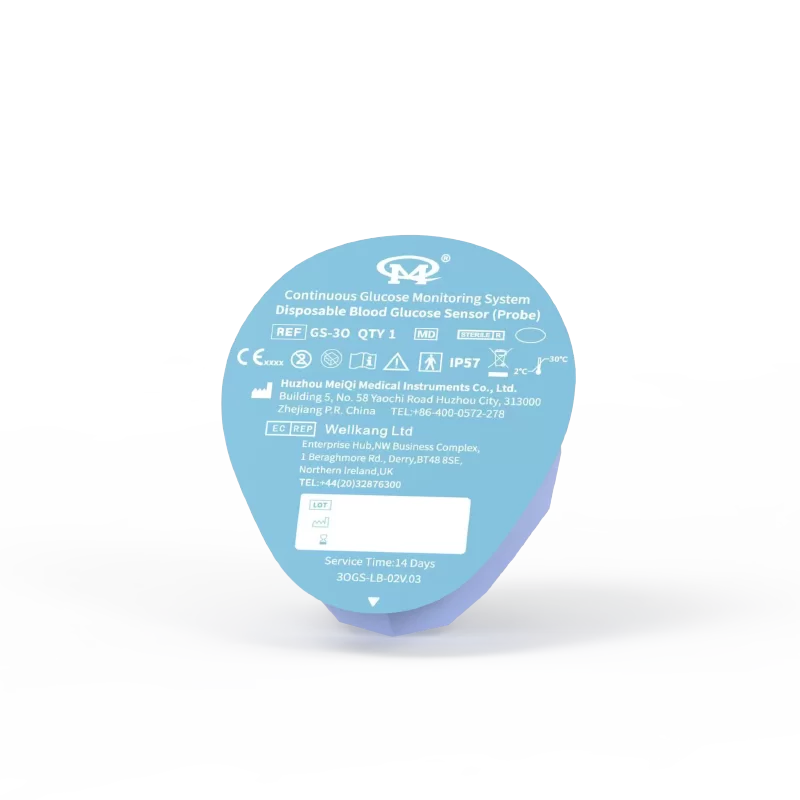
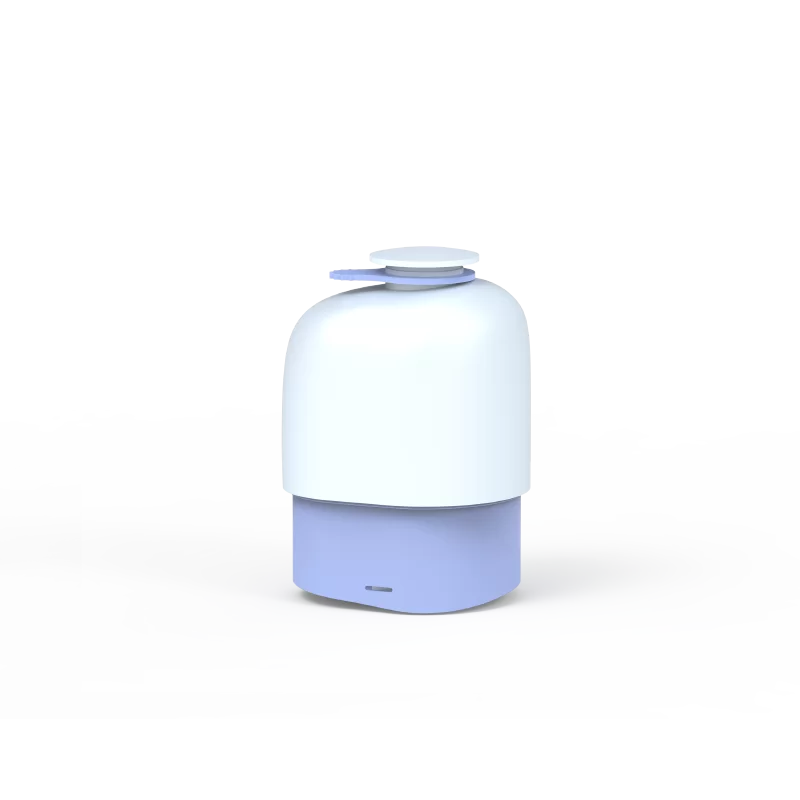
Advanced cgm glucose monitoring system Solutions for Romania

Advanced cgm glucose monitoring system Solutions for Romania

Download PDF
Contact Us

Advanced cgm glucose monitoring system Solutions for Romania

Empowering Romanian healthcare providers and patients with next-generation metabolic tracking technology for precision diabetes management.

Advanced cgm glucose monitoring system Solutions for Romania

Integrating medical-grade precision with seamless wearable connectivity to revolutionize how glucose levels are monitored across Romanian clinics and homes.

The Landscape of Glucose Monitoring in Romania

Analyzing the adoption of digital health tools within the Romanian medical infrastructure.

In Romania, the prevalence of diabetes has seen a steady increase, putting pressure on the national healthcare system. The transition toward a continuous glucose monitor is becoming essential as clinicians move away from sporadic finger-stick tests toward real-time data streams to prevent acute hypoglycemic events.

Economic shifts in Eastern Europe have led to a higher demand for cost-effective yet high-precision devices. The Romanian market is currently balancing the integration of EU-standard medical devices with the need for accessible technology, making the glucose monitor patch an attractive option for widespread patient adoption.

Furthermore, the diverse climate of Romania—from the humid Danube Delta to the cold Carpathian Mountains—requires medical wearables that are durable and weather-resistant, ensuring that sensor adhesion and signal stability remain consistent regardless of external environmental stressors.

Evolution and Trajectory of CGM Technology

From invasive measurements to the era of seamless, non-invasive monitoring.

Market Development History

Between 2000 and 2010, the Romanian market relied heavily on traditional glucometers. The introduction of first-generation continous glucose monitor systems began around 2012, though these were largely restricted to specialized endocrinology centers in Bucharest and Cluj-Napoca.

From 2015 to 2020, we witnessed the "Wearable Shift." The technology evolved toward miniaturization, introducing the concept of the patch-based sensor, which significantly reduced patient discomfort and increased the frequency of monitoring from 4 times a day to every 5 minutes.

Entering the 2020s, the focus shifted toward data integration. The emergence of the non invasive glucose monitor concept began gaining traction, aiming to eliminate the interstitial needle entirely through optical or electromagnetic sensing.

Future Development Trends

AI-Driven Predictive Analytics

Integration of machine learning to predict glucose swings 30 minutes before they occur, allowing Romanian patients to take preemptive action.

Full Non-Invasive Integration

The movement toward sensors that require zero skin penetration, utilizing advanced spectroscopy to measure blood glucose through the dermis.

Closed-Loop Ecosystems

The synchronization of monitors with automated insulin delivery systems, creating an "artificial pancreas" to automate glycemic control.

Industry Trends and Future Outlook

Mapping the technological roadmap for medical diagnostics in the EU market.

IoMT Convergence
The merging of the Internet of Medical Things (IoMT) with glucose monitoring to provide cloud-based real-time physician alerts.
Biocompatible Materials
Development of hypoallergenic adhesives and nano-coatings to prevent skin irritation during long-term patch wear.
Edge Computing
Processing glucose data locally on the device to reduce latency and enhance privacy for Romanian users.
Regulatory Harmonization
Aligning product certifications with the latest MDR (Medical Device Regulation) for faster entry into the Romanian market.

Industry Outlook

Google search trends indicate a surge in queries regarding "painless glucose monitoring" in Romania, suggesting a pivot toward consumer-centric medical design. This indicates that the next 3-5 years will be dominated by devices that prioritize the user experience without compromising clinical accuracy.

We expect a shift from "monitoring" to "management," where the device doesn't just report numbers but provides actionable dietary and insulin advice tailored to the Mediterranean-influenced diet common in Southern Romania.

Localized Application Scenarios in Romania

Real-world implementations of glucose monitoring technology across various Romanian demographics.

01. Urban Clinic Integration in Bucharest

Implementation of remote monitoring systems in Bucharest's private clinics, allowing doctors to track patients' continuous glucose monitor data in real-time via secure dashboards.

02. Pediatric Care in Regional Hospitals

Using the discreet glucose monitor patch for children in Transylvanian schools, reducing the social stigma and pain of frequent finger-pricking during classes.

03. Rural Health Outreach Programs

Deploying simplified CGM systems in rural villages where access to endocrinologists is limited, enabling patients to self-manage via mobile apps.

04. Elderly Home Care in Moldova Region

Integrating monitors with caregiver alerts to ensure the safety of elderly patients who may be prone to undetected nocturnal hypoglycemia.

05. Sports Medicine for Romanian Athletes

Utilizing non invasive glucose monitor prototypes to optimize glucose levels for professional athletes during high-intensity training in the Carpathian mountains.

Brand Story

Global Development Journey of Huzhou Xinmei Medical Equipment Co., Ltd.

Founding Vision

Established with the mission to solve the pain and inaccuracy of traditional glucose testing, focusing on high-precision sensor development.

R&D Breakthrough

Developed proprietary enzyme-coating technology that extended the lifespan and accuracy of interstitial sensors.

European Expansion

Entering the EU market by achieving CE certification and establishing strategic partnerships with distributors in Romania and surrounding regions.

Digital Transformation

Launched an integrated cloud platform that connects wearable sensors to a global network of healthcare providers.

Future Commitment

Dedicated to pioneering the next generation of non-invasive monitoring to eliminate needles from diabetes care globally.

Frequently Asked Questions in Romania

Expert answers to common queries regarding CGM adoption and usage.

How accurate is a glucose monitor patch compared to finger-stick tests?

Our patches use medical-grade enzymes that measure interstitial fluid, offering high correlation with blood glucose and providing trend data that single tests cannot.

Is the continuous glucose monitor compatible with Romanian health insurance?

Compatibility varies by provider; however, our devices meet the EU medical standards required for reimbursement applications in most Romanian districts.

Can a non invasive glucose monitor be used during exercise in the Carpathian climate?

Yes, our designs include temperature compensation algorithms to ensure accuracy even in the cold and humid conditions of the Romanian mountains.

How long does a typical cgm glucose monitoring system sensor last?

Depending on the model, our sensors typically last from 10 to 14 days, providing continuous data without the need for daily replacement.

Do I need a special app for the continous glucose monitor?

Yes, our system connects via Bluetooth to a dedicated mobile app available in Romanian and English for seamless tracking and reporting.

What should I do if the patch detaches during a hot summer in Bucharest?

We provide medical-grade over-patches specifically designed for high-humidity environments to ensure the sensor remains securely attached to the skin.

Get Expert Support in Romania

Our specialists are ready to help you integrate advanced monitoring systems into your clinic or daily routine in Romania.

Contact Us Now

If you are interested in our products, you can choose to leave your information here, and we will be in touch with you shortly.