



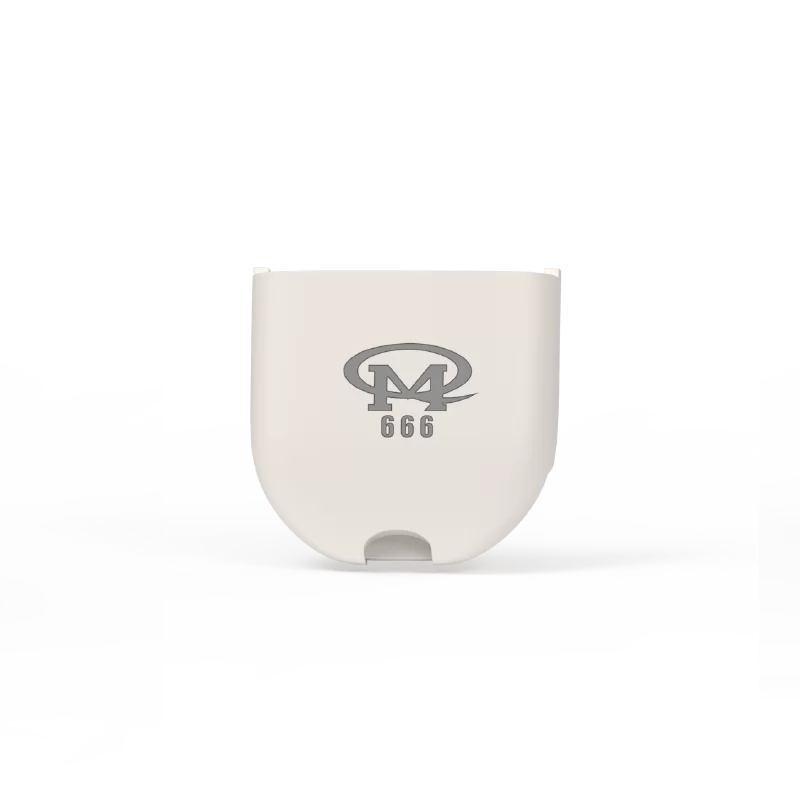
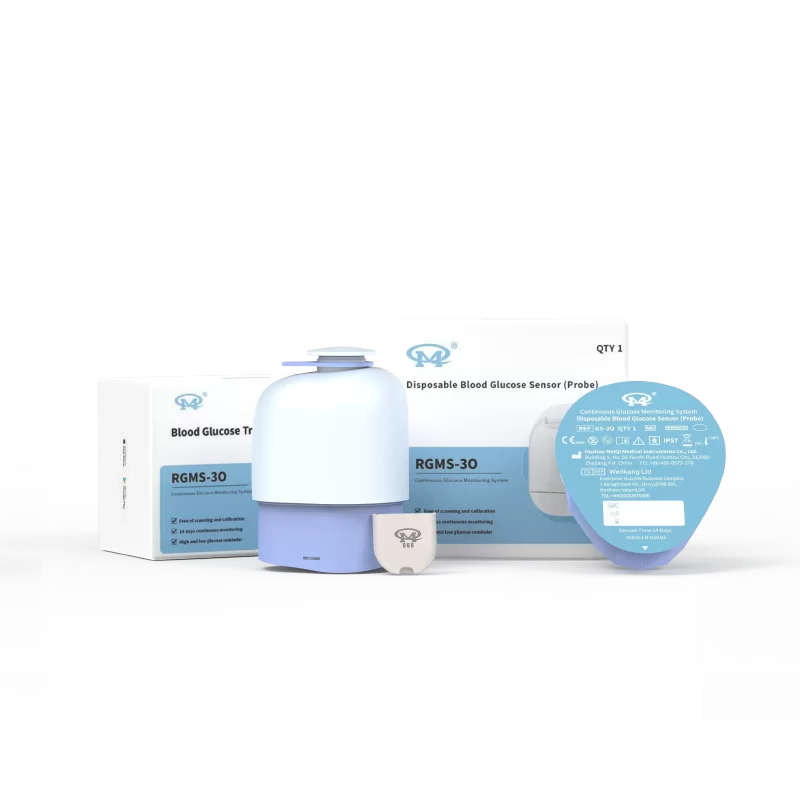
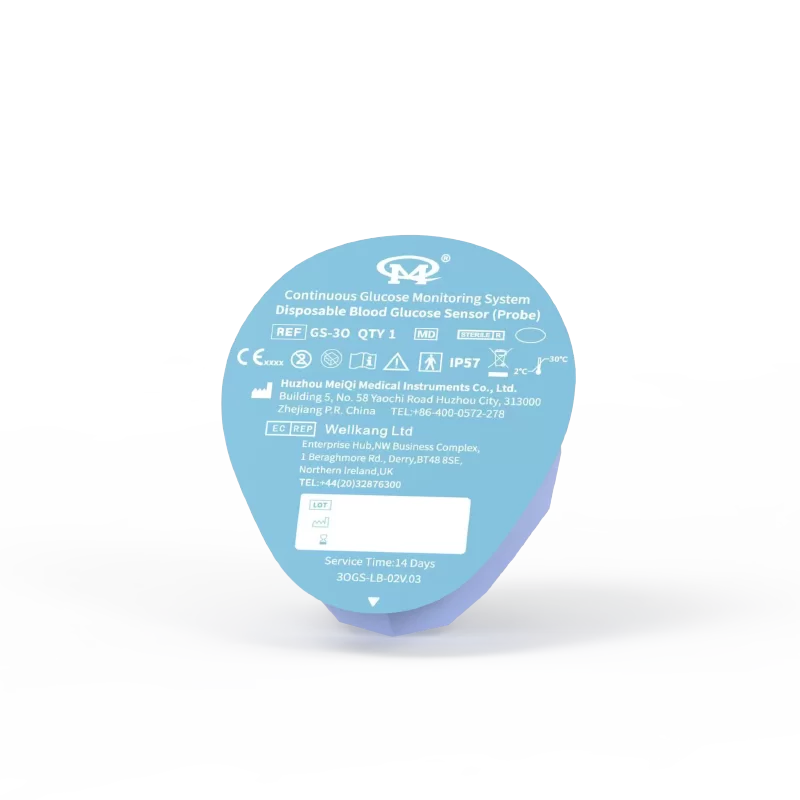
Saudi Arabia faces one of the highest prevalence rates of diabetes globally, exacerbated by rapid urbanization and dietary shifts. The extreme arid climate and high summer temperatures in regions like Riyadh and Jeddah pose significant challenges for the stability of traditional biosensors and the comfort of wearable medical devices, driving the demand for a more robust continuous glucose monitor.
Current medical infrastructure is shifting toward "Vision 2030," prioritizing digital health transformation. There is a critical move away from painful finger-stick methods toward a glucose monitor patch that offers discretion and convenience, aligning with the local preference for non-invasive healthcare interventions.
Economic growth has increased the accessibility of high-end diagnostic tools, yet there remains a significant gap in long-term monitoring. The integration of a non invasive glucose monitor is becoming a priority for Saudi clinics to improve patient compliance and reduce long-term complications of diabetes.


